For decades, airlines treated commercial flying as a simple hierarchy. Economy class delivered affordability, while business and first class catered to travelers willing to pay extraordinary premiums for privacy and comfort. The middle ground barely existed. Then EVA Air changed the industry forever.
When the Taiwan-based carrier introduced Evergreen Deluxe Class in 1992, few observers realized they were witnessing one of the most important cabin innovations in modern aviation history. What began as an experimental product on transpacific Boeing 747 flights quickly evolved into what the world now recognizes as premium economy. More than thirty years later, nearly every major long-haul airline operates some version of the concept EVA Air pioneered.
What makes EVA Air particularly remarkable is not simply that it invented premium economy. The airline has continued refining and redefining the category long after competitors entered the market. While many airlines still position premium economy as little more than economy seating with extra legroom, EVA Air continues treating the cabin as a genuine luxury experience with its own identity, atmosphere, and standards.
In an era where premium leisure travel is booming and passengers increasingly seek comfort without business class pricing, EVA Air’s strategy looks more visionary than ever.
The airline that created premium economy is now shaping its future again.
EVA Air’s Original Premium Economy Revolution Changed Long-Haul Travel
Before EVA Air launched Evergreen Deluxe Class, long-haul flying presented travelers with an uncomfortable dilemma. Economy class cabins were becoming increasingly dense, especially on transpacific routes where airlines competed aggressively on fares. Meanwhile, business and first class remained financially out of reach for many passengers.
EVA Air identified an underserved market years before competitors understood its potential.
The airline recognized that millions of travelers wanted something better than economy without paying business class prices. That insight became the foundation for a completely new cabin category that would eventually transform the global airline industry.
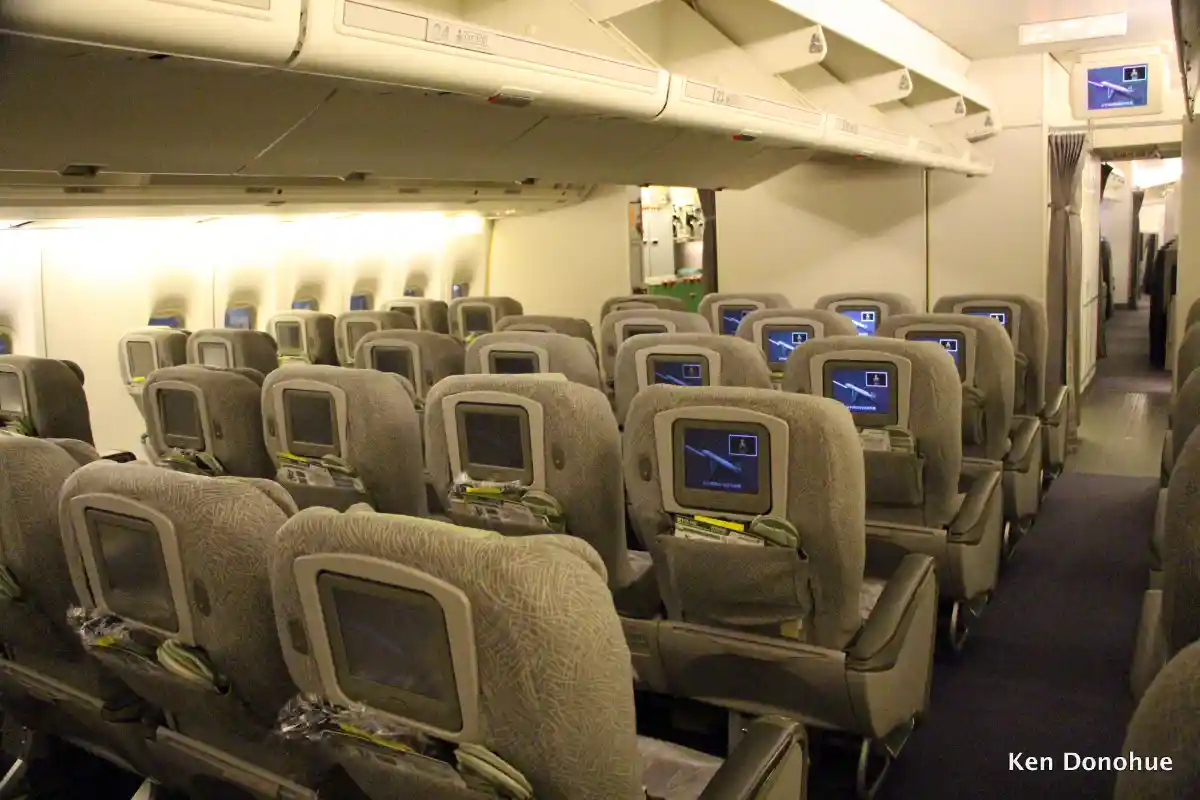
The original Evergreen Deluxe Class debuted aboard Boeing 747-400 aircraft operating between Taipei Taoyuan International Airport and Los Angeles International Airport. Even by today’s standards, the cabin specifications were impressive. EVA Air offered approximately 38 inches of seat pitch in a spacious 2-4-2 configuration, creating a dramatically more comfortable experience than standard economy seating of the era.
At the time, many airlines still relied on shared overhead television screens for inflight entertainment. EVA Air instead introduced personal television screens for every passenger in the cabin, a feature that felt exceptionally advanced during the early 1990s. Wider seats, improved catering, and enhanced service standards reinforced the idea that passengers were receiving a genuinely elevated experience rather than a slightly upgraded economy seat.
Business travelers constrained by corporate travel budgets quickly embraced the concept. Leisure passengers flying ultra-long-haul routes across the Pacific discovered a far more tolerable way to travel without spending thousands on premium cabins.
The response was immediate.
Other airlines soon realized EVA Air had identified one of aviation’s most profitable and scalable opportunities. Within only a few years, carriers around the world began introducing competing products inspired by EVA Air’s original formula.
What started as Evergreen Deluxe Class evolved into one of the defining cabin concepts of modern aviation.
Why Premium Economy Became Essential For Airlines Worldwide
Premium economy did not become successful merely because passengers appreciated extra legroom. The category succeeded because it perfectly aligned with larger structural changes occurring throughout commercial aviation.
During the late 1990s and early 2000s, airlines aggressively increased economy-class seat density to improve profitability. Seat pitch shrank. Cabins became tighter. Long-haul travel grew increasingly exhausting, especially on flights lasting more than ten hours.
Passengers responded by searching for alternatives.
At the same time, business class fares remained prohibitively expensive for many travelers. Companies tightened travel budgets, limiting premium cabin access for employees who previously flew business class regularly. Leisure travelers also became more selective about luxury spending, especially as international tourism expanded rapidly.
Premium economy emerged as the ideal compromise.
EVA Air understood something many competitors initially overlooked. Travelers wanted emotional comfort as much as physical comfort. A premium economy passenger did not simply want additional inches of space. They wanted the feeling of being valued.
That philosophy influenced every aspect of EVA Air’s premium economy experience.
Instead of offering basic economy meals on slightly nicer trays, the airline upgraded tableware presentation, enhanced catering quality, improved cabin ambiance, and invested in better service training. Amenity kits, premium blankets, upgraded headphones, and quieter cabin environments all contributed to a distinctly more refined atmosphere.
The difference became psychological as much as physical.
Passengers boarding EVA Air premium economy felt separated from the chaos and density of standard economy cabins. That sense of exclusivity helped establish premium economy as a legitimate premium product rather than a marginal upsell.
Following the COVID-19 pandemic, the importance of premium economy accelerated even further. Airlines discovered that premium leisure travelers were often willing to spend significantly more for comfort on long-haul flights, even if they avoided the extreme prices associated with business class.
For airlines, the economics were irresistible.
Premium economy generates substantially higher revenue per square foot than economy while consuming far less cabin space than lie-flat business-class suites. In today’s airline industry, premium economy has become one of the most strategically important cabin segments.
And EVA Air entered this competitive environment with more than three decades of experience refining the category it invented.
EVA Air’s Fourth-Generation Premium Economy Pushes Luxury Higher
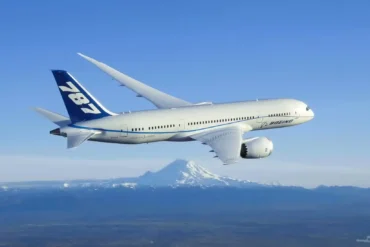
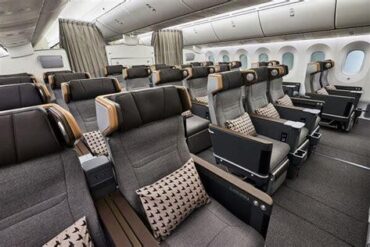
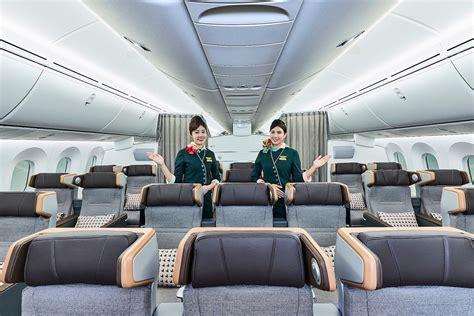
In 2025, EVA Air introduced its fourth-generation premium economy cabin aboard the Boeing 787-9, showcasing how dramatically the category has evolved since its early beginnings.
The new cabin reflects a broader shift occurring across premium aviation. Premium economy is no longer positioned merely as enhanced economy seating. Increasingly, airlines are designing these cabins to resemble business class experiences from previous generations.
EVA Air’s latest product embraces that evolution aggressively.
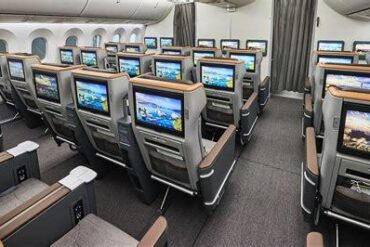
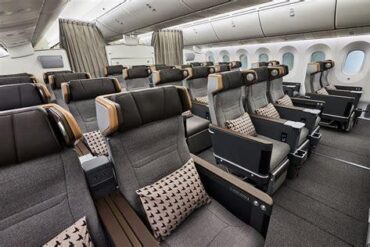
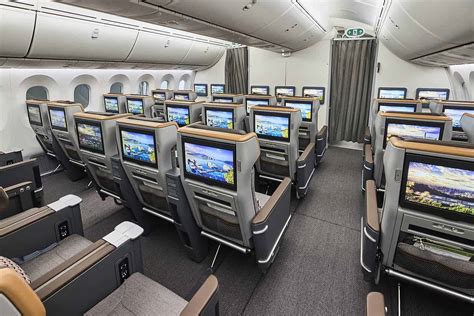
Perhaps the most impressive feature is the industry-leading 42-inch seat pitch. That level of personal space exceeds many competing premium economy cabins and rivals older regional business-class products operated by other airlines.
The 2-3-2 seating configuration aboard the Boeing 787-9 also preserves spaciousness while maintaining operational efficiency. EVA Air selected a cradle-style recline system that allows passengers to recline comfortably without dramatically intruding on the personal space of travelers seated behind them.
Privacy has become another major focus.
Modern premium travelers increasingly value personal space boundaries even when flying outside business class. EVA Air addressed this demand through integrated privacy wings around the headrest area, enhanced side shielding, upgraded storage compartments, and more sophisticated seat finishes.
Leather upholstery, carefully designed lighting, and upgraded cabin textures collectively create an atmosphere that feels significantly more premium than traditional premium economy cabins.
Technology also plays a central role in the redesign.
Each seat features a massive 15.6-inch inflight entertainment display, among the largest screens currently offered in premium economy worldwide. Charging ports, upgraded entertainment controls, and modern connectivity features reflect changing passenger expectations, especially as travelers increasingly work, stream content, and remain digitally connected during long-haul journeys.
The cabin introduction also aligns with EVA Air’s broader fleet modernization strategy. The airline continues expanding its Boeing 787 operations while preparing for future Airbus A350-1000 deliveries later this decade.
Unlike some airlines that retrofit premium economy inconsistently across fleets, EVA Air appears committed to maintaining a coherent long-term premium strategy.
Luxury Service Extends Far Beyond The Seat
Seat dimensions alone no longer define premium aviation. Travelers increasingly evaluate airlines based on the total onboard experience, and EVA Air continues distinguishing itself through carefully refined service details.
One notable example involves the airline’s partnership with British lifestyle brand HUNTER for premium economy amenity kits departing Taipei. While business-class amenity kits are common throughout the industry, premium economy kits remain far less universal, giving EVA Air an important competitive advantage.
The partnership reinforces the airline’s longstanding philosophy that premium economy passengers deserve thoughtful luxury touches rather than minimal enhancements.
The bedding program further strengthens that impression.
Passengers receive upgraded pillows, double-sided blankets, and premium headphones designed to improve comfort during long-haul overnight flights. EVA Air also collaborated with Italian design company Guzzini to elevate onboard dining presentation through upgraded tableware and serving elements.
These details may appear small individually, but collectively they shape passenger perception profoundly.
Modern premium economy travelers are often experienced international flyers who have previously flown business class. Their expectations are far higher than they were twenty years ago. They compare cabin ambiance, catering quality, service attentiveness, and sleep comfort against broader luxury travel experiences.
EVA Air seems acutely aware of this reality.
The airline has also integrated sustainability into its premium service philosophy through environmentally conscious materials, including bamboo-fiber napkins and eco-friendly service products. This approach allows the carrier to modernize its brand image while aligning with growing passenger interest in responsible luxury travel.
Catering remains another major strength.
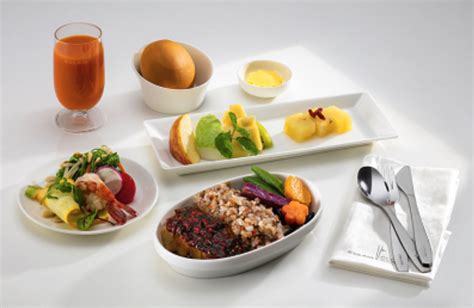
EVA Air consistently earns praise for premium economy meal quality, particularly on long-haul Asian and transpacific services. Rather than treating meals as simplified economy catering, the airline focuses on presentation, flavor balance, and elevated dining standards that reinforce the premium positioning of the cabin.
For many travelers, those soft-product elements create the emotional difference between simply enduring a long-haul flight and genuinely enjoying it.
Competition Is Intensifying Across Global Premium Economy Markets
EVA Air may have invented premium economy, but it no longer dominates the segment uncontested.
Airlines worldwide now aggressively compete for premium travelers, especially as premium economy becomes one of the industry’s most lucrative cabin categories. Carriers such as Singapore Airlines, Emirates, Virgin Atlantic, Qantas, Air New Zealand, and Japan Airlines have invested heavily in increasingly sophisticated premium economy products.
Some newer cabins rival business-class products from only a decade ago.
Wide seats, expanded recline, upgraded dining, premium bedding, and advanced entertainment systems are becoming standard expectations rather than rare luxuries. As competition intensifies, maintaining differentiation becomes increasingly difficult.
Yet EVA Air continues holding a unique advantage: authenticity.
Unlike airlines that added premium economy reactively after observing market trends, EVA Air built its identity around the category from the beginning. The airline’s approach feels cohesive because premium economy has always been central to its long-haul strategy rather than an afterthought squeezed between economy and business class.
That consistency continues earning recognition.
EVA Air regularly receives strong Skytrax rankings and international awards for premium economy seating, service quality, and catering standards. Aviation enthusiasts and frequent travelers frequently praise the airline’s generous seat pitch and understated luxury design philosophy online.
Interestingly, EVA Air’s premium economy success also reflects a broader shift in luxury consumption patterns.
Many affluent travelers today prioritize value efficiency over maximum extravagance. They may be financially capable of purchasing business class but choose premium economy because the comfort-to-price ratio feels more rational.
For flights lasting ten to fourteen hours, a spacious premium economy seat with excellent service increasingly satisfies travelers who once considered business class essential.
That behavioral shift could permanently reshape premium aviation economics.
EVA Air Continues Setting The Standard It Created
More than thirty years after inventing premium economy, EVA Air remains deeply connected to the philosophy that originally made the concept successful.
The airline understands that premium travel is not solely about square footage or technical specifications. It is about reducing stress, improving comfort, and making long-haul journeys feel humane again.
That mindset explains why EVA Air’s premium economy experience continues resonating so strongly with travelers today.
Even older generations of the product remain competitive against newer offerings from rival airlines. Travelers frequently describe EVA Air’s Boeing 777 premium economy cabin as superior to the business class products still operated by certain international carriers.
The airline’s consistency also matters.
In an industry often criticized for cost-cutting and declining service quality, EVA Air continues investing in refinement rather than simplification. Every new generation of premium economy demonstrates a willingness to improve rather than merely maintain standards.
As airlines worldwide continue expanding premium cabins to capture higher-yield travelers, EVA Air occupies a uniquely influential position. The carrier is not simply participating in the premium economy market.
It created the market.
And more than three decades later, it is still shaping what premium economy can become.