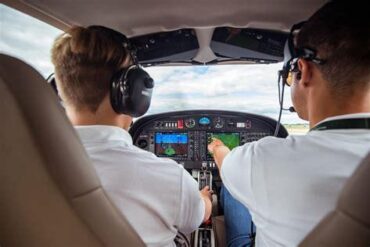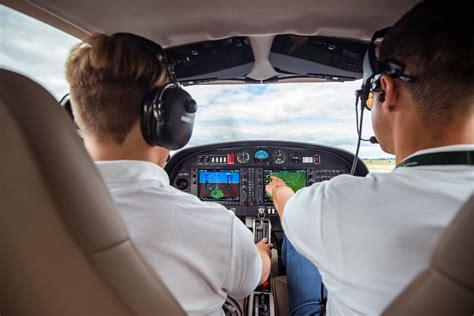
In flight training, one of the most common concerns among students is how much time they actually spend controlling the aircraft versus how much time their instructor takes the controls. It’s often surprising for many students to find that during a typical one-hour lesson, they may spend only a small fraction of that time flying the plane themselves. This article delves deep into the balance between student and instructor control in flight training, explores the reasons behind it, and offers insights into how you can maximize your learning experience.
Understanding the Balance: How Much Time Do You Spend Flying?
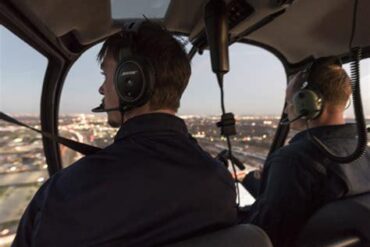
When you first start your flight training, it’s normal to expect a substantial amount of time behind the controls. However, many students find that during their early lessons, they spend a disproportionate amount of time as a passenger rather than a pilot. A typical scenario might look like this: out of a 1-hour flight, the instructor might handle the takeoff, navigate the aircraft to the practice area, manage transitions between flight maneuvers, and complete the landing. This can leave the student with only about 10-15 minutes of actual flight time during their first few lessons.
While this might feel frustrating to some, it’s important to understand that early lessons are about building a foundation. Instructors are responsible for ensuring that you are safe and that the flight is conducted in a controlled environment. For instance, taking off and landing, particularly in unfamiliar or challenging conditions, require a level of precision and experience that new students are still developing.
The Role of the Instructor: Why Do They Take Control?
In the early stages of flight training, the instructor’s role is not just to teach you how to fly but also to ensure your safety. This often means that the instructor will take control of the aircraft during the most critical phases of flight, such as takeoff, landing, and navigating through congested airspace. The reason for this is straightforward: student pilots are still honing their skills, and the consequences of a mistake during these phases can be severe.
Moreover, the transition to the practice area is often handled by the instructor to allow the student to focus on basic maneuvers, such as trimming the aircraft or adjusting the controls. By doing so, the instructor helps the student concentrate on developing the fine motor skills and muscle memory needed to control the aircraft in the practice environment without the distractions of complex navigation or aircraft management.
As the student progresses in their training, however, the expectation is that the amount of time spent controlling the aircraft will gradually increase. A good instructor will seek to gradually hand over more control as the student becomes more proficient, ensuring that they are consistently challenged while still being safe.
How Much Should You Be Flying by the End of the First Few Lessons?
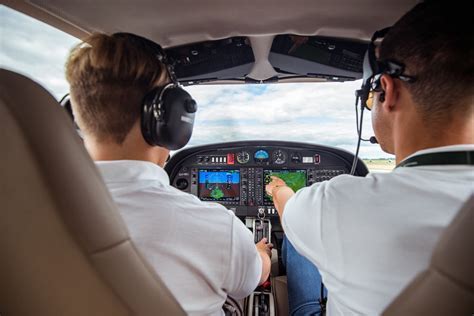
By the time you enter your second or third lesson, you should expect to spend a significant amount of time in the pilot’s seat. A general guideline among many flight schools and instructors is that after the first few lessons, students should be in control of the aircraft for about 90-95% of the time, with the instructor only stepping in during takeoff, landing, and potentially in some emergency situations.
It’s important to note that the exact ratio of time spent flying versus instructor control will vary depending on your progress, the type of aircraft, and the instructor’s teaching style. While it’s natural for new students to need more guidance initially, the goal of flight training is to make you proficient and independent as soon as possible.
One thing to keep in mind is that the instructor’s level of involvement will decrease as your skills improve. In some cases, instructors may take control of the aircraft more frequently in the early stages to help with certain maneuvers or to prevent mistakes from escalating into safety issues. However, as your confidence and competence grow, expect to take on more responsibility for the flight, especially once you’ve mastered basic maneuvers and are familiar with the aircraft’s systems.
The Importance of Taking Control Early and Often
Flight training is fundamentally about building skills through practice. The more time you spend in control of the aircraft, the more quickly you will develop the muscle memory and decision-making skills necessary to fly safely and confidently. Even if your instructor is taking control during certain phases of the flight, they should be encouraging you to perform the majority of the tasks within the flight itself, especially in later lessons.
Students often find that the longer they wait to get hands-on experience, the more anxious they become when it’s finally time to take the controls. The earlier you begin actively controlling the aircraft, the sooner you will become accustomed to the feeling of flying, making it easier to build confidence and refine your technique.
Signs Your Instructor Might Be Overly Cautious
While safety is paramount in flight training, there are situations where an instructor might be overly cautious or reluctant to allow the student to take control. Some signs of this include:
- Minimal Time in Control: If you consistently find that you’re spending very little time actually flying the plane, even as your training progresses, this could be a sign that the instructor is not allowing you to take control when you’re ready.
- Lack of Challenge: Instructors should push you to handle increasingly complex maneuvers and conditions as you progress in your training. If your instructor is constantly stepping in without offering you the opportunity to attempt tasks on your own, it could indicate a lack of confidence in your abilities or a failure to recognize your progress.
- Missed Opportunities for Learning: A key aspect of flight training is learning from mistakes and developing the confidence to handle difficult situations. If your instructor is overly protective and doesn’t give you the chance to make minor errors under their supervision, it can delay your learning process.
If you find yourself in this situation, it’s important to have a conversation with your instructor. Express your concerns and ask for more time flying the aircraft. Most instructors are open to feedback and would be happy to adjust their approach to suit your learning style and goals.
Communicating with Your Instructor: Setting Expectations
Clear communication with your instructor is essential for a productive and fulfilling learning experience. Before beginning your flight training, or early on in your lessons, it’s helpful to have a candid discussion about your goals and expectations. Let your instructor know how much time you want to spend flying the plane and what you hope to achieve during each lesson.
By having these expectations in place, you can avoid misunderstandings and ensure that your training is moving at the right pace for you. If you feel that you’re not flying as much as you’d like, don’t hesitate to discuss it with your instructor. A good instructor will be more than willing to adapt their teaching style to ensure that you are learning efficiently and effectively.
When to Seek a New Instructor
In some cases, you may find that despite expressing your desire for more flight time, your instructor is simply too cautious or unwilling to give you more control. While this is not always the case, if your instructor’s style doesn’t align with your learning needs and you’re not seeing progress, it may be time to consider finding a new instructor. You have the right to seek an instructor who understands your needs and challenges you to improve at a pace that is both safe and appropriate for you.
Conclusion
The balance of control between the student and instructor is a crucial aspect of flight training. Early on, it’s perfectly normal for the instructor to handle most of the flight, especially during takeoffs, landings, and transitions. However, as your skills progress, you should expect to take on more responsibility for the aircraft, ideally flying the plane for the majority of the lesson. If you feel that you are not getting enough flight time, it’s essential to communicate openly with your instructor to address the issue. By ensuring that you have ample time behind the controls, you can accelerate your learning, build confidence, and become a skilled, independent pilot.