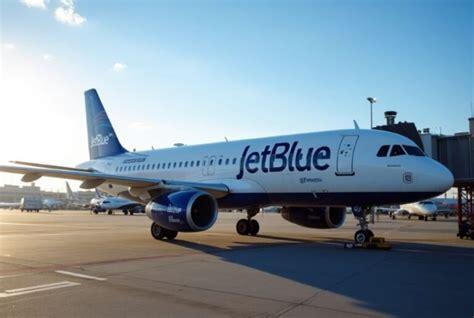
JetBlue is entering a decisive phase of expansion, leveraging a rare shift in the U.S. aviation landscape. As the competitive map reshapes following the decline of Spirit Airlines, JetBlue is moving with calculated precision—not to replicate what existed, but to refine it. This is not about becoming the next ultra-low-cost giant; it is about selectively stepping into high-demand corridors where price sensitivity meets a desire for comfort.
The airline’s blueprint reveals a clear pattern: expand where demand is proven, where its brand already resonates, and where its hybrid model—balancing affordability with elevated service—can outperform both legacy carriers and ultra-low-cost rivals. The result is a targeted list of airports poised to see more JetBlue flights soon, each representing a strategic puzzle piece in a much larger network vision.
Fort Lauderdale Sets the Blueprint for Expansion
The transformation of Fort Lauderdale-Hollywood International Airport into JetBlue’s strongest foothold illustrates exactly how the airline intends to grow. Already the leading carrier at this airport, JetBlue capitalized on shifting market dynamics by rapidly introducing new routes, reinforcing its dominance in a region where leisure travel and visiting-friends-and-relatives (VFR) traffic are consistently strong.
This expansion is not accidental. Fort Lauderdale acts as a proving ground—a live demonstration of how JetBlue can scale in markets where low fares previously dominated. By maintaining competitive pricing while enhancing onboard experience, the airline is effectively redefining expectations for budget-conscious travelers.
What makes this especially compelling is how seamlessly JetBlue integrates into these markets. It doesn’t disrupt demand; it refines it. Travelers who once tolerated bare-bones service now find themselves with an alternative that feels like an upgrade without a dramatic price jump.
Orlando Emerges as the Next Growth Powerhouse
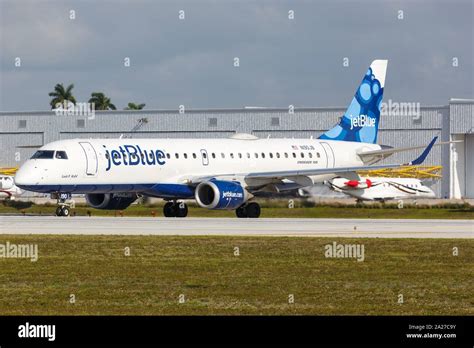
Few airports align as perfectly with JetBlue’s expansion strategy as Orlando International Airport. With its blend of tourism, family travel, and price-sensitive passengers, Orlando represents a near-ideal environment for rapid scaling.
JetBlue already maintains a significant presence here, closely mirroring the footprint previously held by its low-cost competitor. That symmetry is crucial—it means the infrastructure, brand awareness, and customer base are already in place. Expansion here is less about risk and more about acceleration.
The real opportunity lies in doubling down on existing strengths. Increasing flight frequencies, optimizing schedules around peak travel times, and introducing new nonstop routes to underserved Northeast and Midwest cities could dramatically elevate JetBlue’s position.
Orlando’s advantage is its versatility. It is not tied to a single dominant airline hub model, allowing JetBlue to expand without facing overwhelming structural resistance. This creates a rare opening where growth can be both aggressive and sustainable.
Newark: Strategic Expansion in a Competitive Stronghold
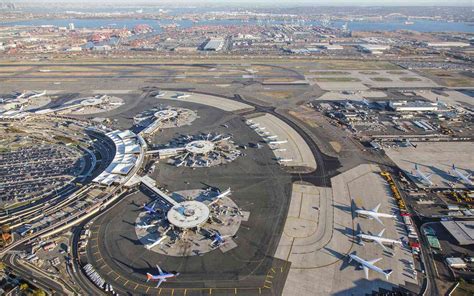
At first glance, expanding at Newark Liberty International Airport may seem counterintuitive, especially given JetBlue’s already substantial presence at John F. Kennedy International Airport. However, Newark offers something uniquely valuable: access to a different segment of the New York metropolitan area.
This is not redundancy—it is diversification.
Newark’s catchment area extends deep into New Jersey and parts of Pennsylvania, opening new traffic flows that complement JetBlue’s existing network. While United Airlines dominates the airport, JetBlue has already proven its ability to coexist in competitive environments.
The strategy here is surgical. Rather than attempting to challenge incumbents across the board, JetBlue is likely to focus on high-demand routes—particularly those linking the Northeast to Florida and the Caribbean. These routes align perfectly with its strengths and customer base.
The result? Travelers gain more options, often with better onboard amenities than traditional low-cost alternatives, without stepping into the premium pricing territory of legacy carriers.
San Juan Strengthens as a JetBlue Fortress
In contrast to Newark’s competitive landscape, Luis Muñoz Marín International Airport represents a position of dominance for JetBlue. Already the largest carrier here, the airline is uniquely positioned to deepen its influence as market gaps emerge.
San Juan is more than just another destination—it is a strategic hub connecting the mainland United States with the Caribbean. This geographic advantage allows JetBlue to expand in multiple directions simultaneously, reinforcing both leisure and VFR travel flows.
What makes this market particularly attractive is its resilience. Demand remains consistent year-round, supported by tourism, cultural ties, and family connections. As a result, additional capacity—whether through new routes or increased frequencies—is likely to be absorbed quickly.
JetBlue’s expansion here is less about capturing new territory and more about consolidating leadership. It’s a classic case of strengthening a stronghold while competitors regroup.
Tampa and Fort Myers: Precision Growth in Florida’s Leisure Corridor
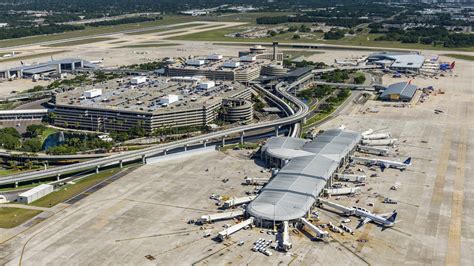
Florida continues to be a cornerstone of JetBlue’s network, and airports like Tampa International Airport and Southwest Florida International Airport offer targeted opportunities for expansion.
These are not massive hubs, but that’s precisely what makes them appealing. They represent high-value, high-demand leisure markets where incremental growth can yield significant returns.
Tampa, with its balanced mix of business and leisure travel, allows JetBlue to experiment with new routes while maintaining steady baseline demand. Fort Myers, on the other hand, is a pure leisure destination, heavily driven by seasonal travel and Northeast connections.
In both cases, JetBlue’s approach is likely to be selective rather than aggressive. Adding routes that directly connect underserved cities, increasing frequencies on popular corridors, and leveraging its brand appeal among leisure travelers can gradually strengthen its position without overextending resources.
Route Expansion: Where Demand Meets Opportunity
The real story behind these airport expansions lies in the routes themselves. JetBlue’s strategy divides neatly into two categories: reinforcing existing routes and introducing new ones where demand has already been proven.
Routes such as Orlando to Newark or San Juan to Fort Lauderdale represent low-risk opportunities. These are established markets where JetBlue can simply increase capacity, optimize schedules, and capture additional demand.
More intriguing are the “true gap” routes—connections that previously thrived under low-cost models but remain underserved today. Think Orlando to Philadelphia, Newark to Fort Lauderdale, or Tampa to major Northeast cities. These routes combine strong demand with limited direct competition, making them ideal candidates for JetBlue’s expansion.
What sets JetBlue apart is how it approaches these routes. Instead of competing solely on price, it introduces a value proposition that includes:
- Complimentary in-flight Wi-Fi
- Seatback entertainment screens
- More legroom than typical low-cost carriers
- A loyalty program that appeals to frequent travelers
This blend transforms what would otherwise be a purely price-driven decision into a more nuanced choice, giving JetBlue a competitive edge.
Competitive Pressure: Why JetBlue Won’t Have It Easy
JetBlue’s expansion is happening in a contested environment. Airlines like Frontier Airlines are aggressively positioning themselves to capture the same displaced demand, often competing on price alone.
Meanwhile, Allegiant Air continues to dominate niche leisure routes, particularly those connecting smaller cities to Florida destinations. Its point-to-point model allows it to operate efficiently in markets that larger carriers might overlook.
Then there’s Breeze Airways, a fast-growing player focused on underserved routes. Its agility and willingness to explore thinner markets make it an unpredictable competitor.
JetBlue’s response is not to undercut prices across the board but to redefine value. By offering a more comfortable flying experience at competitive fares, it positions itself as the natural upgrade for travelers transitioning away from ultra-low-cost carriers.
What This Means for Passengers
For travelers, JetBlue’s expansion translates into tangible benefits. More routes mean greater flexibility, more competition leads to better pricing, and enhanced onboard experiences elevate the overall journey.
Passengers in key markets—especially those traveling between the Northeast, Florida, and the Caribbean—are likely to see:
- Increased flight availability on popular routes
- More nonstop options, reducing travel time
- Competitive fares with improved onboard amenities
- Greater loyalty program benefits and status opportunities
Perhaps most importantly, travelers gain choice. Instead of being forced to choose between ultra-low fares and premium pricing, they now have an option that sits comfortably in between.
A Calculated Expansion with Long-Term Impact
JetBlue’s next phase of growth is not about rapid, unchecked expansion. It is about precision—identifying where demand exists, where its brand resonates, and where it can deliver a superior product without losing its competitive edge.
Airports like Orlando, Newark, San Juan, Tampa, and Fort Myers are not random selections. They are carefully chosen nodes in a broader network strategy designed to maximize efficiency and profitability while enhancing the passenger experience.
The ripple effects will be felt across the industry. Competitors will be forced to respond, pricing dynamics will shift, and passengers will ultimately benefit from a more balanced marketplace.
JetBlue is not trying to be everything everywhere. It is choosing its battles—and choosing them wisely.