Korean airline jobs present a unique and rewarding opportunity for bilingual professionals, particularly those fluent in Korean. As global travel continues to expand, the demand for employees who can bridge language gaps and provide exceptional customer service remains high. In this guide, we delve into the diverse roles available within the Korean airline sector, the essential qualifications required, the benefits offered, and the career growth prospects for aspiring candidates. Our focus is on crafting a comprehensive overview that will aid job seekers in understanding the landscape and preparing effectively for these roles.
Exploring the Korean Airline Job Market
The Korean airline job market is robust and varied, with numerous positions available for individuals fluent in Korean. Major airlines and logistics companies frequently recruit candidates who can serve the growing number of Korean-speaking travelers and clients. Some of the top employers in this sector include Hawaiian Airlines, Korean Air, CJ Logistics, China Airlines, Swissport International AG, and Hallmark Aviation Services. These companies primarily operate in key locations such as Honolulu, Los Angeles, San Francisco, Dallas, Boston, and Austin.
Positions in this field range from flight attendants and passenger service agents to logistics coordinators, sales associates, and cargo reservation agents. The common factor across these roles is the requirement for bilingual proficiency (Korean and English) and a strong commitment to customer service. These jobs cater to various aspects of airline operations, from in-flight safety and hospitality to ground support and cargo management.
The Competitive Nature of Airline Employment
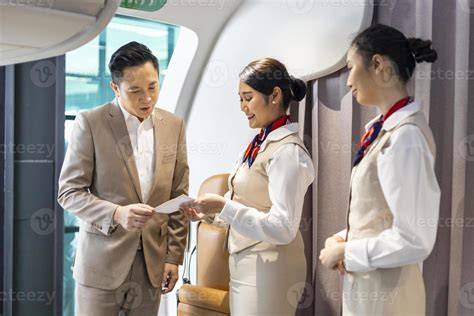
Jobs within the airline industry are highly competitive, especially those involving direct customer interaction. Employers look for candidates who not only meet the basic qualifications but also demonstrate cultural competence, problem-solving skills, and the ability to work under pressure. The hiring process typically involves several stages, including pre-recorded video interviews, virtual panel interviews, in-person group interviews, and final language proficiency assessments.
One prominent example is the Flight Attendant (Korean Language Qualified) position at Hawaiian Airlines in Honolulu, HI. This role is designed for individuals who can deliver high-quality service while also managing safety protocols. Successful candidates undergo an FAA-approved, eight-week intensive training program that covers emergency procedures, customer service, and hospitality standards.
Key Roles and Responsibilities in Korean Airline Jobs
Flight Attendant (Korean Language Qualified)
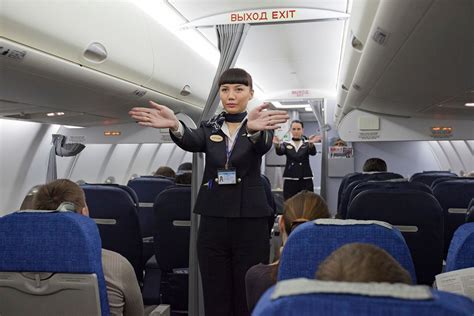
The role of a flight attendant within a Korean-speaking context is multifaceted, balancing safety management with hospitality services. As seen in the job description from Hawaiian Airlines, flight attendants are responsible for:
- Conducting preflight briefings on weather conditions, flight routes, safety procedures, and cabin services.
- Welcoming passengers, guiding them to their seats, and assisting with carry-on luggage.
- Demonstrating the use of safety equipment like oxygen masks, seat belts, and life jackets before takeoff.
- Monitoring passengers for adherence to safety regulations and addressing any issues promptly.
- Delivering food and beverage services, managing in-flight sales, and collecting payments for premium items.
- Providing first aid when necessary and preparing comprehensive incident reports after each flight.
- Training regularly to maintain certification and readiness for emergency scenarios.
Physical fitness is a crucial aspect of this role, as it requires lifting heavy equipment, operating emergency exits, and navigating the cabin in adverse conditions. Flight attendants also need to demonstrate emotional resilience, especially when dealing with challenging passengers or medical emergencies.
Passenger Service Agent (Korean Speaker)
Passenger service agents, commonly employed by companies like Swissport International AG and POI Aviation Guam, play a vital role in ground operations. Their responsibilities include:
- Assisting passengers with check-in procedures and baggage inquiries.
- Coordinating boarding processes to ensure smooth transitions from gate to aircraft.
- Handling customer complaints and resolving issues related to tickets or travel disruptions.
- Providing translation assistance for non-English-speaking travelers.
- Maintaining detailed records of passenger interactions and ensuring compliance with airline regulations.
This role requires excellent interpersonal skills and the ability to remain calm in high-pressure situations. Given the diversity of international airports, agents must also be adept at handling multilingual interactions and cultural nuances.
Logistics and Cargo Handling Roles
Cargo Reservation Agent
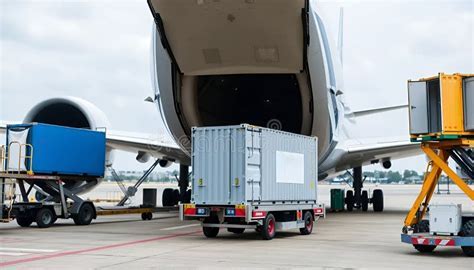
In logistics-oriented positions, such as those offered by China Airlines in Los Angeles, agents are responsible for managing cargo reservations and ensuring that freight is properly documented and transported. Typical duties include:
- Coordinating with shippers to arrange cargo pickups and deliveries.
- Ensuring that all customs paperwork is completed accurately.
- Monitoring cargo tracking systems to provide updates to clients.
- Collaborating with ground staff to load and unload shipments safely.
Employees in these roles must be detail-oriented and skilled in using logistics management software. Familiarity with international shipping regulations is also essential to avoid delays and ensure compliance.
Logistics Coordinator
At companies like CJ Logistics, logistics coordinators manage the flow of goods between different destinations, overseeing both sea and air cargo. Responsibilities include:
- Developing shipping schedules and monitoring the status of shipments.
- Communicating with airline partners to ensure cargo is correctly labeled and tracked.
- Handling customer inquiries related to shipment status and delivery timelines.
- Maintaining accurate inventory records and filing reports on logistics operations.
Qualifications and Skills Required
Korean airline jobs typically require candidates to meet the following qualifications:
- Proficiency in Korean and English.
- A high school diploma or GED (college education preferred).
- Previous experience in customer service or hospitality (2-4 years ideal).
- Strong communication skills and the ability to work collaboratively.
- Physical fitness to meet job demands, including lifting and prolonged standing.
Preferred candidates often possess additional skills, such as multilingual abilities beyond Korean and English or familiarity with aviation regulations. Some roles may also require specific certifications, such as FAA safety training or logistics management accreditation.
Career Growth and Prospects
Careers in Korean airline jobs offer significant opportunities for advancement. Flight attendants may move into leadership roles or transition into ground operations management. Logistics professionals can advance to senior coordinator or operations manager positions, especially if they pursue further education in supply chain management.
Companies like Hawaiian Airlines and Korean Air often promote from within, providing long-term employees with training and professional development. Additionally, these companies offer attractive benefits packages, including health insurance, retirement plans, and employee travel discounts.
Conclusion
Working in the Korean airline industry is an excellent choice for bilingual professionals passionate about travel and customer service. With roles that span safety, hospitality, and logistics, employees find dynamic career paths that blend interpersonal skills with technical expertise. As the industry continues to grow, the demand for qualified, dedicated individuals remains strong, making it an opportune field for career development.