A Letter of Agreement (LoA) between two Air Traffic Service (ATS) units plays a vital role in defining the coordination procedures between these units. The guidelines outlined in the LoA complement ICAO SARPs and relevant national and international laws. Typically, the content of an LoA is quite detailed, addressing specific needs that arise during coordination between the ATS units involved.
ICAO provides limited guidance on this topic. According to Doc 9426, significant ATS issues between neighboring States should be documented in formal LoAs involving both the States and the respective ATS units. While this document includes an example of an LoA, it does not dictate a singular format. LoAs can exist not just between ATS units from different States, but also among various facilities within the same State.
When multiple ATS units share a location, like an Approach Control unit and an Aerodrome Control Tower, their coordination procedures are often outlined in an Operations Manual or a similar document. If these units operate from separate locations, such as an Area Control Center (ACC) and various Approach (APP) or Tower (TWR) facilities, they can utilize either an LoA or an Operations Manual based on the situation and the procedures set by the Air Navigation Service Provider (ANSP).
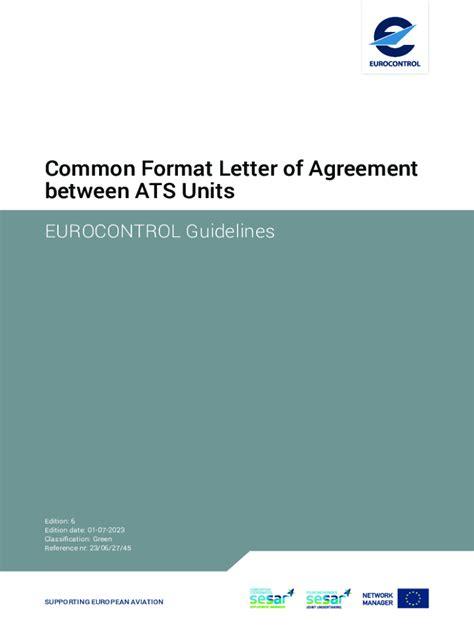
To promote consistency, common formats for LoAs have been developed, although they may not apply universally. For instance, the EUROCONTROL Common Format and the FAA LoA format are examples of such frameworks. In Europe, the EUROCONTROL Common Format is commonly adopted, enabling users, like air traffic controllers and engineers, to swiftly locate necessary information. This format encompasses all aspects of inter-unit coordination and consists of a main body along with annexes.
The main body of the LoA includes several sections: General—providing a brief overview of the subject matter, including the type of traffic it pertains to (like IFR, VFR, GAT, OAT); Areas of Responsibility and Delegation of ATS Provision; Revisions and Deviations—outlining procedures for amendments or deviations; Cancellation; Interpretation and Dispute Settlement; and Validity. There are also appendices that include maps detailing ATS delegations where applicable.
Detailed procedures are specified in the annexes:
-
Annex A: Definitions and Abbreviations
-
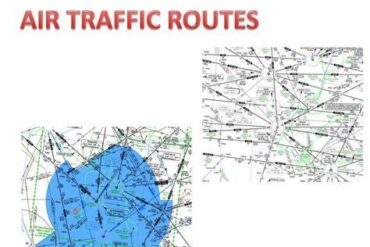
Annex B: Area of Common Interest—defining the shared area along the border between the responsibilities of the two units, supported by maps and tables of various airspace elements such as waypoints and airways.
-
Annex C: Exchange of Flight Data—this is split into two parts: automatic and verbal, covering the respective equipment used and fallback procedures in case of equipment failure.
-
Annex C1: Automatic data exchange through OLDI messages.
-
Annex C2: Verbal data exchanges, detailing procedures for voice communication regarding estimates and approvals.
-
Annex D: Procedures for Coordination—covering general coordination procedures, level allocations, and VFR flight coordination.
-
Annex E: Transfer of Control and Communication.
-
Annex F: ATS Surveillance Based Coordination Procedures—detailing transfer conditions for aircraft identification and control.
-
Annex G: Supplementary Procedures—optional for procedures not covered in previous annexes, such as Low Visibility Procedures and special event planning.
-
Annex H: Checklist of Pages—optional, listing document pages and their validity dates.
In the United States, the LoA format is described in Order JO 7210.3 Facility Operation and Administration.