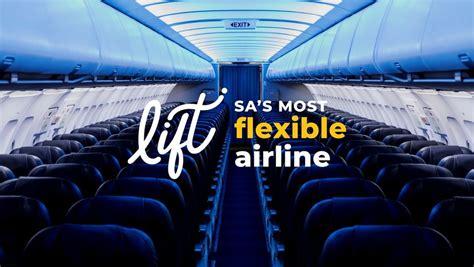
LIFT Airline has swiftly emerged as a transformative force within the South African aviation sector. Founded in 2020, LIFT represents the ambitions of a new generation of air travel enthusiasts, created by an innovative partnership between seasoned airline executives and forward-thinking entrepreneurs. Operating from its hub at O. R. Tambo International Airport, Johannesburg, LIFT blends affordable service with a modern passenger experience, setting new standards for low-cost travel.
LIFT’s rapid establishment in late 2020 marks one of the most impressive launches in the modern airline industry. In just a few short months, the airline transitioned from concept to reality, overcoming the complex regulatory, operational, and market challenges that typically hamper new entrants. Backed by Global Airways, a trusted ACMI operator specializing in Airbus A320 and A340 aircraft, LIFT built its operational backbone on proven experience and reliability.
The Visionaries Behind LIFT Airline
At the heart of LIFT’s success is a visionary leadership team. Gidon Novick, the former CEO of Comair, brings extensive aviation leadership, while Jonathan Ayache, a former Uber executive, injects a fresh digital-first mindset essential for modern travel. Their collaboration is bolstered by strategic investors like Rael Levitt and Alon Apteker, entrepreneurs who recognize the evolving needs of South Africa’s travel market.
The branding strategy exemplified their innovative spirit. In a bold move to foster immediate public engagement, LIFT invited South Africans to name the airline via a national social media campaign. Out of thousands of submissions, “LIFT” was chosen, encapsulating the spirit of optimism and elevation that the brand aimed to represent. As a tribute, the winners’ names are proudly displayed on the fuselages of LIFT’s first three Airbus A320 aircraft.
Fleet Composition and Operational Strategy
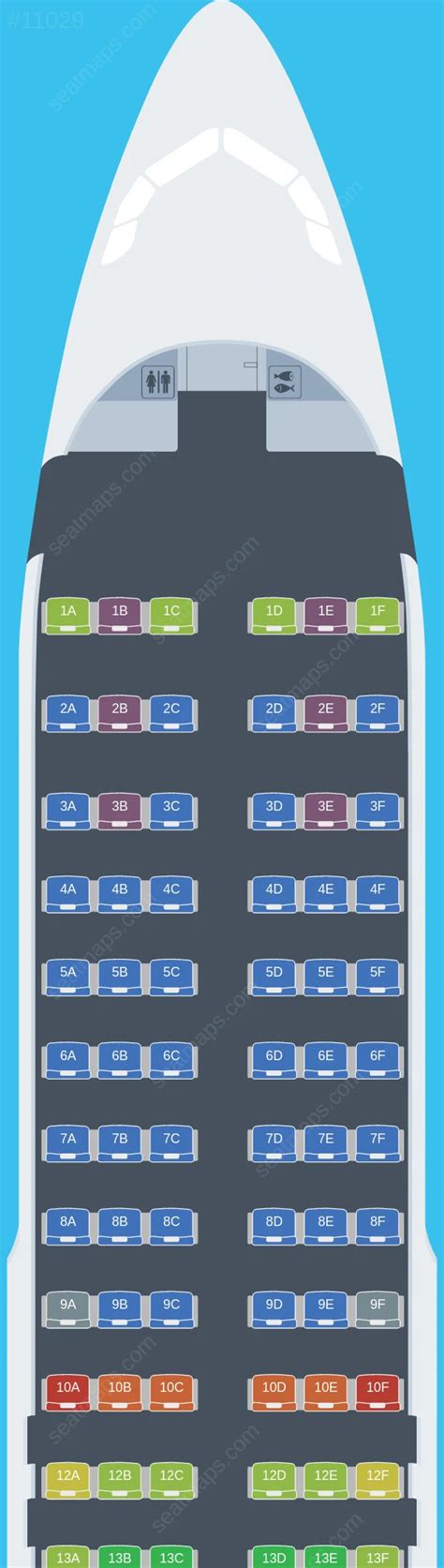
As of 2023, LIFT maintains a fleet of six Airbus A320-200 aircraft, operated by Global Airways. These narrow-body jets, configured with 12 premium economy and 150 economy seats, provide a total capacity of 162 passengers per flight. Such a configuration strikes a balance between maximizing operational efficiency and enhancing passenger comfort—critical for achieving sustainable profitability in the low-cost carrier segment.
The decision to operate solely Airbus A320s reflects a strategic emphasis on operational simplicity and maintenance efficiency. A single-type fleet allows for lower training costs, streamlined maintenance processes, and higher aircraft utilization rates. This strategic precision positions LIFT to deliver consistently reliable service with competitive fares.
Destinations: Strengthening South Africa’s Travel Networks
LIFT’s initial focus has been to serve South Africa’s key domestic routes, connecting major economic and tourist hubs. As of August 2023, the airline services three primary destinations:
- Cape Town International Airport
- King Shaka International Airport (Durban)
- O. R. Tambo International Airport (Johannesburg Hub)
Previously, LIFT also operated flights to George Airport, though that route was terminated to optimize network efficiency.
These routes were carefully selected based on strong demand indicators, particularly among business travelers and domestic tourists. By concentrating operations on high-density city pairs, LIFT maximizes aircraft utilization and ensures a strong load factor, vital for profitability in the cost-sensitive airline business.
Customer Experience and Service Innovations
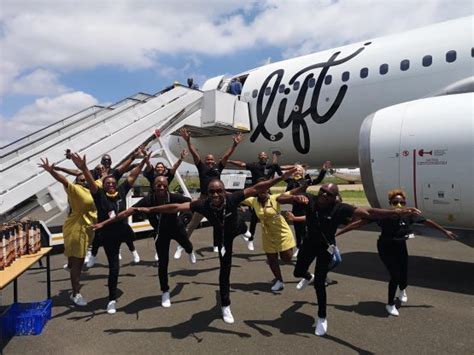
Despite its low-cost designation, LIFT distinguishes itself through an elevated passenger experience. The airline offers flexible booking options, allowing travelers to change or cancel flights without punitive fees—a rare benefit among budget carriers. This policy reflects a broader understanding of modern travelers’ expectations for agility and convenience, especially amid ongoing uncertainties in global travel.
LIFT also stands out for its in-flight experience, offering passengers a sophisticated but relaxed ambiance. While maintaining cost discipline, the airline delivers thoughtful touches like free snacks and beverages on certain routes, enhancing overall customer satisfaction and brand loyalty.
Strategic Positioning in South Africa’s Aviation Market
LIFT operates in a competitive yet opportunity-rich landscape. It shares the low-cost segment with well-established players such as FlySafair, while also coexisting with legacy carriers like South African Airways and Airlink. The collapse of carriers like Mango and Kulula.com created a market gap that LIFT has adeptly moved to fill, attracting both value-conscious and service-oriented travelers.
By leveraging digital-first booking systems, agile pricing strategies, and superior customer service, LIFT positions itself as a premium alternative within the low-cost bracket, appealing especially to younger, tech-savvy flyers and corporate clients seeking value without sacrificing quality.
The Role of Global Airways and Operational Backbone
A major factor behind LIFT’s operational stability is the support from Global Airways. As an established ACMI provider, Global Airways ensures that LIFT benefits from rigorous aircraft maintenance standards, robust operational protocols, and experienced crew management. This partnership allowed LIFT to launch with lower upfront capital requirements compared to traditional airlines, focusing its resources instead on customer acquisition, brand building, and network optimization.
The aircraft themselves—Airbus A320-200s—are renowned for their reliability, fuel efficiency, and versatile cabin layouts. These aircraft are particularly well-suited for South African domestic routes, providing a perfect blend of range, speed, and operational economics.
Brand Identity: More Than Just a Name
The “LIFT” brand resonates with more than just the literal sense of taking to the skies. It embodies an uplifting spirit—symbolizing renewal, innovation, and freedom. In a country deeply affected by the COVID-19 pandemic, where the aviation sector saw widespread disruption, LIFT’s emergence provided a fresh symbol of resilience and recovery.
By integrating local identity, public participation, and world-class aviation practices, LIFT has cultivated a brand that South Africans can genuinely feel connected to. This emotional resonance provides a formidable foundation for customer loyalty as the airline scales its operations in the coming years.
Challenges and Future Outlook
While LIFT’s early success is undeniable, it faces significant challenges inherent to the aviation industry. Fuel price volatility, fluctuating currency valuations, and competitive pressures from both established and emerging carriers will test its resilience.
Nonetheless, LIFT’s agile business model, strong operational partners, and committed leadership team position it well for future expansion. Prospective growth areas include extending services to secondary domestic airports, launching regional flights into Southern Africa, and possibly expanding into neighboring countries like Namibia, Botswana, and Mozambique.
As global air travel gradually recovers post-pandemic, LIFT’s adaptable and customer-centric approach suggests it will continue to rise in prominence, helping to reshape South Africa’s aviation narrative.
Conclusion: A Promising Journey Ahead
In just a short span, LIFT has gone from a bold idea to a respected player in South African aviation. Combining operational excellence, visionary leadership, strategic fleet management, and an acute understanding of passenger needs, LIFT exemplifies the future of affordable, flexible, and enjoyable air travel. As it continues to evolve, LIFT’s success story will undoubtedly serve as a case study in resilience, innovation, and the enduring spirit of flight.