Magnifica Air has entered the aviation spotlight with an audacious vision: to redefine ultra-premium air travel in the United States by 2027. This startup isn’t just flirting with first class—it’s aiming to dominate the space between first class and private aviation, offering the comforts of bespoke flight experiences without the prohibitive cost of chartering a jet.
The project is the brainchild of Wade Black, a veteran in both commercial and private aviation, who is betting big on the emerging appetite for exclusive, time-saving travel. With signed agreements for aircraft, partnerships with interior design giants, and a proposed route network that spans key metropolitan areas, Magnifica Air seems, at least on paper, to be as serious as they come.
The Vision: A Bridge Between First Class and Private Jet
Magnifica Air intends to carve out a unique market niche, aiming for the sweet spot between commercial first class and private jets. Where traditional commercial airlines focus on volume, and private aviation on hyper-customization, Magnifica wants to bring selectiveness and polish to scheduled operations.
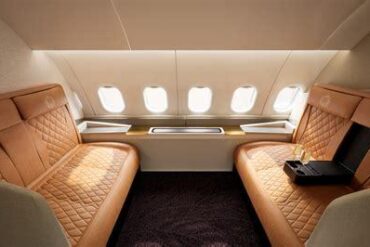
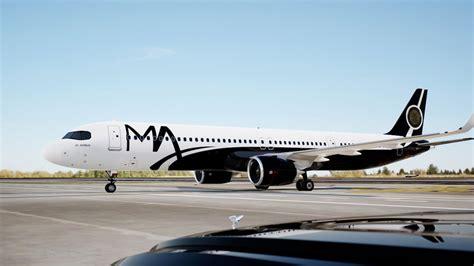
The airline plans to launch with a fleet of eight aircraft—six Airbus A220-300s and two Airbus A321neos—all configured for fewer than 55 passengers, a radical departure from traditional load expectations. The A220s will feature recliner seats, while the A321s offer flat beds, both equipped with ultra-exclusive ‘Private Class’ suites—two per aircraft. The A321s will even feature a rear lounge area, a rare nod to the golden age of flying.
Premium Terminals and Expedited Boarding: Time is Luxury
One of the defining features of Magnifica Air is its completely reimagined ground experience. Forget long TSA lines and crowded gates. Instead, passengers will enter via private terminals, arrive just 30 minutes before departure, and benefit from white-glove baggage handling and private TSA-approved screening lounges. On arrival, luggage will be delivered within 10–15 minutes, while a chauffeur waits curbside.
This isn’t merely about aesthetics—it’s about convenience, discretion, and time saved, aligning with the preferences of high-net-worth individuals who value speed and efficiency over frequent flyer miles.
The Aircraft Interiors: Designed by Comlux, Tailored for Luxury
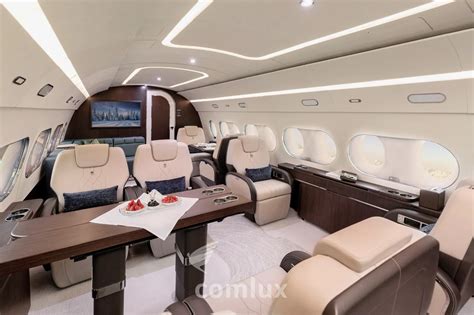
Interior outfitting is being handled by Comlux, a design firm best known for customizing private jets for the elite. This partnership signals that Magnifica Air’s cabin experience will not resemble any current domestic offering. From customized lighting and soundscapes to premium seating materials and lounge-like atmospheres, the interiors promise more than luxury—they promise an identity.
The planes are not retrofitted cast-offs but bespoke environments designed to evoke emotional connections with the brand, elevating the experience from transit to occasion.
The Seven Club: A Lifestyle, Not Just Loyalty
Going beyond traditional frequent flyer programs, Magnifica Air will offer “The Seven Club”, a private membership community targeting cultural tastemakers and elite professionals. Membership includes priority access, fixed-rate pricing, and invites to curated events, integrating the airline into a broader lifestyle ecosystem.
This move positions Magnifica not only as a transport provider, but as a luxury lifestyle brand, an audacious ambition that may help insulate it from the fare-based price wars that plague legacy carriers.
The Sustainability Play: Idealism or Illusion?
Magnifica Air claims it will be carbon neutral from day one, pledging to integrate over seven million gallons of sustainable aviation fuel (SAF) annually. While environmentally commendable, such a move invites scrutiny. SAF remains significantly more expensive than traditional jet fuel, raising questions about the airline’s cost structure and long-term viability.
Can a startup afford to burn premium fuel, offer private terminal access, and maintain ultra-low passenger loads—all while turning a profit? That’s a puzzle even seasoned legacy airlines struggle to solve.
Market Realities: Does the Demand Exist?
There is no doubt that premium travel demand has surged post-pandemic. Travelers are willing to pay more for space, privacy, and flexibility. But whether this demand translates into a sustainable business model is another question entirely.
For traditional business travelers and affluent consumers currently loyal to the big three—Delta, United, and American—Magnifica’s limited route network may prove a barrier. Scheduled service on boutique routes like New York–Los Angeles, Miami–Houston, and seasonal services to Napa Valley and the Caribbean sounds glamorous, but business travelers need frequency and flexibility.
On the other end, those accustomed to flying private are unlikely to trade total control for scheduled convenience, even if the experience is elevated. These travelers value the ability to fly when and where they want—not when an airline says they can.
Unit Economics: A Tough Balancing Act
Magnifica Air’s cost-per-seat mile will undoubtedly be astronomically high, given its spacious configurations and service frills. Even if the ticket price surpasses $2,500 one-way, the airline must contend with:
- Low frequency and limited destinations reducing appeal for repeat travelers
- High fixed costs due to lounge operations, private terminals, and staffing
- Premium competition on legacy carriers now offering improved first class and lounge experiences
Without scale, it’s hard to imagine how Magnifica avoids the pitfalls that sank predecessors like EOS Airlines or Silverjet, both of which targeted the all-business-class model with a similar premium-first vision.
Experienced Leadership: A Real Differentiator
Unlike many failed aviation ventures built on fantasy, Magnifica Air has credible leadership. Founder Wade Black’s experience in both commercial and private aviation adds legitimacy. That said, execution in aviation is merciless, and even the most compelling concepts often fail under operational pressure.
The airline’s decision to pursue a Part 121 certificate rather than Part 135 scheduled charter loopholes also shows commitment to regulatory transparency and long-term stability. This adds a layer of confidence, especially for investors wary of quick-buck schemes.
A Risk Worth Rooting For?
Despite the glaring challenges, Magnifica Air is not to be dismissed. It represents a refreshing countercurrent to the budget race-to-the-bottom that has defined much of U.S. aviation. Instead of cramming in more seats, they’re removing them. Instead of strip-mining every service to upsell later, they’re bundling luxury into a seamless experience.
But good intentions don’t fund fuel or pay salaries. For Magnifica Air to succeed, it must either attract a fiercely loyal base of ultra-premium travelers or find ways to diversify its revenue beyond ticket sales—think brand partnerships, jet card programs, or even franchising lounge access.
If it threads that needle, Magnifica Air could redefine luxury aviation in America. If not, it risks becoming another ambitious footnote in the long history of aviation startups.
Final Thoughts: Ambition Meets Altitude
Magnifica Air has all the right ingredients for a premium aviation breakthrough: an experienced founder, a clearly defined market gap, elite partnerships, and a differentiated product. But the stakes are high, and the margin for error is low.
As the airline gears up for a 2027 launch, all eyes will be watching whether this uber-luxury gamble can soar—or if it remains grounded in idealism.