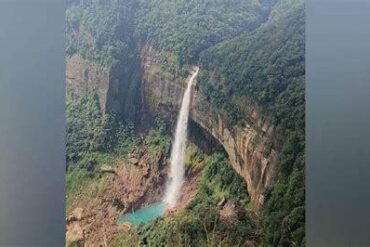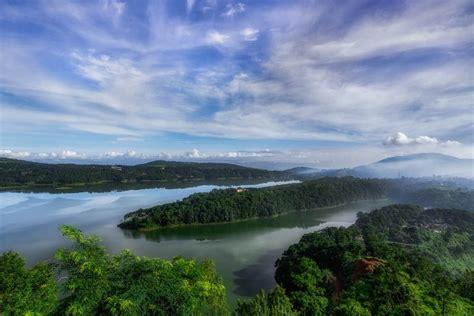
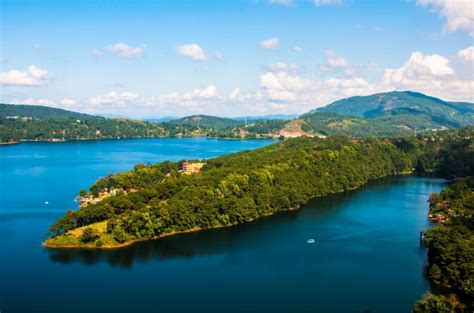
In a landmark decision poised to reshape the tourism landscape of Northeast India, the Meghalaya Cabinet has approved the leasing of 273 acres of prime land near the iconic Umiam Lake to the state’s tourism department. This strategic move, involving land under Meghalaya Electric Corporation Ltd and its subsidiaries, underscores the government’s ambition to transform the picturesque region into a thriving tourism hub. The lease is set for 60 years, with an option for a 30-year extension, providing long-term security for investors and planners.
The leased land, located along the scenic banks of Umiam Lake, is among the most visually compelling areas in the state. Surrounded by lush hills, pine groves, and mist-kissed waters, the area is expected to become a magnet for luxury tourism and eco-friendly development.
Tourism-Driven Economic Expansion in Meghalaya
The Cabinet’s decision is part of a broader agenda to leverage natural resources for sustainable economic growth through tourism. With the new land allocation, the Meghalaya Tourism Department is set to initiate projects that cater to both domestic and international travelers. These include the construction of five-star hotels, eco-lodges, and recreational centers designed to blend harmoniously with the natural surroundings.
At the center of the tourism strategy is the introduction of lake cruise services — a signature attraction that will offer a luxurious and immersive experience of Umiam Lake’s ethereal charm. These cruises aim to combine scenic vistas with local cultural elements, from indigenous cuisine to performances by Khasi and Garo artists onboard. The lake cruise will be a first-of-its-kind attraction in the region, positioning Umiam as a must-visit destination for high-end travelers.
The economic benefits of these projects are expected to ripple across multiple sectors. Besides direct employment through hospitality and services, there will be opportunities in local crafts, transportation, food production, and tour guiding. Moreover, the influx of tourists will stimulate demand for homestays, cultural experiences, and community-led tourism initiatives, thus ensuring that development is inclusive and benefits grassroots communities.
Strategic Infrastructure Backing: Regional Connectivity Scheme 2025
Complementing the tourism development plan, the Cabinet has also greenlit the Chief Minister’s Regional Connectivity Scheme 2025, a decisive intervention aimed at improving the state’s internal transportation network. This scheme focuses on enhancing bus connectivity across districts, blocks, and regional hubs, thereby making Meghalaya’s interior more accessible to tourists and locals alike.

Transportation has long been a bottleneck in Meghalaya’s tourism potential. The state’s rugged terrain and limited connectivity options often deter extended travel. With this initiative, buses will connect remote villages with urban centers, simplifying travel and ensuring that lesser-known attractions like Dawki, Mawlynnong, Cherrapunji, and Laitlum become more reachable. The improved infrastructure is also expected to reduce travel time, increase tourist satisfaction, and stimulate investment in previously overlooked areas.
In addition to facilitating tourism, the Regional Connectivity Scheme will be a lifeline for the local populace, connecting them to markets, hospitals, and educational institutions. It lays the groundwork for a more integrated and economically balanced Meghalaya, where both urban and rural regions flourish together.
Umiam Lake: The Heart of Meghalaya’s Tourism Renaissance
Umiam Lake, often referred to as the “Scotland of the East,” holds a central place in Meghalaya’s tourism blueprint. Beyond its aesthetic allure, the lake offers immense potential for water-based recreation, including kayaking, canoeing, and fishing. The government’s vision for Umiam involves turning it into a dynamic tourism cluster with eco-tourism, luxury travel, and cultural heritage tourism converging.
Plans for the lake’s development include establishing viewpoints, nature trails, amphitheaters, and sustainable dining experiences on floating platforms. These additions are designed not only to attract tourists but to ensure that their presence contributes positively to the environment and local culture.
The use of green building technology, solar lighting, and waste management systems will be integral to every project built under this initiative. The tourism department has stated its commitment to ensuring that development respects the fragile ecosystem and cultural landscape of the region.
Job Creation and Community Impact
The economic implications of this large-scale tourism investment are profound. Experts estimate that the tourism initiatives surrounding Umiam Lake could generate thousands of direct and indirect jobs in hospitality, construction, maintenance, and auxiliary services. Crucially, the government has emphasized local hiring and skills training, ensuring that the benefits of tourism growth are retained within the community.
Workshops are being planned in partnership with vocational training institutes to equip youth with skills in culinary arts, hospitality management, language services, and nature guiding. Women and marginalized communities will be given special incentives to participate in the tourism economy, promoting inclusive growth.
Beyond employment, the project also brings cultural resurgence. Through curated experiences and indigenous storytelling, visitors will engage with Meghalaya’s diverse traditions — from Khasi music and dance to tribal cuisines and crafts. This cultural exchange not only enriches the visitor’s journey but also instills pride and economic value in local heritage.
Investment Prospects and Private Sector Participation
By leasing this extensive tract of land and unveiling a comprehensive infrastructure plan, Meghalaya has signaled its readiness for private sector investment. The state government is actively seeking partnerships with national and international hospitality chains, eco-resort developers, cruise operators, and adventure tourism companies.

Financial models for public-private partnerships (PPPs) are being refined to provide long-term security, regulatory clarity, and tax incentives for early investors. The 60+30 year lease structure offers a rare opportunity for companies to establish a solid footprint in one of India’s last untapped tourism frontiers. Furthermore, Meghalaya’s alignment with the National Tourism Policy 2023 ensures that development projects enjoy synergy with central funding and promotional campaigns.
Local entrepreneurs and startups are also being encouraged to innovate within this evolving ecosystem. From app-based travel guides to drone photography services, the state’s youth are being positioned at the forefront of this transformation.
Environmental and Cultural Safeguards
The Cabinet has been careful to underscore that all tourism development will be anchored in ecological and cultural sensitivity. Environmental impact assessments (EIAs) will be mandatory for all major projects. A special task force is being constituted to monitor compliance, including representatives from local communities, environmentalists, and tourism experts.
No construction will be permitted within sensitive ecological zones, and the tourism department is committed to preserving tribal sacred groves, heritage sites, and wetland ecology. Additionally, a cap will be introduced on daily tourist footfall in peak seasons to avoid over-tourism and its adverse consequences.
Cultural immersion programs, led by local communities, will become a hallmark of the Umiam experience. Tourists will be encouraged to participate in traditional cooking classes, indigenous games, and village homestays, fostering a tourism culture that is respectful, enriching, and sustainable.
A Vision for the Future
The twin initiatives approved by the Meghalaya Cabinet mark a bold and forward-looking approach to regional development. By pairing tourism expansion with transportation connectivity, the government has created a synergistic roadmap that amplifies the strengths of each component.
In the next five years, Meghalaya is poised to emerge not just as a vacation spot, but as a model for sustainable and inclusive tourism in India. Umiam Lake will stand as the flagship of this transformation — an icon of natural splendor reimagined through thoughtful planning, smart investment, and community-centered development.
As groundwork begins and investment flows in, the true impact of this initiative will unfold — not just in glossy brochures and revenue charts, but in the lives changed, communities uplifted, and landscapes preserved for generations to come.