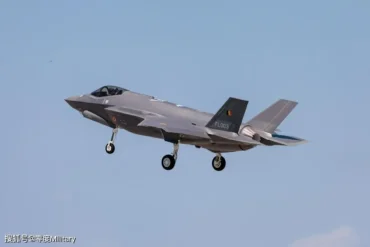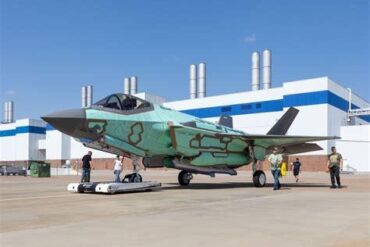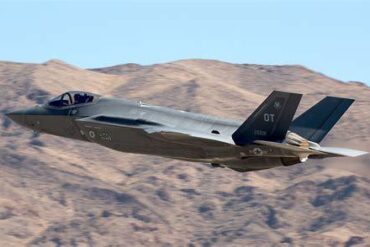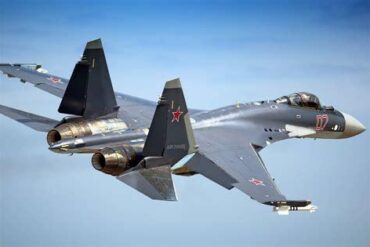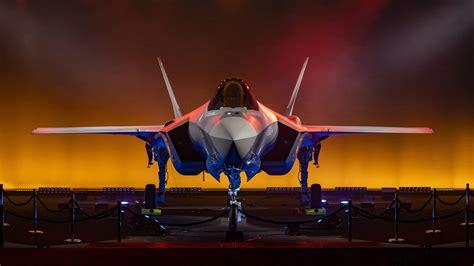
Belgium’s long-anticipated arrival of its first F-35A Lightning II fighters marks a transformative milestone for both Brussels and the broader NATO coalition. On October 13, 2025, four F-35As touched down at Florennes Air Base, symbolizing not just a generational leap in Belgian airpower but also a crucial policy trigger that clears the path for early F-16 transfers to Ukraine. This delivery, detailed in Belgium’s defense events calendar and confirmed by local outlets such as Le Soir, concludes a seven-year procurement journey and launches a dual-front modernization strategy—fortifying NATO’s deterrence while reinforcing Ukraine’s capacity to defend its skies.
The Generational Handover at Florennes
On the morning of October 13, Belgian Air Component personnel assembled for what Defense Minister Theo Francken called “a turning point for national defense and alliance solidarity.” The delivery of the first four F-35A fighters initiates Belgium’s transition away from the venerable F-16AM/BM fleet, an aircraft that has served since the late 1970s. Francken confirmed that the arrival “opens the way for Belgium to send its F-16 jets to Ukraine,” aligning the move with the coalition’s established delivery timetable.
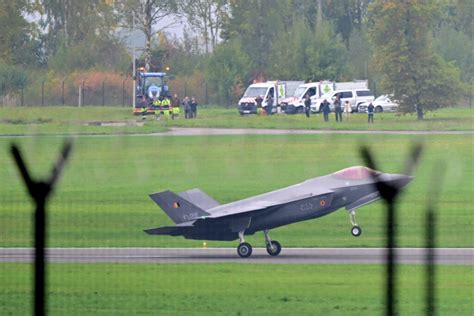
This arrival fulfills a key condition that Belgium had attached to its pledge of transferring older F-16s to Kyiv. According to defense planners, the milestone ensures operational continuity within Belgian air defense while releasing surplus capacity for Ukraine. The symbolic and operational implications are immense: as Belgium inducts fifth-generation fighters into active service, it simultaneously empowers Ukraine with combat-tested fourth-generation jets, enhancing the latter’s defensive and strike capabilities amid ongoing Russian aggression.
Strategic Significance: A Two-Track Airpower Equation
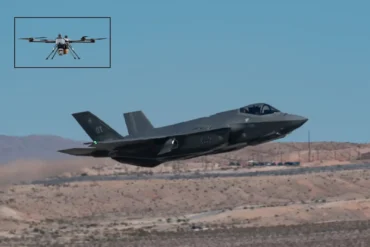
Belgium’s acquisition of the Lockheed Martin F-35A represents more than a fleet modernization—it signals the nation’s entry into the core of NATO’s fifth-generation warfare ecosystem. With this transition, Brussels activates what analysts describe as a two-track airpower calculus: advancing NATO’s forward deterrence while backfilling Ukraine’s depleted assets. The result is a carefully balanced structure of deterrence and reinforcement across Europe’s airspace.
In practical terms, the F-35A offers Belgium an array of next-generation capabilities:
- Low-observable design (stealth) enabling survivability inside modern integrated air defense systems (IADS).
- AN/APG-81 AESA radar delivering unmatched tracking, mapping, and targeting accuracy.
- AN/ASQ-239 electronic warfare suite for self-protection and threat suppression.
- Electro-Optical Targeting System (EOTS) and Distributed Aperture System (EO-DAS) for 360-degree situational awareness.
- Secure, high-bandwidth datalinks that enable seamless multi-domain coordination across allied aircraft and ground assets.
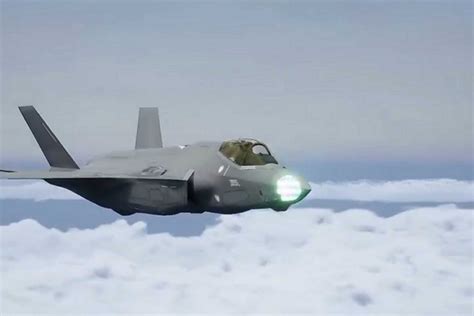
The first operational squadron—the 1st Squadron at Florennes—will integrate the aircraft into active readiness cycles, followed by deployment to Kleine-Brogel Air Base. Belgium’s defense leadership has targeted 2027 for full Quick Reaction Alert (QRA) capability, ensuring uninterrupted air policing within NATO’s northern air sector.
F-16 Legacy and Operational Continuity
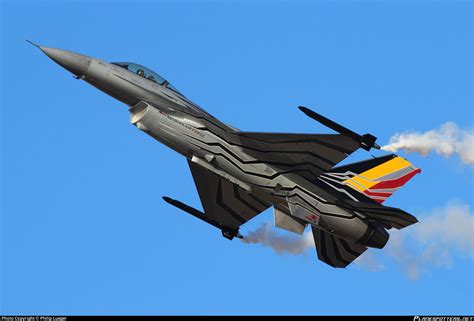
While the F-35A is the future, the F-16 remains Belgium’s enduring backbone through the late 2020s. Belgian F-16s, upgraded to Mid-Life Update (MLU) standards, feature Link-16 datalink, helmet-mounted cueing systems, and compatibility with AMRAAM and precision-guided munitions. These enhancements keep the fleet credible and interoperable with NATO allies during the transition.
Belgium’s F-16s have a distinguished record: from Operation Allied Force in Kosovo to Operation Unified Protector over Libya (2011), and multiple Operation Inherent Resolve rotations against ISIS from 2014–2021. Operating primarily from Jordanian bases, Belgian pilots have honed precision strike, ISR, and close air support capabilities across multi-domain battlefields. This combat-proven experience informed the 2018 decision to procure the F-35A, ensuring Belgium’s future pilots would operate at the cutting edge of allied airpower.
F-35A Versus European 4.5-Generation Fighters
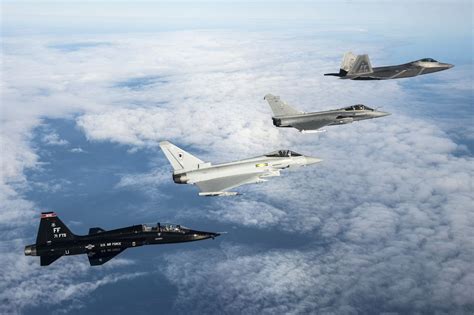
Belgium’s selection of the F-35A in 2018 came after extensive evaluations against European alternatives, including the Eurofighter Typhoon and Dassault Rafale. While both European contenders have evolved with powerful AESA radars and electronic warfare capabilities, the F-35A’s sensor fusion and very-low-observable (VLO) characteristics proved decisive.
- The Typhoon’s ECRS Mk.2 radar and Rafale’s RBE2-AA offer strong detection performance but operate on platforms lacking stealth optimization.
- The F-35A, by contrast, merges radar, electro-optical, and EW data through its advanced fusion architecture, giving pilots a singular, comprehensive tactical picture.
This integration allows the F-35 to act not only as a strike aircraft but also as an airborne intelligence node, relaying target and threat data across the NATO network. For Belgium, this translates to earlier detection, lower exposure, and greater survivability, particularly along NATO’s eastern periphery where air defense density remains high.
Unlocking Ukraine’s Next Airpower Chapter
Belgium’s F-16AM/BM fighters, though older, are highly valuable to Ukraine. They are compatible with the existing coalition’s logistics and training infrastructure established by Denmark, the Netherlands, and Norway. This ensures that Ukrainian pilots, already training on MLU-standard F-16s, can transition smoothly into operational readiness.
The standardized configuration—Link-16, NATO IFF Mode 5, AMRAAM, and compatible Western precision weapons—simplifies fleet sustainment and mission planning. Once operational in Ukrainian service, these aircraft can perform:
- Defensive Counter-Air (DCA) patrols over critical infrastructure.
- Standoff precision strikes using JDAM and Paveway-class munitions.
- Suppression of Enemy Air Defenses (SEAD) missions when equipped with anti-radiation weapons.
Belgium’s initial F-16 transfers are expected to begin in 2026, a timeline aligned with F-35 squadron ramp-ups. The phased handover ensures that Belgian airspace protection remains intact while Ukraine gains combat-effective aircraft in parallel.
Financial Framework and Industrial Commitments
Belgium’s original 2018 contract for 34 F-35As was valued at €3.8–4.0 billion, encompassing infrastructure, training, and maintenance support. In 2025, the government approved a follow-on order for 11 additional F-35s, estimated between €1.5–1.7 billion, reflecting the country’s commitment to meeting the NATO 2% GDP defense spending benchmark.
Florennes and Kleine-Brogel are undergoing extensive upgrades to accommodate the F-35’s Autonomic Logistics Information System (ALIS) and advanced maintenance hangars. Local Belgian industry, including SABCA and Sonaca, has secured contracts for airframe support, logistics, and component manufacturing, embedding the program within the domestic defense economy.
This modernization is part of a broader effort to strengthen the Benelux defense framework, integrating Belgian F-35 operations with Dutch and Norwegian squadrons under NATO’s Northern Air Policing umbrella. As the Lightning II assumes nuclear-sharing duties from the F-16 under NATO’s deterrence policy, Belgium becomes a pivotal link in the alliance’s strategic deterrent posture.
Operational Transition Timeline
The Belgian Ministry of Defense has outlined a stepwise transition ensuring both national readiness and international contribution continuity:
- 2025–2026: Initial four F-35As operational at Florennes; pilot and ground crew training intensifies.
- 2026–2028: Progressive F-16 transfers to Ukraine begin; additional F-35 deliveries continue.
- 2027: F-35 reaches QRA readiness, taking over national air policing duties.
- 2028–2030: Full operational capability achieved; F-16 fleet phased out.
This measured approach prevents capability gaps while ensuring Ukraine receives aircraft when pilots, maintenance crews, and infrastructure are fully synchronized with coalition standards.
Broader Geopolitical Implications
Belgium’s dual-track modernization embodies NATO’s post-2022 realignment following Russia’s full-scale invasion of Ukraine. By fielding fifth-generation assets while exporting legacy platforms to partners in need, Brussels contributes to both forward deterrence and capacity building. This model mirrors broader transatlantic defense patterns, where newer systems reinforce NATO’s frontlines and proven aircraft extend the operational reach of allied partners.
Strategically, Belgium’s move strengthens:
- NATO’s Baltic and Benelux deterrence posture with enhanced stealth and sensor reach.
- Ukraine’s air defense resilience through interoperable Western systems.
- Alliance nuclear-sharing continuity, as the F-35A assumes the dual-capable mission.
Francken’s statement captures the underlying calculus: “The F-35 is not only our future—it ensures we can help Ukraine defend its present.”
Conclusion: A New Era of European Airpower Integration
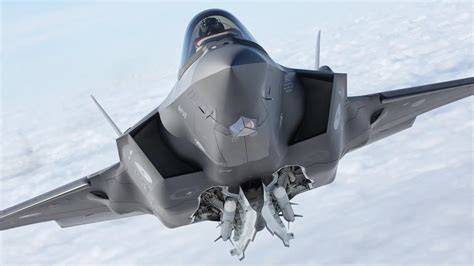
Belgium’s receipt of its first home-based F-35A fighters represents more than a ceremonial milestone—it signifies a strategic pivot in European air defense. The arrival on October 13, 2025, synchronizes two critical timelines: the ascent of a new-generation NATO deterrent and the empowerment of Ukraine’s defensive aviation forces. This coordinated transition embodies the spirit of allied solidarity and technological progression, bridging the gap between legacy systems and future warfare readiness.
As Belgium’s Lightning IIs settle into operational rhythm and the first F-16s prepare for transfer eastward, Europe witnesses a tangible example of defense synergy in action. It is a shift that balances innovation with responsibility—a statement that the future of European airpower is not only arriving, but already airborne.