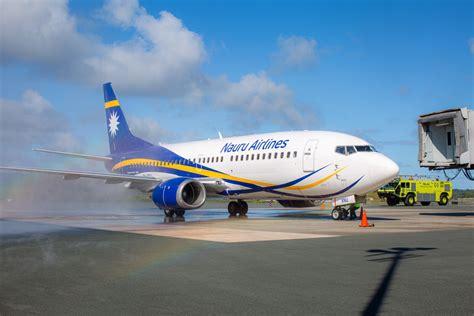
An Overview of Nauru Airlines: Island Aviation in the South Pacific
Nauru Airlines, headquartered at Nauru International Airport, occupies a unique position in the aviation industry. As the national carrier of the world’s third smallest country, the airline performs a vital logistical and economic role in a remote and climatically volatile region. Its limited network, aging fleet, and mixed reviews underscore both the challenges and resilience of a regional airline operating under constrained resources.
The airline’s flight network spans Australia and several small Pacific nations including Kiribati, the Marshall Islands, and Fiji, with the main hub in Yaren, Nauru. This connectivity is crucial for trade, medical access, education, and diplomatic movements across island nations often separated by thousands of kilometers of open ocean.
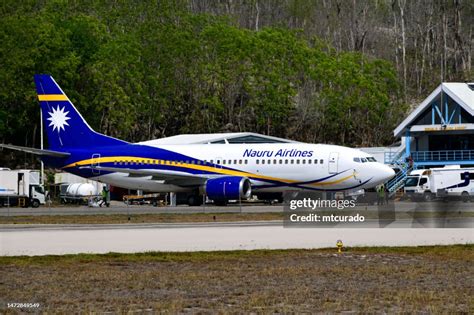
Fleet and Infrastructure: Keeping Remote Regions Connected
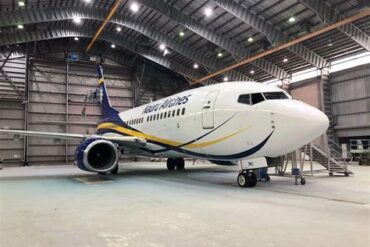
Nauru Airlines operates a fleet largely composed of Boeing 737 aircraft, many of which date back to earlier generations. While older aircraft are not necessarily unsafe, they do require intensive maintenance and are more susceptible to operational delays. Reports and user feedback indicate that mechanical issues are not uncommon, and in some cases, flights have been delayed or canceled due to parts availability or serviceability.
The infrastructure at Nauru International and other island airports is modest, which limits expansion and efficiency. Nevertheless, Nauru Airlines remains essential in a region where air connectivity is a lifeline rather than a luxury.
In-Flight Experience: A Polarized Passenger Perspective
Reviews of the in-flight experience are starkly divided. On the positive side, several passengers commend the attentiveness of cabin crew, highlighting that staff are “friendly and professional,” with a strong presence of Australian and European pilots known for their experience. The airline also reportedly provides ample food and drink, even on shorter segments — a surprising strength given the lean resources.
One reviewer traveling from Brisbane to Majuro noted two full rounds of beverages and well-maintained cabin cleanliness. The meals were substantial, and on occasion, items such as mandarins, sandwiches, and Tim Tams were served. This suggests a genuine attempt at preserving hospitality amid logistical constraints.

However, the positive sentiment is not universal. Negative reviews cite a range of complaints — from unreliable aircraft, to chronic delays, to last-minute cancellations. In several documented cases, passengers were stranded in Nauru, Kiribati, or Majuro for multiple days, incurring unexpected hotel and rebooking costs. While the airline did distribute souvenir merchandise like hats and T-shirts as compensation in one instance, passengers were unequivocal in their frustration with refund delays, which in one case reportedly stretched beyond two weeks despite repeated follow-ups.
Customer Service and Refund Policies: Under Scrutiny
Perhaps the most damaging criticism against Nauru Airlines lies in its customer service and refund practices. Multiple reviewers from 2024 recount incidents where refunds totaling thousands of dollars were promised and not delivered. Repeated phone calls and emails allegedly went unanswered or were met with vague reassurances.
One traveler, who had booked an island-hopping trip spanning several South Pacific nations, described the experience as a “total collapse of customer responsibility.” Flights were canceled without timely notice, and passengers were forced to make expensive alternative arrangements. For customers who planned intricate, multi-leg journeys — often involving hard-to-reach destinations — such disruptions have a cascading effect, not just financially, but emotionally.
Operational Realities: Flying in the South Pacific
The South Pacific is not an easy region in which to operate air services. Extreme weather patterns, limited airport facilities, and sparse aviation support infrastructure all contribute to the difficulty of providing consistent and punctual service. While larger airlines can rely on fleet redundancies or nearby hubs for contingency, Nauru Airlines lacks those resources. A grounded plane in Majuro can cause a domino effect across the entire network.
It is also notable that Nauru Airlines sometimes fills in for other regional carriers such as Air Vanuatu, suggesting a flexible but strained operational model. One review praises a smooth, friendly experience on a substitute flight, noting the cabin crew’s courtesy and the provision of refreshment packs including cool towels and alcohol. Yet such praise only reinforces how inconsistent the experience can be across routes and flights.
Pricing and Value: Is the Cost Justifiable?
Pricing is another polarizing aspect. One reviewer detailed paying $2,700 AUD for a set of four inter-island flights, only to face multiple cancellations and delays. Coupled with limited entertainment, tight seat pitch, and the absence of modern connectivity features like Wi-Fi, the fare seems disproportionately high — unless one factors in the geographic isolation and thin margins involved in island aviation.
This raises important questions: Should passengers accept higher fares and lower service standards as a reality of remote travel? Or should airlines like Nauru be held to the same customer care standards as larger international carriers?
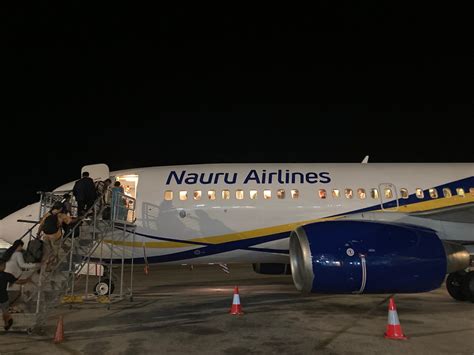
Cleanliness and Maintenance Standards: Mixed Impressions
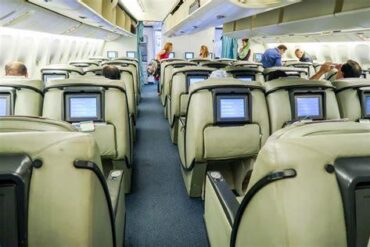
Several reviewers remark on the cleanliness of the aircraft cabins, especially given the age of the planes. Passengers have commented on spotlessly clean interiors, which is a testament to ground crew diligence. On the flip side, mechanical concerns have raised red flags. One traveler reported that a plane only flew crew members to Brisbane at 18,000 feet due to cabin pressurization issues — suggesting that maintenance shortfalls remain a serious concern.
This balance between presentation and engineering reliability is precarious. While tidy cabins offer reassurance, they cannot offset operational flaws that can ground aircraft, delay schedules, or compromise safety.
Staff and Crew: The Human Factor in Aviation Reliability
Even critics of the airline have acknowledged the professionalism and demeanor of flight crew and ground staff at check-in counters. Reviews repeatedly mention staff being pleasant and helpful, particularly in Brisbane and Yaren. This distinction is important: while corporate communication failures dominate negative reviews, the individual behavior of frontline personnel often receives praise.
Still, when those on-the-ground teams are unsupported by reliable back-end systems, refund processes, and flight logistics, there is a limit to how far goodwill can stretch. Disempowered staff cannot salvage the airline’s reputation alone.

Final Verdict: A Niche Carrier Under Pressure
Nauru Airlines embodies both the promise and perils of regional aviation. It plays an indispensable role in connecting island nations across a vast and isolated ocean. Passengers who fly Nauru often do so because no viable alternative exists. In that context, the airline’s operation is a public service as much as it is a business.
But this essential role also comes with heightened responsibility. The repeated failures in schedule reliability, customer redress, and aircraft maintenance undermine confidence, especially for international travelers planning complex itineraries. Inconsistent communication about delays, and the failure to issue timely refunds, suggests a lack of robust operational systems behind the scenes.
To its credit, Nauru Airlines retains some core strengths: hospitality in the skies, staff dedication, and a continuing commitment to serving underserved regions. But to rise above its current 3.5-star rating and restore trust, significant investment in fleet modernization, customer service reform, and accountability systems is essential.
Until then, flying Nauru Airlines will remain an exercise in compromise — balancing the risk of disruption against the reality of needing to get somewhere no one else flies.