Lonavala, a picturesque hill station nestled in the Sahyadri mountains of Maharashtra, has long been a favored getaway, particularly during the monsoon season. However, the intense rains that enhance its natural beauty also introduce significant safety challenges. To mitigate these risks, the Pune district administration has enforced strict prohibitory orders across several tourist hotspots in Lonavala and Maval taluka, aiming to ensure the safety of both locals and visitors. Here’s a comprehensive overview of the measures in place and what travelers must know before heading to this enchanting location.
Prohibitory Orders for Public Safety
On June 11, 2023, Jitendra Dudi, the Pune District Collector and head of the District Disaster Management Authority, implemented a series of prohibitory orders under Section 163 of the Bharatiya Nagarik Suraksha Sanhita. These regulations are specifically crafted to safeguard public well-being during the monsoon, a time when tourist footfall surges dramatically. The influx of visitors increases the likelihood of accidents, landslides, and drowning incidents. In response to these heightened risks, the district authorities have extended these orders until August 31, 2025. The primary objective is to preserve public safety and maintain peace, particularly in areas frequented by tourists during the rainy season. An official from the district collectorate stated, “The rise in the number of tourists during the monsoon increases the likelihood of accidents, and these restrictions are put in place to prevent such untoward incidents.”
Impact on Major Tourist Spots
The prohibitory orders encompass numerous prominent tourist and historical sites within the region, many of which attract adventurers, history enthusiasts, and nature lovers alike. Among the restricted locations are the revered Ekvira Devi Temple, a site of pilgrimage that draws both devotees and sightseers. Additionally, the historic Karla and Bhaje caves, renowned for their stunning rock-cut architecture, are included in the restricted areas, along with the Bhaje Waterfall, Lohagad Fort, Visapur Fort, and Tikona Fort. These sites boast rich cultural and historical significance, attracting trekkers and explorers eager to delve into the area’s vibrant past. However, the rugged terrain—particularly treacherous during heavy rains—has prompted authorities to take decisive action. Other popular viewpoints, such as Tiger Point, Lion’s Point, Shivling Point, and the tranquil Pavana Dam, are also part of the restricted zones.
Ban on Risky Activities
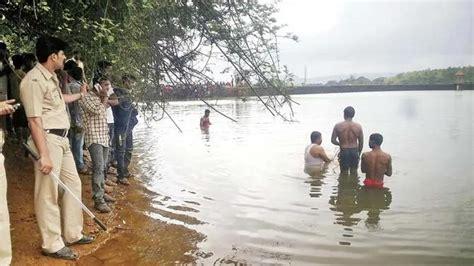
In addition to limiting access to specific locations, the prohibitory orders prohibit high-risk activities that typically attract thrill-seekers. Swimming in swift-moving waters and sitting beneath waterfalls—activities that can be perilous during the monsoon season—are banned outright. Furthermore, authorities have placed restrictions on taking selfies or photographs in areas with steep cliffs and sharp turns, given the considerable safety hazards these locations present. The risks associated with these actions, including slips, falls, and drowning, have necessitated intervention. Moreover, any form of alcohol consumption near waterfalls, rivers, or other bodies of water is strictly forbidden, as intoxication can significantly exacerbate the risk of accidents.
Prohibited Behaviors and Traffic Control
The new regulations extend beyond mere physical safety to encompass issues of public decorum and environmental preservation. Any acts of harassment, verbal misconduct, or lewd gestures toward women in public spaces will be treated as serious violations. Similarly, behaviors contributing to noise pollution, such as playing loud music, setting up DJ equipment, or using vehicle-mounted speakers, are also prohibited. Authorities are keen to curb air, water, and sound pollution, ensuring that both visitors and local residents are mindful of their environmental impact.
Traffic congestion has emerged as a major challenge during peak tourist seasons; hence, the district has imposed strict vehicle restrictions near sensitive areas like waterfalls, rivers, and dams. All types of vehicles—be they two-wheelers, three-wheelers, four-wheelers, or larger vehicles—are banned from entering these regions, except for essential services. This measure aims to maintain order and protect the fragile ecosystem while ensuring safe passage for emergency services.
Enforcement and Legal Consequences
The district administration has made it unequivocally clear that individuals or organizations found violating these orders will face legal repercussions. Under Section 223 of the Bharatiya Nyaya Sanhita, 2023, violators will be held accountable and may face penalties or other legal consequences. These measures are crucial for mitigating the impact of large tourist crowds on the fragile ecosystem and ensuring that the region remains a safe and welcoming haven for all. The steps taken are not only aimed at safeguarding human life but also at reducing the environmental footprint left behind by tourists, easing the strain on local infrastructure and resources.
A Call for Responsible Tourism
As a beloved hill station, Lonavala’s natural beauty and historic landmarks are among its most cherished attractions. Yet, it is imperative to balance tourism with environmental conservation and safety. The monsoon season unveils the lush greenery and serene landscapes of Lonavala, making it an alluring destination for nature lovers and adventure enthusiasts. However, with the beauty of the rains comes the responsibility of ensuring safe and sustainable tourism practices.
The prohibitory orders instituted by the Pune District Collector aim to protect both visitors and the environment, ensuring that Lonavala remains a safe and enjoyable destination for years to come. As such, tourists are encouraged to comply with the new regulations and exercise caution when exploring the region’s famed landmarks and natural wonders. By respecting these measures, travelers can continue to revel in the splendor of Lonavala while actively contributing to the preservation of its ecological and cultural integrity. With informed choices and responsible behavior, the enchanting charm of Lonavala can be enjoyed safely, even amid the enchanting monsoon rains.