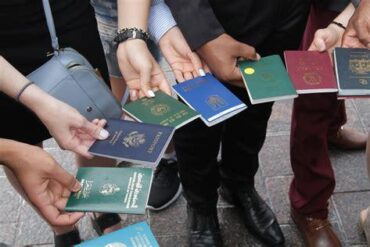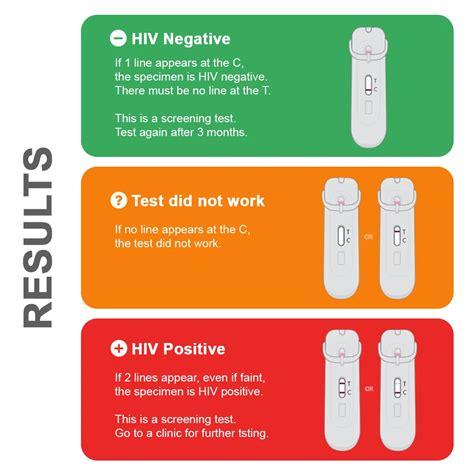
Oman has introduced a new entry requirement mandating a negative HIV test for travelers holding Philippine passports, a move that is already reshaping travel expectations and raising questions about consistency in border policies. The rule has surfaced not through formal government announcements, but via updated airline systems and mounting traveler reports, creating an atmosphere of uncertainty for those planning trips to the Gulf nation.
The requirement appears in airline verification systems, including those used by major carriers such as Emirates, where Filipino nationals selecting Oman as their destination are prompted to present proof of a negative HIV test prior to departure. While not officially confirmed in a public directive, the operational enforcement is evident: multiple travelers have reportedly been denied boarding for failing to meet the requirement.
This quiet rollout has amplified confusion. The Philippine Embassy in Muscat has acknowledged the lack of formal communication from Omani authorities, even as real-world cases continue to emerge. The disconnect between policy enforcement and official messaging has left travelers navigating a system where compliance is mandatory, yet clarity remains limited.

Airline Enforcement Signals Policy Shift
Airlines often act as the first line of immigration enforcement, and in this case, their systems are reflecting a firm stance. Carriers risk penalties if passengers arrive without proper documentation, which explains the strict pre-boarding checks now affecting Filipino travelers. The integration of health requirements into booking and check-in systems signals that this is not a temporary anomaly but a structured policy being implemented in practice.
What makes this development particularly striking is its application to tourists rather than migrant workers. Gulf countries, including Oman, have long required medical screenings—including HIV tests—for foreign workers seeking residency. Extending this requirement to short-term visitors marks a notable escalation in entry controls.
Contradictions in Oman’s Tourism Strategy
The timing of the rule introduces a layer of contradiction. Oman had recently moved to ease travel access for Filipino nationals by offering visa-free entry, a decision widely interpreted as an effort to boost tourism and strengthen bilateral ties. Imposing a medical prerequisite soon after effectively reinstates a barrier, albeit in a different form.
For leisure travelers, the added requirement introduces logistical and emotional friction. Securing a certified HIV test before departure may involve additional costs, time constraints, and privacy concerns. The policy risks discouraging spontaneous travel, undermining the very accessibility that visa-free entry was designed to create.
Rising HIV Cases in the Philippines: A Driving Factor
The decision appears linked to public health trends. According to data from the World Health Organization, the Philippines is experiencing the fastest-growing HIV epidemic in the Asia-Pacific region. Daily diagnoses have surged, with annual new cases increasing dramatically over the past decade.
By 2025, an estimated 252,800 Filipinos are living with HIV, reflecting a sharp upward trajectory. While these figures provide context for heightened caution, the targeting of a single nationality raises broader questions about proportionality and fairness in public health policy.
Health Policy Meets Social Stigma
Beyond logistics, the requirement touches on deeper societal issues. HIV remains heavily stigmatized in many parts of the world, and policies like this can reinforce misconceptions about transmission and risk. Modern medical understanding recognizes that individuals living with HIV can lead full, healthy lives, particularly with access to treatment.
Yet border policies often lag behind medical progress. The extension of HIV testing requirements to tourists suggests a precautionary approach that prioritizes exclusion over education, reflecting longstanding global disparities in how the condition is perceived and managed.
Implications for Travelers and Regional Policy
For Filipino travelers, the immediate takeaway is clear: documentation of a negative HIV test is becoming a de facto requirement for entry into Oman. Until official clarification emerges, compliance is the only reliable path to avoid disruption.
More broadly, this development could signal a shift in how certain destinations approach health-based entry controls. If replicated elsewhere, such measures may redefine the balance between public health safeguards and open travel, setting a precedent that extends well beyond a single corridor between Southeast Asia and the Middle East.