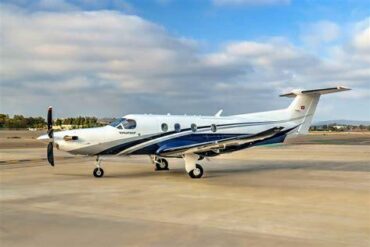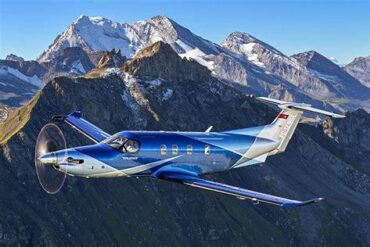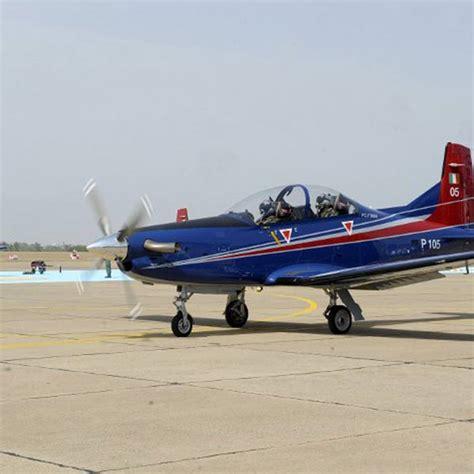
The Pilatus PC-7 stands as one of the most iconic and versatile trainer aircraft in the world. Developed in Switzerland, this tandem-seat turboprop trainer has earned its reputation for being a reliable and capable aircraft, designed for a range of training scenarios that include aerobatics, instrument flying, tactical, and night flying. Since its introduction in 1978, the PC-7 has been embraced by air forces around the globe, playing an essential role in military and civilian aviation. In this article, we explore the history, features, specifications, and global influence of the Pilatus PC-7, along with the various upgrades and variants that continue to make it a preferred choice for many air forces today.
Introduction to the Pilatus PC-7
The Pilatus PC-7 is a product of Swiss engineering, built by Pilatus Aircraft, a company renowned for producing high-quality aircraft designed for a range of military and civilian applications. The PC-7 was developed as a basic trainer aircraft, following the success of the Pilatus P-3. It combines the utility of a turboprop engine with a sleek new wing design, optimizing both performance and fuel efficiency. The aircraft’s primary role is to train pilots in fundamental skills such as basic aerobatics, instrument flying, and tactical operations.
The design of the PC-7 prioritizes both safety and simplicity, making it an excellent choice for trainee pilots. Over 600 units have been delivered worldwide, and the aircraft continues to be a staple in many air forces. As of today, its versatility is further showcased through its use in combat, aerobatics, and civilian applications.
Design and Features of the PC-7
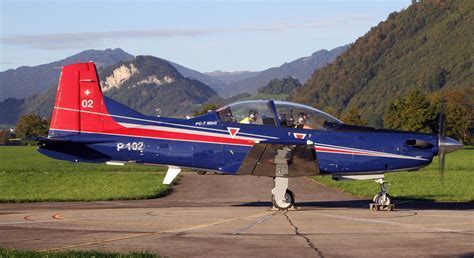
The Pilatus PC-7 features a number of innovative design elements that set it apart from other trainer aircraft. The combination of a low-maintenance turboprop engine and an advanced airframe design makes the PC-7 highly cost-effective to operate. The aircraft is equipped with a powerful Pratt & Whitney Canada PT6A-25C turboprop engine, which provides sufficient power for both training maneuvers and operational flexibility.
Engine and Performance
The PC-7’s engine, the PT6A-25C, is renowned for its reliability and endurance, which are critical factors for training purposes. With a maximum output of 1,600 horsepower, the engine ensures that the aircraft can reach speeds of up to 412 km/h, making it capable of executing demanding aerobatic routines and training exercises. The aircraft has a range of 1,200 km, which is sufficient for long-distance navigation exercises during training missions.
One of the key features of the PC-7 is its ability to operate in various environments, from short airfields to high-altitude operations. Its service ceiling of 10,060 meters allows it to perform effectively in a wide range of atmospheric conditions.
Airframe and Design Adaptations
The airframe of the PC-7 was developed to be robust and agile, perfect for both novice pilots and experienced flight instructors. The aircraft’s new wing design, which was an improvement upon the older Pilatus P-3 design, allows for greater maneuverability during training operations. The wings are designed for stability during high-G maneuvers, which are common in training exercises.
Furthermore, the tandem-seat configuration allows both the instructor and trainee to be seated side by side, offering better visibility and communication during training sessions. This arrangement also enhances the ability of the instructor to monitor the trainee’s actions and offer immediate feedback.
Variants of the Pilatus PC-7
Over the years, the Pilatus PC-7 has undergone various upgrades and iterations, with several variants developed to meet the changing needs of air forces and civilian users worldwide. These variants reflect the aircraft’s adaptability and its ability to evolve with modern aviation standards.
PC-7 Mk.II M
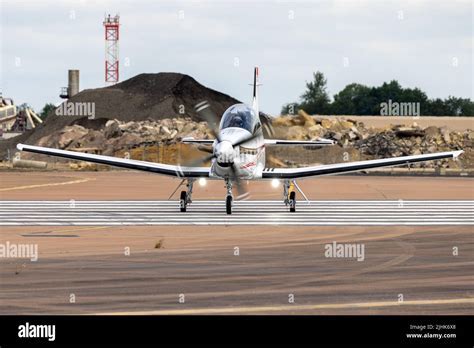
The PC-7 Mk.II M, introduced in the 1990s, was a significant upgrade over the original PC-7. This version combined the airframe of the larger PC-9 with the smaller and more fuel-efficient engine of the PC-7. The result was an aircraft that retained the agility and efficiency of the PC-7 while benefiting from the advanced avionics and airframe of the PC-9. The Mk.II M also incorporated several avionics upgrades, making it a highly capable trainer aircraft for contemporary military and civilian training needs.
PC-7 MKX
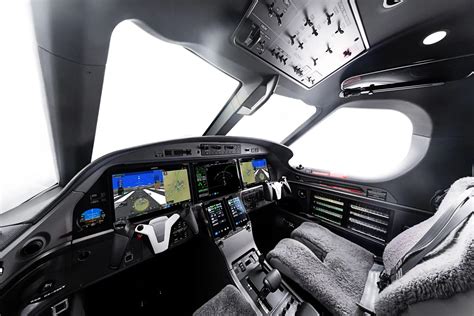
In recent years, Pilatus introduced the PC-7 MKX, an even more advanced variant of the PC-7 family. This model features the latest in avionics and flight control systems, offering even greater training capabilities. The PC-7 MKX is equipped with a glass cockpit, improved navigation systems, and modernized flight controls that enhance both training efficiency and pilot safety. Its ability to simulate a variety of modern combat scenarios makes it a highly valuable tool for advanced flight training programs.

NCPC-7
Another notable variant of the PC-7 is the NCPC-7, which is a special version tailored for use by the Brazilian Air Force. This variant features modifications to the engine, wing design, and avionics to meet specific operational requirements. The NCPC-7 offers enhanced performance in both military and civilian applications and continues to serve as a critical asset in Brazil’s pilot training operations.
Pilatus PC-7 Around the World
Since its introduction in 1978, the Pilatus PC-7 has become a globally recognized aircraft, used by over 20 air forces around the world. Its simple design, reliability, and versatility have made it a favorite for military and civilian applications. Some of the most prominent users of the PC-7 include:
- Swiss Air Force: As the home nation of Pilatus Aircraft, Switzerland has long used the PC-7 as the backbone of its pilot training programs.
- United States: While not used by the U.S. military on a large scale, the PC-7 has been used for various training and evaluation purposes.
- Mexico: The Mexican Air Force has employed the PC-7 in combat situations, proving its capability in real-world operations.
- Iran: The PC-7 has also been used in Iran, where it played a role in military exercises and training, despite certain export restrictions.
- Brazil: The Brazilian Air Force is another major user of the PC-7, utilizing its capabilities for advanced training and operational missions.
Beyond these countries, the PC-7 has been widely adopted by numerous air forces and is regarded as a valuable training tool. Its versatility is especially apparent in the number of countries that have chosen it for combat operations. For instance, in countries like Guatemala and Chad, the PC-7 has been used in various military conflicts, providing tactical support and training for new pilots.
Combat Use and Applications
While primarily designed as a trainer aircraft, the Pilatus PC-7 has proven itself capable of supporting combat operations. Its design allows for light attack missions, reconnaissance flights, and close air support. In Mexico, for example, the aircraft has been used in counter-narcotics operations and border patrol missions. Its agility and the ability to operate from shorter airstrips make it a valuable asset in these environments.
The Pilatus PC-7’s Role in Civil Aviation and Aerobatics
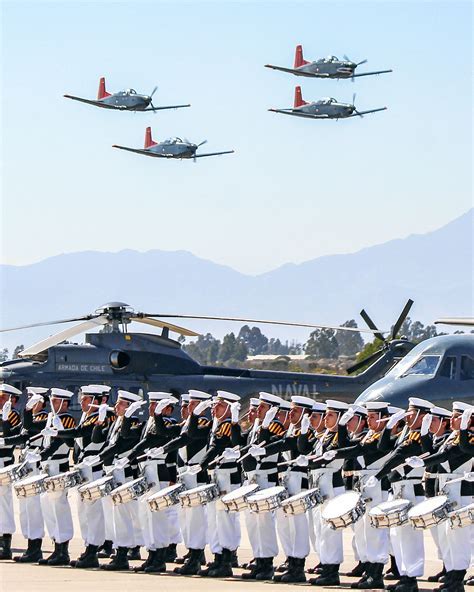
Aside from its military applications, the Pilatus PC-7 has found a role in civilian aviation, particularly in aerobatic displays and flight training. Its high-performance capabilities make it an ideal platform for aerobatic teams around the world. The PC-7 is also utilized by flying schools for both beginner and advanced flight training, thanks to its easy-to-handle flight characteristics and cost-effectiveness.
In aerobatic competitions, the PC-7 has demonstrated its impressive agility, capable of performing a wide range of aerial maneuvers with precision. This versatility has allowed it to become a key aircraft in several air shows, where it often performs alongside other trainer and military aircraft.
Conclusion
The Pilatus PC-7 has proven itself to be one of the most versatile and reliable trainer aircraft ever built. From its design and performance features to its widespread adoption across the globe, the PC-7 has become an essential part of both military and civilian aviation. As new variants continue to evolve, the Pilatus PC-7 remains a key player in the training of the next generation of pilots, providing a unique combination of cost-efficiency, performance, and flexibility.
Whether used for basic flight training, aerobatic displays, or combat support missions, the Pilatus PC-7’s adaptability and reliability ensure its continued success for years to come.