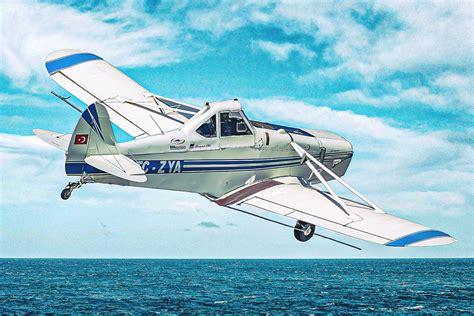
Piper Aircraft, Inc. stands as one of the most prominent names in the world of general aviation. Established in 1927, this iconic company has continually reshaped the landscape of light aircraft manufacturing, earning a place among the most revered brands in the aviation industry. Headquartered in Vero Beach, Florida, Piper has grown from a small regional player into a global powerhouse, crafting over 144,000 aircraft in 160 different models, with many of these still soaring in the skies today. In this article, we explore the history, impact, and ongoing evolution of Piper Aircraft, a company that has long been synonymous with reliability, innovation, and unmatched craftsmanship in the world of aviation.
The Origins of Piper Aircraft
The story of Piper Aircraft begins in 1927, when it was first founded as the Taylor Brothers Aircraft Manufacturing Company in Rochester, New York. The company was the brainchild of Clarence G. Taylor and his brother Gordon A. Taylor. However, it was not until 1928, shortly after Gordon’s tragic death in an aircraft accident, that the company saw a pivotal shift. The company was rebranded as Taylor Brothers Aircraft Corporation and moved to Bradford, Pennsylvania, with a financial investment from William T. Piper, an oil engineer who would eventually play a central role in the company’s future.
By 1930, after a series of financial struggles, Piper took control of the company, which was then renamed Taylor Aircraft Company. Piper, known for his vision and strong business acumen, believed that a simple and affordable aircraft would appeal to the masses even during the Great Depression. This led to the creation of the E-2 Cub, an affordable light aircraft that would come to define the company and the aviation industry as a whole.
The Iconic Piper Cub and Early Success
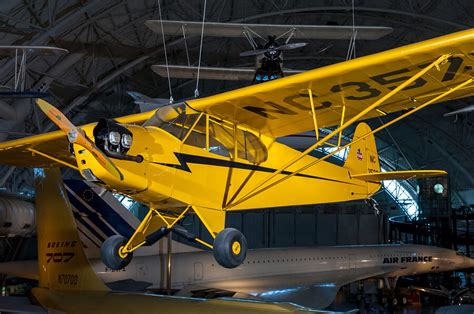
In the 1930s, Piper Aircraft faced significant challenges, including bankruptcy in 1930, but through sheer determination and vision, the company surged ahead. The turning point came with the release of the Piper J-3 Cub, a two-seat, high-wing monoplane that quickly became one of the most popular and iconic aircraft in history. Renowned for its affordability, simplicity, and reliability, the J-3 Cub became the preferred training aircraft for countless pilots across the world. The Cub’s success laid the foundation for Piper’s future, establishing the company as a key player in general aviation.
World War II and Piper’s Military Contributions
Piper’s contributions to the aviation industry expanded beyond civilian aircraft, especially during World War II. The company’s J-3 Cub was adapted into a military version known as the L-4 Grasshopper. Over 5,900 of these aircraft were built for the U.S. military, where they served as reconnaissance and liaison planes. The L-4 played a critical role in wartime communications and intelligence gathering, showcasing Piper’s capacity to meet both civilian and military aviation demands.
During the war, Piper also expanded its operations to meet increased demand, building training gliders and components for other manufacturers. After the war, the company shifted back to civilian aircraft production, continuing to innovate and expand its product range. It was in this period that Piper cemented its status as one of the “Big Three” aircraft manufacturers alongside Beechcraft and Cessna.
Post-War Expansion and Challenges
In the post-war years, Piper Aircraft faced the challenges of a changing economy and shifting demand. Despite producing a record number of aircraft in 1946, the company faced significant financial hurdles, including a severe strike that led to a shortage of materials and workforce reductions. These difficulties resulted in a loss of market leadership, with competitors such as Cessna emerging as stronger contenders in the light aircraft market.
In 1948, Piper attempted to recover from these setbacks by acquiring Stinson Aircraft Company for $3 million, but financial instability continued to haunt the company. The postwar boom began to wane, and Piper faced declining sales through the late 1940s and early 1950s. Despite this, the company persevered, launching new models like the PA-14 Family Cruiser and the PA-15 Vagabond to reassert itself in the competitive market.
The 1950s and 1960s: Growth and Innovation
The 1950s marked a new chapter for Piper, beginning with the outbreak of the Korean War, which spurred demand for military versions of its aircraft. The company’s decision to diversify its product lineup proved successful, and Piper began producing a wider range of civilian aircraft. One notable introduction was the PA-23 Apache, Piper’s first twin-engine aircraft, which expanded the company’s portfolio beyond single-engine planes.
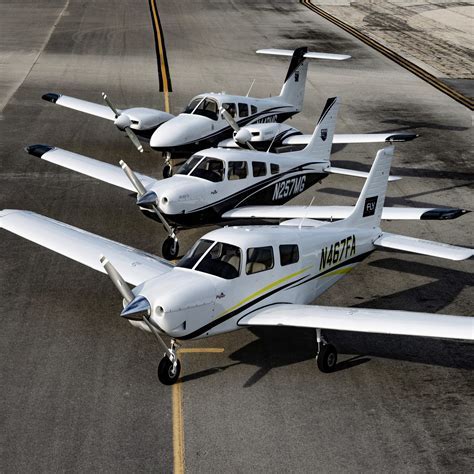
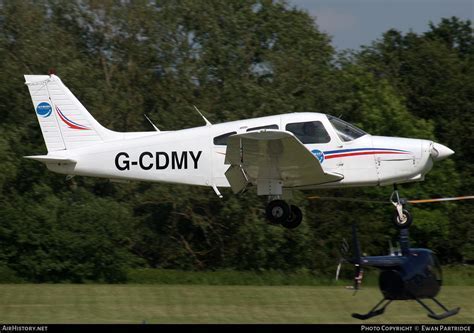
The 1960s brought further innovation, with the launch of the PA-28 Cherokee, one of Piper’s most successful aircraft models. The Cherokee became an industry standard for training pilots and private owners, and it helped solidify Piper’s reputation for creating versatile, reliable, and affordable aircraft. The company also introduced the PA-31 Navajo, a cabin-class twin-engine aircraft, which broadened its offerings to include more advanced planes suitable for both personal and commercial use.
The Financial Struggles and Transition in the 1980s and 1990s
By the late 1970s and into the 1980s, Piper Aircraft faced increasing financial pressures due to rising product liability insurance premiums and a changing aviation market. The company was sold to a series of corporate owners, including Bangor Punta and Lear Siegler, which sought to revitalize Piper’s operations. However, financial struggles continued, with a major bankruptcy filing in 1991 that saw the company drastically reduce its workforce.
Despite these challenges, Piper emerged from bankruptcy in 1995, rebranded as New Piper Aircraft. The company began to rebuild, focusing on more efficient operations and new product development. The launch of the Piper Meridian and other aircraft models helped the company regain a foothold in the aviation market.
The Brunei Ownership and Recent Developments
In 2009, Piper Aircraft underwent another significant change when it was acquired by Imprimis, an investment firm funded by the Government of Brunei. The new ownership marked a fresh chapter for the company, with a focus on innovation and global expansion. During the 2010s, Piper introduced new aircraft models, including the Piper M700 Fury, which debuted in 2024. The M700 Fury, a high-performance single-engine aircraft, received international certification from multiple aviation authorities, including the European Union Aviation Safety Agency (EASA) and the Civil Aviation Safety Authority (CASA) of Australia.
In addition to introducing new aircraft, Piper has also seen significant success in the global market. The company received large orders for trainer aircraft, including a landmark order in 2018 for 152 aircraft from Fanmei Aviation Technologies in China, followed by another major order in 2019 for 240 aircraft from L3 Commercial Aviation. These deals are a testament to Piper’s ongoing relevance in the competitive aviation market and its ability to meet the needs of flight schools, commercial operators, and private owners worldwide.
Looking Toward the Future: Piper’s Ongoing Commitment to Innovation
Piper Aircraft continues to push the boundaries of aviation technology, with a focus on producing aircraft that are not only reliable and efficient but also environmentally conscious. The company’s commitment to innovation is evident in its latest endeavors, including the development of the Piper M700 Fury, which is designed to operate in diverse conditions and deliver exceptional performance.
As the company moves into the 2020s and beyond, it remains committed to its legacy of producing world-class aircraft that cater to a wide range of customers. Whether it’s training the next generation of pilots or providing advanced aircraft for corporate and personal use, Piper Aircraft remains a key player in the ever-evolving aviation industry.
Conclusion: The Legacy of Piper Aircraft
From its humble beginnings in 1927 to its current status as a leading global manufacturer, Piper Aircraft has been a cornerstone of the aviation industry. Its iconic aircraft, such as the Piper Cub and the PA-28 Cherokee, have shaped the history of flight training and general aviation. Through periods of financial difficulty and intense competition, Piper has shown resilience, adaptability, and an unwavering commitment to excellence. As the company continues to innovate and grow under the ownership of the Government of Brunei, Piper Aircraft’s legacy is sure to endure for many years to come.