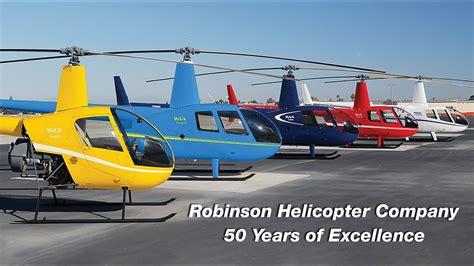
Founded in 1973 by visionary engineer Frank D. Robinson, the Robinson Helicopter Company has grown into one of the most recognizable names in light civilian rotorcraft manufacturing. Headquartered at Zamperini Field in Torrance, California, the company has delivered over 12,000 helicopters worldwide, offering a suite of models tailored to private owners, flight schools, and government agencies. With a commitment to simplified design and affordability, Robinson has remained a disruptive force in an industry traditionally dominated by much larger, costlier aircraft.
Its rise, however, has not been without challenges. While Robinson helicopters have achieved impressive sales figures globally, they’ve also been subject to repeated scrutiny due to mast-bumping incidents — a rotorcraft phenomenon that has raised safety concerns, particularly in regions like New Zealand and the United States.
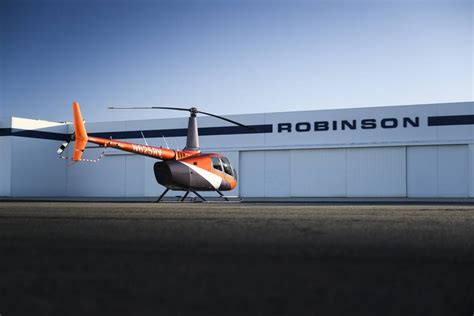
Origins of a Vision: Frank D. Robinson’s Engineering Legacy
Frank Robinson’s career began at established helicopter manufacturers such as Bell Helicopter and Hughes Helicopters, but he harbored a vision that diverged sharply from the mainstream. Instead of massive military-grade rotorcraft, Robinson believed in designing lightweight, low-cost helicopters that were simple enough for civilian operators. This belief led to the foundation of the Robinson Helicopter Company in 1973, with production commencing in earnest in 1979.
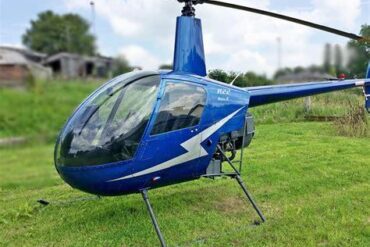
The R22, a two-seat helicopter powered by a Lycoming piston engine, was the company’s first product. With its responsive controls and relatively low operating costs, it quickly found a niche in pilot training schools and private ownership circles. Robinson’s approach to vertical aviation emphasized minimalism without compromising on performance — a philosophy that would define the company for decades.
The Model Lineup: Simplicity Meets Versatility
Robinson currently produces three core helicopter models and has announced a fourth in development:
- R22 Beta: A two-seat trainer with a piston engine, widely used by flight schools.
- R44 Raven II: A four-seat helicopter offering enhanced performance with Lycoming IO-540 engines.
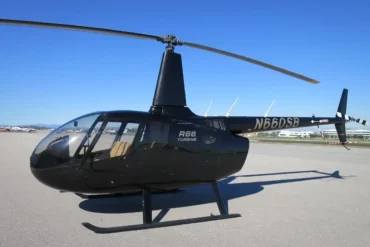
- R66 Turbine: A five-seat variant powered by the Rolls-Royce RR300 turbine, featuring improved cabin width and dedicated baggage compartment.
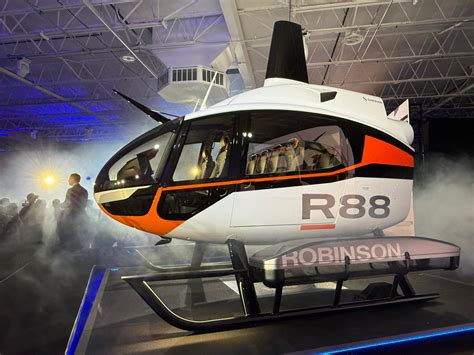
- R88 Concept: Unveiled in March 2025, this proposed ten-seat helicopter will use a Safran Arriel 2W turbine, marking Robinson’s move into a larger aircraft class.
Each of these models adheres to the company’s ethos of mechanical simplicity and cost efficiency. The R66 in particular, announced in 2007, represented a major evolution in Robinson’s portfolio by incorporating turbine power, long considered exclusive to larger, more expensive aircraft.
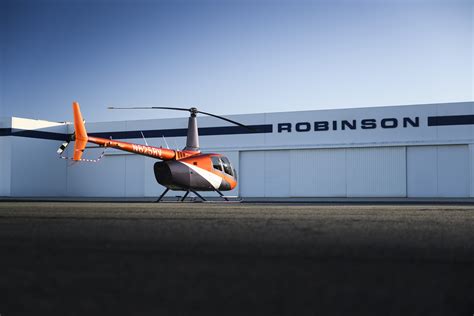
A Global Market Leader in Light Helicopters
By 2013, Robinson was the world’s leading producer of light helicopters, delivering 523 aircraft — an achievement that underlined its dominance in a segment often overlooked by larger aerospace firms. Even in years when production numbers dipped, such as in 2014 when 329 helicopters were sold, Robinson maintained a steady presence in global markets, particularly in flight training and aerial patrol.
As of 2025, the company employs approximately 1,300 staff and maintains the capacity to produce up to 1,000 helicopters per year, although actual output remains well below that figure. The facility in Torrance remains the sole manufacturing hub, giving Robinson full control over its vertically integrated production process.
Strategic Expansion into Unmanned Systems
In 2024, Robinson acquired Ascent Aerosystems, a firm specializing in tactical drone solutions for government and defense clients. This acquisition marked a notable diversification, signaling Robinson’s intent to expand beyond traditional manned rotorcraft into uncrewed aerial systems (UAS) — a domain with rapidly growing military and commercial demand.
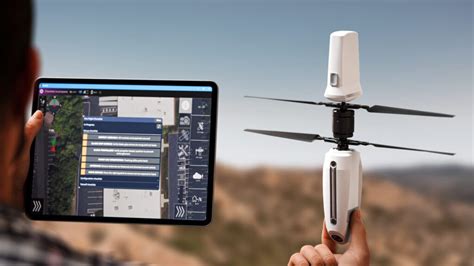
The move aligns with industry trends and positions Robinson to leverage its manufacturing expertise in an adjacent, high-growth market. As drone technology matures, the crossover potential in rotor dynamics, avionics, and lightweight materials could offer synergies for both manned and unmanned platforms.
Engineering Challenges: Mast Bumping and Rotor Design
Despite its engineering success and market penetration, Robinson has long been at the center of controversies surrounding rotor safety, particularly in connection with a phenomenon known as mast bumping. This aerodynamic condition occurs when a reduction in rotor load during low-G maneuvers causes excessive flapping, potentially leading to catastrophic rotor detachment.
Robinson helicopters use a semirigid, two-blade teetering rotor system, mounted atop an extended mast. While the system is patented and optimized for low weight and responsive control, it has been implicated in multiple fatal incidents across several countries.
One of the most comprehensive analyses came in 2016, when the New Zealand Transport Accident Investigation Commission (TAIC) released a report detailing 14 separate mast-bumping events involving Robinson aircraft, resulting in 18 fatalities. The report concluded that the rotor design was particularly vulnerable in low-G flight conditions, a stance echoed by multiple regulatory bodies.
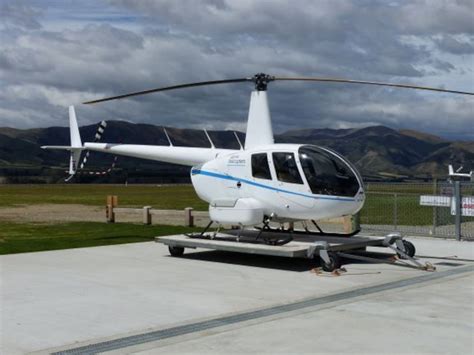
A 2018 article in the Los Angeles Times further highlighted the issue, reporting that the R44 — Robinson’s best-selling model — was frequently involved in in-flight breakups attributed to mast bumping. That same year, a U.S. lawsuit accused the company of defective manufacturing after an R66 disintegrated mid-flight due to suspected rotor failure.
While Robinson has publicly defended its rotorcraft as safe when flown within prescribed limits, the recurrence of these incidents has led some aviation authorities to issue advisories specific to Robinson helicopters, especially around turbulence, training procedures, and pilot awareness of low-G risks.
Manufacturing Capacity and Supplier Partnerships
One of Robinson’s strategic strengths lies in its tight supplier relationships, particularly with Rolls-Royce, which provides RR300 turbines for the R66 under a 10-year contract. The agreement covers up to 1,000 engines, ensuring a stable supply chain and cost predictability for the turbine-powered model.
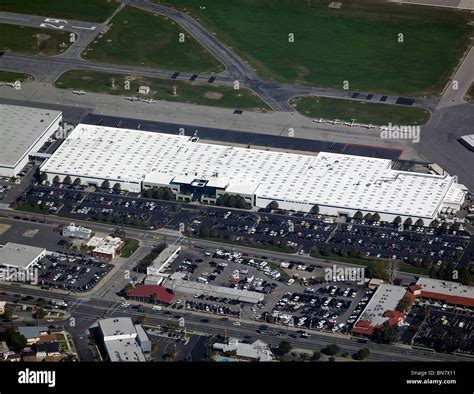
The company’s facility in Torrance spans several buildings and includes advanced CNC machining, automated painting systems, and test stands for both piston and turbine engines. All helicopters undergo rigorous flight testing before delivery, and the company maintains a worldwide dealer network for sales and service support.
Helipads and Vertical Infrastructure
Beyond aircraft, Robinson also manufactures the Robinson Helipad, a modular landing platform designed for light helicopters. These helipads are used in both private estates and commercial facilities, offering quick deployment and compliance with FAA safety guidelines. Their modular design allows customization for various terrains and wind conditions.
While not a core product line, the helipad reflects Robinson’s broader commitment to making helicopter operations accessible and infrastructure-light — a philosophy consistent with its aircraft design.
Future Outlook: The R88 and Beyond
In March 2025, Robinson surprised the industry by unveiling the concept for the R88, a ten-seat helicopter powered by the Safran Arriel 2W turbine. This marked a bold departure from the company’s historical focus on light helicopters and signals a strategic ambition to enter the mid-size rotorcraft market.
The R88, still in development, would compete with models from Bell, Airbus Helicopters, and Leonardo, potentially redefining Robinson’s role in global aviation. Its larger size and enhanced powerplant also raise the possibility of broader applications — including corporate transport, emergency medical services, and offshore logistics.
If successful, the R88 could represent the beginning of a new era for Robinson Helicopter Company — one defined not by affordability alone, but by a capacity to compete in performance, safety, and technological sophistication.
Conclusion: Innovation Amid Controversy
The Robinson Helicopter Company is a study in contrasts: a global leader in light helicopter production, an icon of engineering minimalism, and a subject of regulatory and legal scrutiny. It has democratized vertical flight, making helicopters more accessible than ever before, and yet continues to wrestle with fundamental questions about rotor design and operational safety.
As it ventures into larger platforms, embraces drone technologies, and explores new propulsion systems, Robinson stands at a pivotal moment. Its legacy — shaped by bold engineering, rapid production, and an ethos of utility — may yet evolve into a future where innovation and safety are more seamlessly aligned.