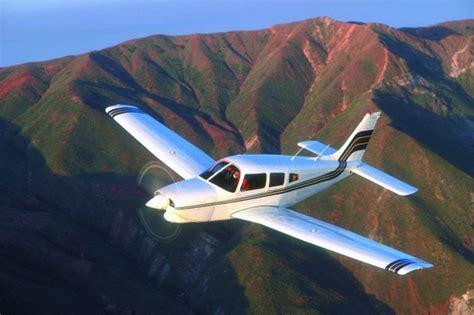
History of Piper Aircraft
Piper Aircraft began in 1927 as the Taylor Brothers Aircraft Manufacturing Company in Rochester, New York. Clarence and Gordon Taylor founded the business to produce the Taylor Chummy, a two-seat high-wing monoplane. The Chummy didn’t perform well commercially, and after Gordon died in a crash, Clarence moved the company to Bradford, Pennsylvania, accepting investment and a new factory in return. William T. Piper was the main investor. He initially worked with Clarence, but after a bankruptcy filing and a personal falling-out, Piper bought the company in 1935 and renamed it Piper Aircraft.
Piper’s first model was the E-2 Cub, followed by the iconic J-3 Cub, which became widely recognized. Military sales of the J-3 version helped the company during World War II and the Korean War. After WWII, Piper introduced the PA-15 Vagabond and its first all-metal twin, the PA-23 Apache, which debuted in 1954. In 1958, Piper entered the agricultural aviation space with the PA-25 Pawnee.
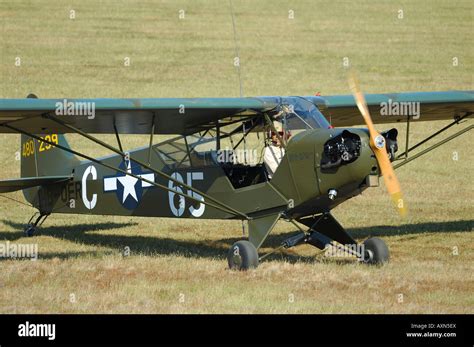
By 1960, Piper’s lineup included aircraft like the Apache, Aztec, Caribbean, Colt, Comanche, Super Cub, and Tri-Pacer. However, the Colt and Tri-Pacer were retired by 1961, giving way to the more successful Cherokee.
Designing the Piper Arrow
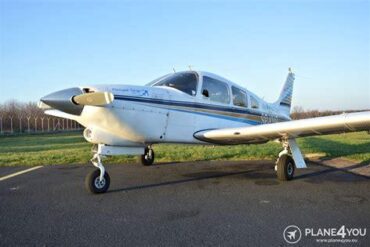
The Piper PA-28R Arrow originated from the Cherokee PA-28 family. The goal was to compete in the affordable single-engine market, which Cessna dominated with the 172. Piper’s Tri-Pacer wasn’t competitive in this segment. When the Cherokee 150 launched in 1961, it became a commercial hit. Soon, Piper expanded the line to include 180 and 235 horsepower models. More than 10,000 Cherokees were built.
By the mid-1960s, Piper turned its attention to the light, retractable-gear, four-seat aircraft market. Cessna hadn’t entered it yet, and Mooney had most of the market share. Using the Cherokee as a base, Piper developed the Arrow, which debuted in 1967.
Key Design Features of the Piper Arrow
Landing Gear
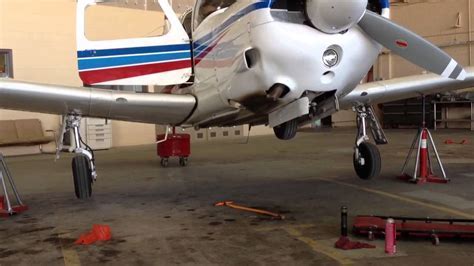
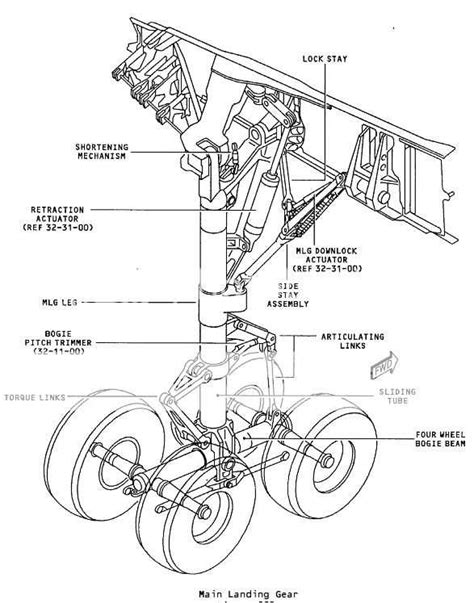
To support newer pilots transitioning from fixed-gear aircraft, Piper equipped the Arrow with automatic landing gear. This feature prevents premature retraction during takeoff and ensures deployment during landing if airspeed and power drop below specific levels. It’s a smart safety measure, helping pilots adapt to complex aircraft systems.
However, the auto-extension system hasn’t always worked perfectly. There have been cases where it malfunctioned—sometimes with deadly results. Piper later offered a kit to disable this system, but some pilots still prefer to keep it.
Wing Design
Before 1977, Arrows used “Hershey Bar” rectangular wings. The Arrow III introduced semi-tapered wings, a change that sparked ongoing debate among pilots. Tapered wings offer several advantages: they reduce bending stress, minimize induced drag, and often look better.
On the flip side, tapered wings tend to stall at the wingtips first, while rectangular wings stall from the root. That root-first stall pattern makes the aircraft more forgiving and less likely to spin. So, tapered wings are more efficient, but rectangular wings are usually safer in a stall.
Similarity to Cherokee
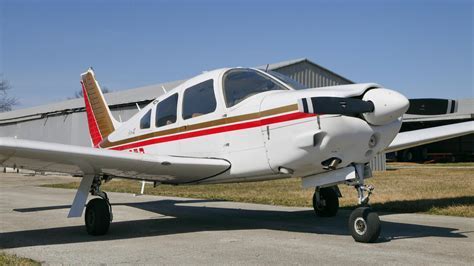
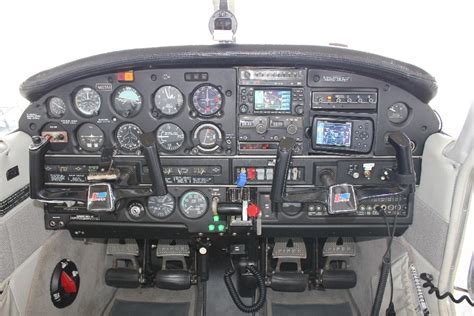
The Arrow shares its DNA with the Cherokee, both visually and functionally. It wasn’t a brand-new design but a retractable-gear version of the Cherokee. That’s actually a big plus for Cherokee pilots looking to step up. The gauges, systems, and handling are nearly the same, so transitioning is easier.
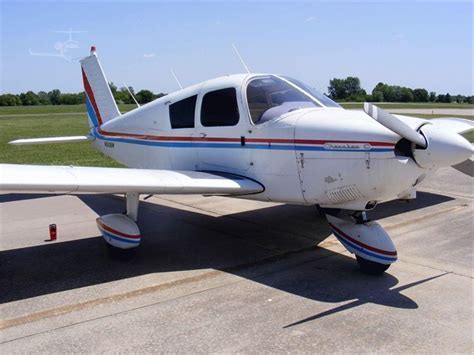
You can start on a two-seater Piper trainer, then move to a four-seat fixed-gear aircraft, and finally step into an Arrow without having to re-learn everything. Staying in the same product family makes that training path smoother and more consistent.
Flying the Piper Arrow
Flying the Arrow is described as reliable and uneventful—which, for a learning pilot, is exactly what you want. It handles well and delivers decent all-around performance.
That said, earlier models like the Arrow and Arrow II had smaller fuel tanks and limited range. This was fixed with the Arrow III, which came with bigger tanks. T-tail Arrows are generally less liked due to noticeable differences in performance across various speeds.
From a maintenance view, owners should be aware of wing spar crack issues in the PA-28 family. It’s crucial to stay up-to-date with inspections and comply with all airworthiness directives.
Purchasing a Piper Arrow
With close to 7,000 Arrows built, there are plenty still flying. You can buy a new one from Piper through a dealer or fleet program. A brand-new Arrow has a base price of about $228,700, while used models average around $43,000.
If you buy one, make room in your hangar—and maybe grab a desktop model, too. Once you own a Piper, you can join the Piper Owner Society to connect with other owners and participate in events.
Variants of the Piper Arrow
Over the Arrow’s 50+ years of existence, several variants have been released, each improving on the last.
Piper Arrow (PA-28R-180)
The first Arrow hit the market in 1967, powered by a 180 horsepower Lycoming IO-360-B1E engine and fitted with a constant speed propeller. Its base price was $16,900.
More than 1,100 original Arrows were sold during the first two years of production. That strong demand confirmed Piper’s design choices were right on track.
Piper Arrow (PA-28R-200)
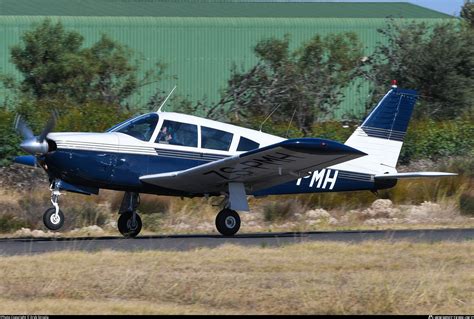
Soon after, Piper introduced a new version with a few smart upgrades. The PA-28R-200 came with a 200-horsepower Lycoming IO-360-C1C engine. Even with the extra power, it only cost $500 more than the original Arrow.
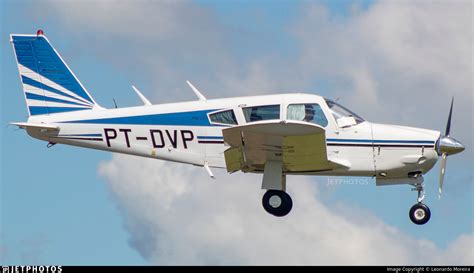
Piper Arrow II (PA-28R-200)
In 1972, the Arrow II arrived with a longer fuselage that gave passengers extra legroom. Piper also made the cabin feel more open by enlarging the door and windows. The design updates included a fresh paint scheme and some aerodynamic tweaks. It had a taller upswept rudder and a wing span that was stretched by 26 inches, helping improve climb rate and takeoff distance. A larger stabilator gave it better handling.
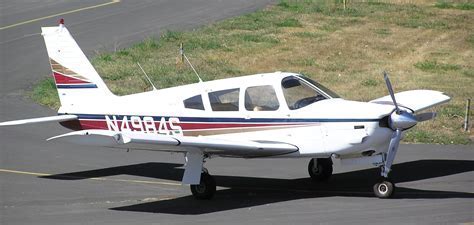
Piper Arrow III (PA-28R-201)
By 1977, the Arrow III brought a new wing shape to the lineup. While not completely new—it came from the Cherokee 140—the semi-tapered wing improved glide performance. It also raised the fuel capacity by 24 gallons compared to earlier models.
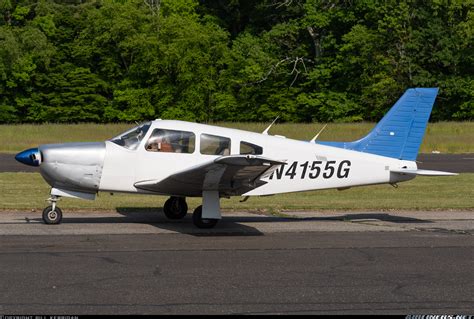
Piper Turbo Arrow III (PA-28R-201T)
That same year, Piper released its first turbocharged Arrow. It featured a Continental TSIO-360-F engine and a Rajay turbocharger. Pilots could even choose a three-blade propeller if they wanted.
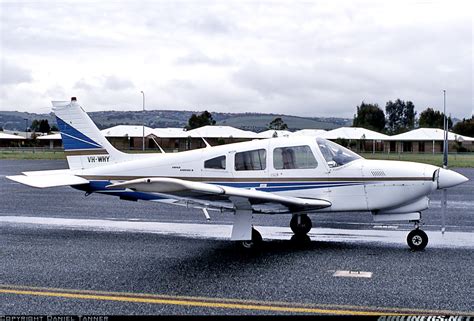
Piper Arrow IV (PA-28RT-201)
The 1979 Arrow IV came with a T-tail design. This was meant to reduce noise and improve handling. But in reality, the design change caused a loss in pitch control during landings. Because of that, Piper eventually moved away from the T-tail by the late 1980s.
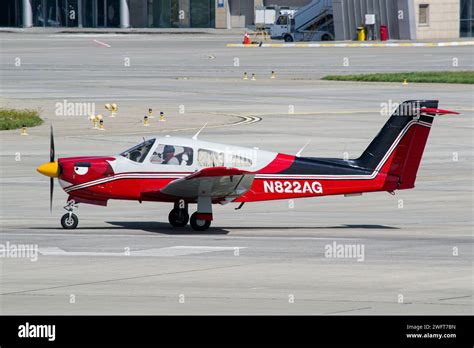
Piper Turbo Arrow IV (PA-28RT-201T)
Also in 1979, Piper released a turbocharged version of the Arrow IV. It came with the same 200-horsepower Continental TSIO-360-FB engine and shared the same T-tail design.
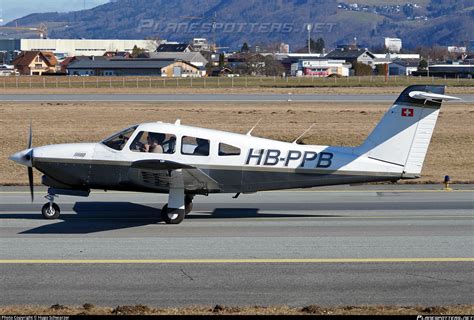
New Piper Arrow
After Piper Aircraft went bankrupt in 1991, the company was reformed in 1995 as New Piper Aircraft. By 2006, the original name and several classic aircraft were brought back, including the Arrow. The modern Arrow still runs on a 200-horsepower Lycoming IO-360-C1C6 and now comes with Garmin G500 avionics.
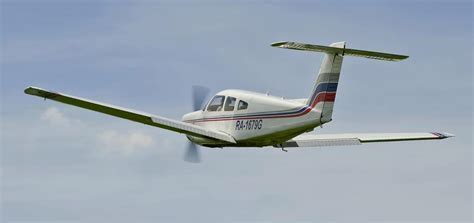
1970 Piper Arrow PA-28R-180 Specs
- Engine: Lycoming IO-360-B1E
- Horsepower: 180 hp
- Propeller: Hartzell 2-blade constant speed
- Length: 24 ft 3 in
- Height: 8 ft
- Wingspan: 30 ft
- Wing Area: 160 sq ft
- Wing Loading: 15.6 lb/sq ft
- Power Loading: 13.9 lb/hp
- Seats: 4
- Empty Weight: 1,380 lb
- Max Gross Weight: 2,500 lb
- Useful Load: 1,120 lb
- Baggage Capacity: 200 lb
- Fuel Capacity: 50 gal
Performance
- Takeoff Roll: 820 ft
- Over 50 ft Obstacle: 1,240 ft
- Climb Rate: 875 ft/min
- Top Speed: 186 KCAS
- Cruise Speed: 148 KCAS
- Stall Speed (Landing): 55 knots
- Stall Speed (Clean): 60 knots
- Fuel Burn: 9.4 gal/hr at 75% power
- Range: 550 NM
- Ceiling: 15,000 ft
- Landing Roll: 776 ft
- Landing Over 50 ft Obstacle: 1,340 ft
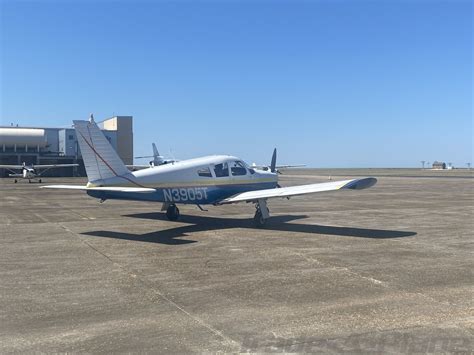
1972 Piper Arrow II PA-28R-200 Specs
- Engine: Lycoming IO-360-C1C
- Horsepower: 200 hp
- Length: 24 ft 7.25 in
- Height: 8 ft
- Wingspan: 32 ft 2.5 in
- Wing Area: 170 sq ft
- Wing Loading: 15.6 lb/sq ft
- Power Loading: 13.25 lb/hp
- Seats: 4
- Empty Weight: 1,499 lb
- Max Gross Weight: 2,650 lb
- Useful Load: 1,151 lb
- Baggage Capacity: 200 lb
- Fuel Capacity: 50 gal
Performance
- Takeoff Roll: 1,025 ft
- Over 50 ft Obstacle: 1,800 ft
- Climb Rate: 900 ft/min
- Top Speed: 186 KCAS
- Cruise Speed: 148 KCAS
- Stall Speed (Landing): 56 knots
- Stall Speed (Clean): 62 knots
- Fuel Burn: 10.15 gal/hr at 75% power
- Range: 600 NM
- Ceiling: 15,000 ft
- Landing Roll: 780 ft
- Landing Over 50 ft Obstacle: 1,380 ft
1988 Piper Arrow III PA-28R-201 Specs
- Engine: Lycoming IO-360-C1C6
- Horsepower: 200 hp
- Length: 24 ft 7 in
- Height: 7 ft 9 in
- Wingspan: 35 ft 4 in
- Wing Loading: 16.2 lb/sq ft
- Power Loading: 13.7 lb/hp
- Seats: 4
- Empty Weight: 1,603 lb
- Max Gross Weight: 2,750 lb
- Useful Load: 1,147 lb
- Baggage Capacity: 200 lb
- Fuel Capacity: 77 gal
Performance
- Over 50 ft Obstacle: 1,600 ft
- Climb Rate: 510 ft/min
- Top Speed: 186 KCAS
- Cruise Speed: 148 KCAS
- Stall Speed (Landing): 55 knots
- Stall Speed (Clean): 60 knots
- Fuel Burn: 12.7 gal/hr at 75% power
- Range: 695 NM
- Ceiling: 16,200 ft
- Landing Roll: 615 ft
- Landing Over 50 ft Obstacle: 1,525 ft
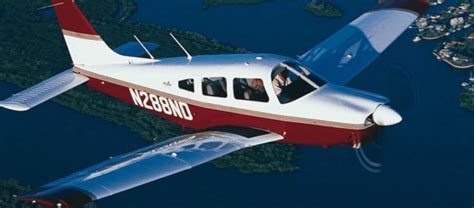
New Piper Arrow Specs
- Engine: Lycoming IO-360-C1C6
- Horsepower: 200 hp
- Propeller: McCauley 2-blade constant speed
- Length: 24 ft 8 in
- Height: 7 ft 10 in
- Wingspan: 35 ft 5 in
- Wing Area: 170 sq ft
- Wing Loading: 16.18 lb/sq ft
- Power Loading: 13.75 lb/hp
- Seats: 4
- Empty Weight: 1,798 lb
- Max Gross Weight: 2,758 lb
- Ramp Weight: 2,758 lb
- Useful Load: 960 lb
- Baggage Capacity: 200 lb
- Fuel Capacity: 72 usable gal
Performance
- Over 50 ft Obstacle: 1,600 ft
- Climb Rate: 831 ft/min
- Cruise Speed: 137 KTAS
- Stall Speed: 55 knots
- Fuel Burn: 10.5 gal/hr at 75% power
- Endurance: 6.5 hrs at 65%
- Range: 880 NM
- Ceiling: 16,200 ft
- Landing Over 50 ft Obstacle: 1,520 ft
Common Piper Arrow Problems
Overall, the Piper Arrow is known for being reliable. But like any aircraft, it’s not perfect. Some pilots report hydraulic landing gear issues, which can occur with many planes. Others mention weak low-speed performance and occasional over-rotation during takeoff. These aren’t major concerns and are pretty standard for similar aircraft. If you’re buying used, get a detailed inspection to avoid hidden problems. Proper maintenance will go a long way in keeping the Arrow running smoothly.
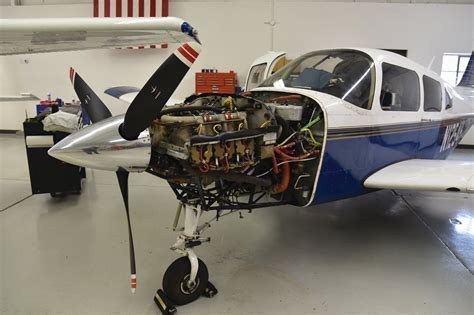
Where to Find Replacement Parts
You can get OEM and aftermarket parts from Piper Aircraft’s website. Other good places to check are eBay, Preferred Airparts, and Plane Parts Company. Having a parts catalog specific to your model will help you make sure you’re ordering the right stuff. And if you know a good mechanic, they might help you track down parts at better prices.
FAQ
- How fast is a Piper Arrow? Cruise speeds range from 130 to 143 knots. Turbo models can hit up to 170 knots.
- How much does a Piper Arrow cost? Prices vary from $33,000 to over $225,000 depending on the model and condition.
- How much horsepower does a Piper Arrow have? Most models offer 180 to 200 horsepower. Turbo engines stay at 200 hp.
- Is it hard to fly a Piper Arrow? Not at all. It’s beginner-friendly and perfect for new pilots.
- How much fuel does it burn per hour? Standard models use 9–12 gallons per hour. Turbo versions can use up to 14.
- What’s the range? Most Arrows fly between 300 to 700 nautical miles.