Preventative maintenance (PM) is an essential practice in various industries, ensuring the longevity of equipment, reducing downtime, and maintaining a safe and efficient working environment. It is a proactive approach that aims to prevent unexpected breakdowns, costly repairs, and extended periods of inactivity. In this comprehensive guide, we will explore the importance of preventative maintenance, its types, and best practices for implementing an effective PM strategy.
Why is Preventative Maintenance Important?
Preventative maintenance is the cornerstone of a successful asset management strategy. By performing maintenance tasks before equipment fails, businesses can avoid unplanned downtime and disruptions. Regular maintenance ensures that equipment is operating at optimal efficiency, reducing energy consumption, and extending the life of machinery. Additionally, it plays a crucial role in ensuring the safety of employees, as well-maintained equipment is less likely to malfunction or cause accidents.
Beyond these immediate benefits, preventative maintenance helps reduce the need for costly emergency repairs. When left unchecked, equipment failures can escalate into significant financial losses, both from repair costs and operational halts. PM ensures that equipment is always in the best condition, thus safeguarding the bottom line.
Why Do You Need a Preventative Maintenance Schedule?
A well-structured preventative maintenance schedule serves as a blueprint for all maintenance activities. It outlines when, where, and how maintenance tasks should be performed on specific equipment. This organization helps streamline the maintenance process, ensuring that all machinery is serviced on time and that no equipment is neglected. Regular maintenance also enables technicians to spot potential issues before they escalate into expensive or damaging failures.
Creating a preventative maintenance schedule can be complex, especially in large facilities with numerous machines and systems. To manage this complexity, companies often turn to CMMS software (Computerized Maintenance Management Systems) to track maintenance activities, optimize schedules, and ensure that technicians complete tasks on time.
Types of Preventative Maintenance
Preventative maintenance comes in several forms, each suited to different types of assets and operational needs. The most common types include:
-
Time-based Maintenance (TBM): This approach is based on a set time interval, such as performing a task every week, month, or quarter. It’s ideal for equipment that has a predictable wear-and-tear rate.
-
Usage-based Maintenance (UBM): Maintenance is triggered by the amount of usage a piece of equipment has endured. For example, a car might need oil changes after every 10,000 miles driven.
-
Condition-based Maintenance (CBM): This strategy involves monitoring the actual condition of equipment using sensors and other diagnostic tools. Maintenance is only performed when indicators show that performance is declining or failure is imminent.
-
Predictive Maintenance (PdM): Using advanced technologies like vibration analysis and thermal imaging, predictive maintenance forecasts when a piece of equipment is likely to fail, allowing for maintenance before a breakdown occurs.
When Should You Use Preventative Maintenance?
Preventative maintenance is not suitable for every type of equipment. It is most effective for assets that:
-
Have failure modes that can be mitigated with regular servicing.
-
Show a higher likelihood of failure as time or usage increases.
-
Are crucial to operations, safety, or production.
On the other hand, PM is not suitable for assets that have random failure patterns, such as complex electronic circuit boards, or for those that would incur higher costs to maintain than to replace.
Common Preventative Maintenance Tasks
A variety of tasks can be classified under preventative maintenance, including but not limited to:
-
Lubrication: Ensuring that moving parts are properly lubricated to reduce wear and tear.
-
Cleaning: Removing dust, debris, or corrosion to maintain smooth operation and prevent overheating.
-
Inspection: Regular checks for early signs of failure, such as cracks, leaks, or misalignments.
-
Replacement of parts: Changing out components like filters, belts, and seals before they fail.
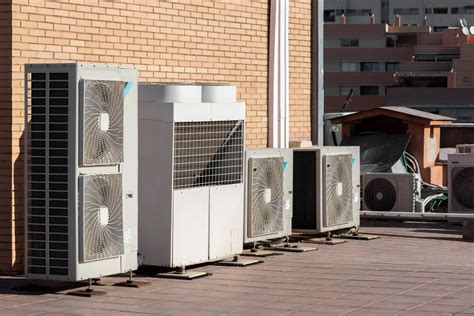
For example, within manufacturing facilities, ensuring that equipment in production lines is routinely serviced can prevent major failures that could halt production entirely. Similarly, HVAC systems, plumbing, and electrical equipment all benefit from a robust preventative maintenance plan.
Advantages of Preventative Maintenance
When executed correctly, preventative maintenance offers several key benefits:
-
Reduced Downtime: By catching issues before they cause equipment failure, businesses can avoid costly interruptions to operations.
-
Increased Equipment Lifespan: Regular maintenance extends the lifespan of equipment, delaying the need for costly replacements.
-
Cost Savings: While there is an initial cost involved in preventative maintenance, it saves money in the long run by preventing the need for expensive emergency repairs.
-
Improved Safety: Well-maintained equipment is less likely to malfunction in a way that jeopardizes worker safety.
-
Higher Efficiency: Routine maintenance keeps equipment running at peak efficiency, resulting in lower energy consumption and more consistent output.
Challenges of Preventative Maintenance
Although the benefits of preventative maintenance are clear, there are some challenges associated with implementing it:
-
Upfront Costs: Setting up a preventative maintenance program requires investment in tools, training, and possibly software systems.
-
Over-Maintenance: If not properly planned, preventative maintenance schedules can result in tasks being performed too frequently, wasting time and resources.
-
Complex Scheduling: As facilities grow and equipment needs become more diverse, managing maintenance schedules can become increasingly complex.
The Role of Technology in Preventative Maintenance
Advancements in technology have significantly improved the effectiveness of preventative maintenance. CMMS software helps maintenance teams stay organized, prioritize tasks, and track the performance of all equipment in real time. This software also integrates with IoT (Internet of Things) devices, enabling condition-based and predictive maintenance strategies.
For example, vibration sensors can detect early signs of failure in motors, pumps, and other machinery. Temperature sensors monitor the heat levels of electrical components to prevent overheating. With these tools, businesses can implement a data-driven approach to preventative maintenance, allowing them to anticipate issues before they escalate.
Preventative Maintenance in Different Industries
Preventative maintenance is vital across all industries, including manufacturing, healthcare, transportation, and facilities management. In manufacturing, PM ensures that production lines run smoothly, reducing the risk of delays and defects. In healthcare, PM of medical devices ensures they operate safely, maintaining compliance with regulations. For transportation companies, keeping fleets in peak condition reduces the likelihood of breakdowns that could disrupt services.

Conclusion
Preventative maintenance is a proven strategy that helps businesses and organizations minimize downtime, extend equipment lifespans, and reduce costs. By incorporating preventative maintenance schedules and leveraging modern technology like CMMS, businesses can maximize the efficiency of their operations. As industries continue to evolve, the role of preventative maintenance will remain central to optimizing performance and reducing unnecessary costs.
FAQ
What is the difference between preventative maintenance and reactive maintenance?
Preventative maintenance is performed before a failure occurs to reduce the risk of breakdowns, while reactive maintenance (or corrective maintenance) is performed after a failure to repair the equipment.
How often should preventative maintenance be performed?
The frequency of preventative maintenance depends on the type of equipment and its usage. Time-based and usage-based schedules are common, with tasks performed on a daily, monthly, or quarterly basis.
Can small businesses benefit from preventative maintenance?
Yes, small businesses can significantly benefit from preventative maintenance by avoiding costly repairs, reducing unplanned downtime, and maintaining safety standards.