Remote ID is a groundbreaking regulation introduced by the Federal Aviation Administration (FAA) that mandates unmanned aerial systems (UAS) to broadcast critical identification and location data while in flight. Often referred to as a ‘digital license plate’ for drones, Remote ID aims to enhance safety, security, and accountability in the rapidly expanding world of drone operations. This article delves deep into the Remote ID regulation, examining its purpose, the technology behind it, and its implications for both recreational and commercial drone operators. By understanding the full scope of Remote ID, stakeholders in the drone industry can better navigate compliance requirements, ensure safety, and contribute to a more secure airspace.
What is Remote ID?
Remote ID is a regulation that requires drones to transmit identifying information such as the drone’s location, altitude, speed, and operator’s details during flight. The objective is to create a real-time, publicly accessible digital identification system for drones, akin to how license plates function for vehicles. Remote ID is meant to serve as a solution to the growing need for monitoring drone activities, especially in populated areas, restricted airspaces, and regions where manned aircraft and drones could potentially share the same airspace.
In the past, drone flight often occurred without sufficient oversight or the means to track a drone’s location during operation. With the Remote ID rule, all drones (unless flown in specific designated zones) must broadcast certain critical information. This regulation is part of a broader effort by the FAA to integrate unmanned aerial vehicles (UAVs) into the National Airspace System (NAS) safely and efficiently.
Types of Remote ID
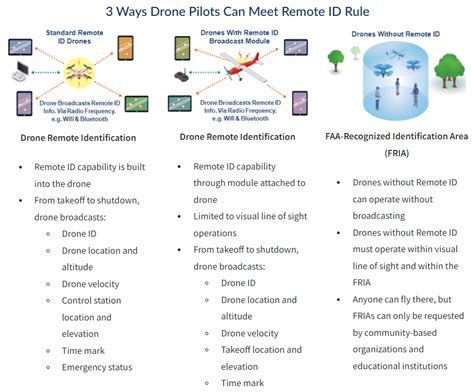
There are two primary ways that drones can comply with Remote ID requirements: Standard Remote ID and Remote ID modules.
- Standard Remote ID: This method involves the installation of Remote ID technology in the drone at the factory level. The hardware is built into the drone, and once activated, it transmits the required data during flight.
- Remote ID Modules: For drones that are not equipped with built-in Remote ID systems, operators can use removable Remote ID modules. These devices can be attached to the drone after purchase, providing the necessary compliance without requiring a complete redesign of the UAV.
Both options ensure that drones broadcast their identity and location information to public receivers such as smartphones and other compatible devices, allowing for easier identification by both aviation authorities and the general public.
How Remote ID Works
Remote ID relies on common wireless communication protocols to transmit the necessary data. There are two main types of communication methods utilized in Remote ID broadcasts:
- Wi-Fi: Wi-Fi technology is used for long-range communications. It operates in the 2.4 GHz and 5 GHz bands, which are common for most consumer electronics. Wi-Fi broadcasts provide a more extended range, allowing the drone’s information to be transmitted over greater distances, even up to several kilometers.
- Bluetooth Low Energy (BLE): For shorter-range communications, Bluetooth Low Energy is employed. BLE operates on the 2.4 GHz band but is designed for more localized interactions. While it has a shorter range, it is effective for areas where proximity is required, such as within a few hundred meters.
The transmitted information typically includes the drone’s unique identifier, GPS location, altitude, velocity, and other telemetry data, ensuring that anyone with a compatible device can access real-time data about the drone’s operation.
FAA-Recognized Identification Areas (FRIAs)
In some circumstances, drone operators can fly their unmanned aerial systems without Remote ID compliance. These exceptions are allowed in FAA-Recognized Identification Areas (FRIAs). FRIAs are designated geographical locations, such as model airfields, where unregistered drones or drones without Remote ID technology can be flown without broadcasting identification data.
These areas are often set up by community-based organizations like the Academy of Model Aeronautics (AMA) and may serve as safe zones for recreational drone enthusiasts. However, outside of FRIAs, all drones must comply with Remote ID regulations, regardless of whether the operator holds a license or the drone is registered.
The Importance of Remote ID for Safety and Security
The primary aim of Remote ID is to enhance airspace safety by improving visibility and accountability for drone operators. The regulation is designed to:
- Enhance public safety: By broadcasting a drone’s location and operator information, Remote ID helps ensure that authorities and the general public can identify and track drones in flight.
- Support national airspace integration: As drones become more integrated into the national airspace, the ability to monitor their activities is crucial for managing air traffic and preventing accidents between drones and manned aircraft.
- Foster accountability: Remote ID establishes a system that holds drone operators accountable for their actions. In the event of a violation or accident, authorities can trace the drone’s flight history and identify the responsible parties.
Regulatory Compliance and Enforcement
The FAA’s Remote ID rule went into effect in March 2021, with a compliance deadline for operators set for September 2023. The enforcement period is set to begin on March 16, 2024, after which non-compliant operators may face penalties. To ensure that drone operators understand and meet these new requirements, the FAA has also made resources available through the FAA Drone Zone, including educational materials and guides on compliance.
In the event of non-compliance, drone operators may face fines or other penalties, and the FAA has also developed a framework for reporting violations. While there was some legal pushback against Remote ID, including the RaceDayQuads v. FAA case, which attempted to challenge the rule on constitutional grounds, the FAA’s regulation ultimately prevailed. The courts sided with the FAA’s efforts to regulate drones and uphold safety standards in the national airspace.
Challenges and Criticisms
Despite its clear benefits, Remote ID has faced criticisms from various stakeholders in the drone community. One of the primary concerns is privacy. Some drone operators worry that Remote ID could enable the tracking of personal drone flights, potentially infringing on individual privacy rights. However, the FAA has addressed these concerns by ensuring that only certain information, such as the drone’s location and identifier, is publicly broadcast. Sensitive data like the operator’s personal contact information is not included in the broadcast.
Additionally, Remote ID has sparked debates within the drone racing community, where some pilots have expressed concerns about the impact of mandatory compliance on competitive events. The introduction of Remote ID modules, however, allows these operators to use Remote ID-compliant devices without requiring extensive modifications to their existing setups.
Future of Remote ID and Drone Regulations
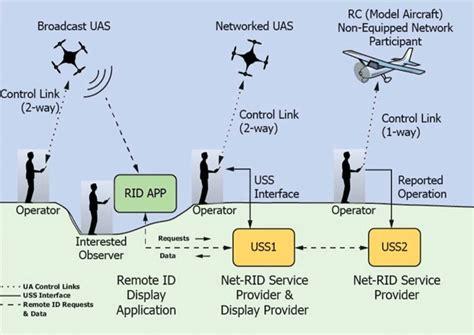
As drone technology continues to evolve, Remote ID is expected to play a pivotal role in shaping the future of unmanned aviation. The FAA is likely to continue refining the regulations, potentially incorporating more advanced tracking technologies, including network-based identification systems. The recent FAA Reauthorization Act of 2024 calls for a review of the Remote ID rule, particularly exploring alternative compliance mechanisms like network-based systems for remote identification.
As the regulatory framework evolves, drone manufacturers and operators will need to remain agile and prepared for further updates in Remote ID compliance. The goal is not only to improve safety but to ensure that the integration of drones into the National Airspace System is as seamless and efficient as possible.
Conclusion
Remote ID is a crucial step in the evolution of drone regulations, providing enhanced safety, security, and accountability for the growing number of unmanned aerial systems in the airspace. By understanding the technical aspects of Remote ID, the types of compliance methods, and the broader implications for the drone industry, operators can ensure they are prepared for the future of aerial technology. As the industry matures, it is clear that Remote ID will be a foundational component in the safe and effective integration of drones into the national airspace.