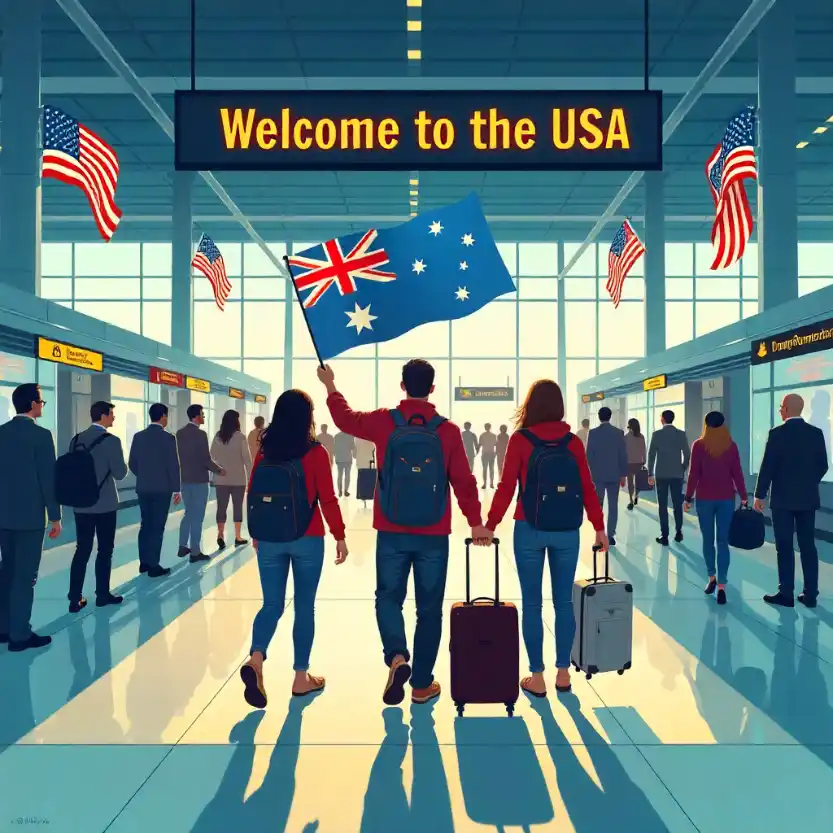
Australians are defying a global downturn in international travel to the United States, showcasing a remarkable resilience amid changing political climates and stringent border policies instituted during the Trump administration. Recent data from the Australian Bureau of Statistics (ABS) indicates that nearly 70,000 Australians visited the US in May 2025, marking an impressive 8% increase compared to the same period last year. Over the past year, travel from Australia to the US has risen by 4.8%, demonstrating a robust appetite for American experiences despite the backdrop of heightened scrutiny at the borders. The US warning level, according to the Australian Department of Foreign Affairs and Trade (DFAT), remains at its lowest tier, yet there are more nuanced alerts advising travelers to carry identification at all times and remain aware of potential detentions upon arrival.
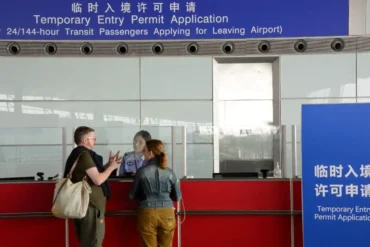
The Trump-era border policies, characterized by a commitment to “extreme vetting”, have instilled a sense of anxiety among many travelers. While some Australians express optimism about their journeys, others like Melbourne-based Laura Hall share stories of apprehension regarding entry procedures. Hall recounted her family’s experience while preparing for their trip to the US, voicing concerns over the possibility of being denied entry or subjected to invasive questioning about their social media presence. However, upon arrival, her experience was surprisingly seamless, as she shared, “I thought they’d screenshot my socials or grill us. It was smooth; we were even recommended restaurants by the officer.” This shift from anxiety to relief highlights the complex emotional landscape Australian travelers navigate today.
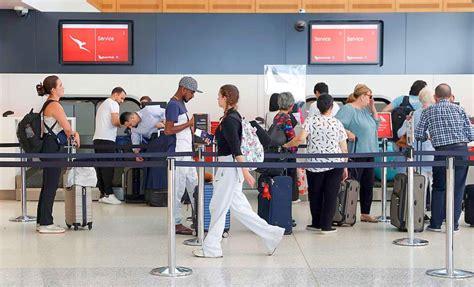
Despite the border anxiety, the trends in outbound travel indicate a strong desire among Australians to explore the US. Professor Dolnicar emphasizes that for many, traveling to the US remains a bucket-list destination. Yet, this eagerness coexists with growing concerns over privacy, as travelers are increasingly uncomfortable with the potential for border agents to scrutinize their phones and social media accounts. The tension between personal privacy rights and national security measures reflects a broader issue affecting not just Australians but travelers globally. As Dolnicar notes, this invasive atmosphere is seen as an affront to human rights, which could be fueling a sense of urgency among Australians to visit the US sooner rather than later. “There’s a sense of urgency. People think, ‘If I ever want to go to New York, I’ll go now, before it becomes more difficult,’” she states.
The desire for adventure remains strong, but the landscape of international travel is shifting. Although interest in the US persists, Australians are increasingly attracted to destinations closer to home. According to ABS figures, outbound travel from Australia increased by 12.5% year-on-year through May 2025, with significant growth in visitors to Japan, Vietnam, and China. This trend is largely attributed to Australians’ renewed comfort with international travel following pandemic-related lockdowns and restrictions. As disposable income rises and pent-up travel demand finds expression, many Australians are choosing shorter trips to nearby countries rather than long-haul flights.
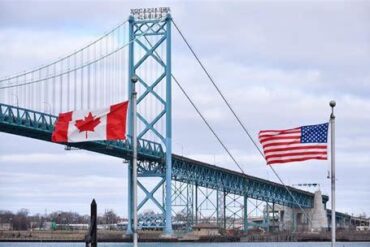
However, the current state of US tourism presents a mixed picture. The American tourism industry, which traditionally benefits from over $215 billion in annual spending from international visitors, faces challenges due to declining travel from certain regions, including Canada, parts of Europe, and the Middle East. The situation is particularly stark for Canadian travelers, who have reduced their visits to the US by 14% in the first half of 2025, driven by political tensions and trade issues. Furthermore, the Trump administration’s decision to cut funding to Brand USA, the country’s official travel agency, by $80 million threatens to diminish the visibility of the US as a prime destination for international tourists.
As if these factors weren’t enough, new regulations add layers of complexity for potential visitors. A recently introduced $250 “visa integrity fee” for most non-immigrant visa applicants could deter travelers from countries already hesitant to visit the US. While Australians traveling under the visa waiver program remain unaffected, experts warn that this additional cost may dissuade travelers from other nations where the US struggles to attract visitors. According to Dolnicar, this added financial burden, coupled with stringent border controls, could push potential tourists away, particularly from markets that are crucial for US tourism.
In conclusion, while Australians continue to traverse the globe and make their way to the US despite political and logistical obstacles, it is clear that broader issues—such as privacy concerns and evolving tourism policies—loom large on the horizon. The resilience of the Australian traveler is evident, driven by strong cultural connections and an insatiable curiosity about the world. However, as they navigate this landscape, the balance between security and openness will undoubtedly shape the future of tourism, both for the US and for countries like Australia. As Australians seize the opportunity to explore the US while they can, the ongoing dialogue about privacy and border interactions remains a significant factor that could influence travel patterns in the years to come.