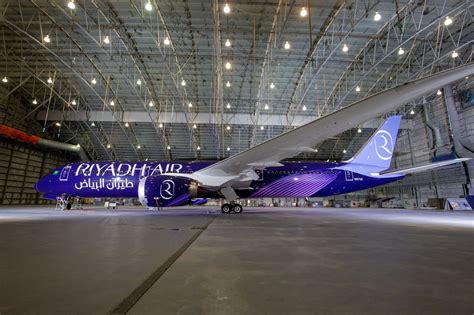
Saudi Arabia’s newest carrier, Riyadh Air, is rapidly shaping what could become one of the most influential airline networks in the Middle East. Created as a strategic pillar of the nation’s Vision 2030 economic transformation plan, the airline aims to turn the Saudi capital into a major global aviation hub connecting Europe, Asia, Africa, and the Middle East.
Even before its first fully commercial passenger flights begin, Riyadh Air has already revealed an ambitious blueprint: 15 international routes spanning some of the world’s busiest aviation markets. These routes appeared in the start-of-season slot allocation report for Riyadh’s airport ahead of the IATA Summer 2026 scheduling season, which runs from March 29 to October 24. While slot filings do not guarantee immediate launch, they reveal the airline’s network strategy and signal which destinations are likely to anchor its early operations.
The announcement offers the clearest picture yet of how the airline plans to compete with regional powerhouses such as Emirates, Etihad Airways, and Qatar Airways, all of which built global networks through massive connecting hubs.
A Strategic 15-Route Network Connecting Four Continents
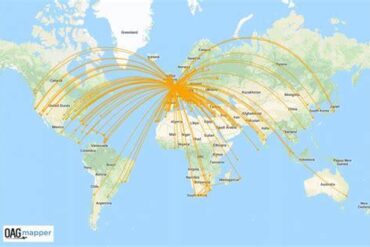
The initial network proposal includes 15 destinations across four major regions, combining high-volume regional markets with long-haul global cities. The network reflects Riyadh Air’s ambition to build a hub that captures both point-to-point demand and connecting passenger traffic.
Africa will be represented by Cairo, one of the busiest international markets from Riyadh. In Asia outside the Middle East, the airline is targeting major population centers including Bangkok, Islamabad, Jakarta, Kuala Lumpur, Lahore, Manila, and Mumbai. These cities represent enormous travel demand driven by labor mobility, tourism, and diaspora connections.
Europe will see four key gateways added to the network: London Heathrow, Madrid, Manchester, and Paris. Meanwhile, within the Middle East, Riyadh Air plans to serve Amman, Dubai, and Jeddah, linking the Saudi capital with some of the region’s most important business and religious travel markets.
What stands out is how carefully these destinations balance global prestige routes with extremely high-volume regional traffic, ensuring aircraft can maintain strong passenger loads from the very beginning.
Slot Filings Reveal Intentions Ahead of Commercial Launch
The disclosure of these routes came through airport slot filings submitted to Airport Coordination Limited, the organization responsible for allocating takeoff and landing times at slot-controlled airports worldwide.
Airlines must request slots well in advance for each IATA season. While these filings do not confirm a route will begin immediately, they serve as an important signal of planned network growth and operational intentions.
Riyadh Air has already been operating daily flights to London Heathrow since October, but these flights currently do not carry regular passengers. Instead, they serve a regulatory purpose tied to the “use-it-or-lose-it” slot rule, which requires airlines to utilize their allocated slots at least 80% of the time. These particular slots were originally obtained through the bmi slot release process, historically one of the most competitive slot allocation mechanisms at Heathrow.
Once ticket sales open, London is expected to become one of the airline’s flagship long-haul routes, linking Saudi Arabia’s capital with one of the world’s most influential aviation hubs.
High-Demand Markets Form the Backbone of the Network
A closer look at Riyadh’s passenger data reveals why many of these destinations were selected. Several routes on the list are among the busiest international markets serving the Saudi capital, with annual passenger numbers reaching into the hundreds of thousands—or even millions.
Cairo leads the list with approximately 2.3 million annual passengers traveling between Riyadh and the Egyptian capital. Dubai follows closely behind with around 2.2 million passengers, highlighting the strong business and leisure ties within the Gulf region.
South Asian routes also show enormous demand. In 2025 alone:
- Around 600,000 round-trip passengers traveled between Riyadh and Islamabad
- Manila recorded roughly 510,000 passengers
- Lahore handled approximately 375,000 travelers
- Mumbai saw around 267,000 passengers
- Jakarta generated about 149,000 travelers
- Bangkok attracted roughly 141,000 passengers
These routes are heavily supported by diaspora and visiting-friends-and-relatives travel, which typically generates lower ticket yields but extremely consistent passenger volumes. For a new airline building market presence, such demand can help ensure high load factors across its fleet.
Competition Awaits Across Most Routes
The majority of Riyadh Air’s proposed destinations are already served by one or more airlines. In fact, 13 of the 15 markets will involve direct competition, often with several established carriers.
For instance, the Riyadh–Lahore route currently hosts seven different airlines, while the Cairo market is served by an even larger number of competitors. Regional giant Saudia, Saudi Arabia’s national carrier, already operates flights to most of the cities included in Riyadh Air’s network plan.
This overlap raises an interesting question: will Saudia adjust its route network once Riyadh Air begins full operations? While both airlines serve different strategic roles, overlapping routes could lead to shifts in scheduling, aircraft deployment, or market focus.
Despite the competitive landscape, Riyadh Air appears confident that strong passenger demand and a modern fleet will allow it to carve out a significant market share.

Three Routes Stand Out as Untapped Opportunities
While most of the proposed destinations already have active airline service, three cities currently lack nonstop flights from Riyadh, giving Riyadh Air an opportunity to establish unique market positions.
Jakarta was last served by a nonstop Riyadh route in 2025, leaving a large travel market currently dependent on connecting flights. Madrid has not seen direct service from Riyadh since 2022, despite growing tourism and economic ties between Saudi Arabia and Spain. Meanwhile, Manchester appears to have had only limited historical service, with reports suggesting flights may have operated briefly in 2017.
Launching direct service to these cities could help Riyadh Air capture pent-up demand while establishing itself as a gateway between Europe, Southeast Asia, and the Middle East.
Fleet Strategy Designed for Global Reach
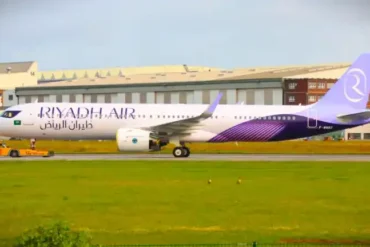
Supporting this growing network is a modern and versatile aircraft fleet. Riyadh Air has already placed major aircraft orders including:
- Airbus A321neo narrow-body jets for regional and medium-haul routes
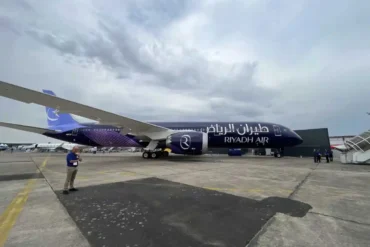
- Boeing 787-9 Dreamliners for long-haul international flights
- Airbus A350-1000 widebody aircraft for high-capacity intercontinental operations
This fleet mix allows the airline to tailor capacity to each route while maintaining fuel efficiency, range flexibility, and passenger comfort.
The Boeing 787-9 is widely expected to become the backbone of the airline’s early long-haul network, offering a balance between capacity and operating efficiency ideal for new intercontinental routes.
Riyadh’s Vision of Becoming a Global Aviation Hub
Beyond individual routes, the broader goal is clear: transform Riyadh into a major global transit hub. Much like Dubai, Abu Dhabi, and Doha before it, Saudi Arabia is betting that a strategically positioned airline can channel passengers between Europe, Asia, and Africa through a single hub airport.
By combining strong local demand with international connections, Riyadh Air aims to create a network where travelers from South Asia can connect to Europe, Southeast Asia to North Africa, and the Gulf to global business capitals.
If the airline successfully launches even a portion of these 15 routes during the upcoming scheduling seasons, it will mark the beginning of one of the most ambitious airline start-ups in modern aviation history—and potentially reshape the competitive dynamics of Middle Eastern air travel for decades to come.