If you’re planning to fly drones in windy areas, having a wind-resistant drone is essential. Without it, you risk not just poor image quality, but potentially crashing your drone. Looking for the best drones that can handle the wind? We’ve tested some top models to find the most stable, wind-resistant options.
Featured Drones
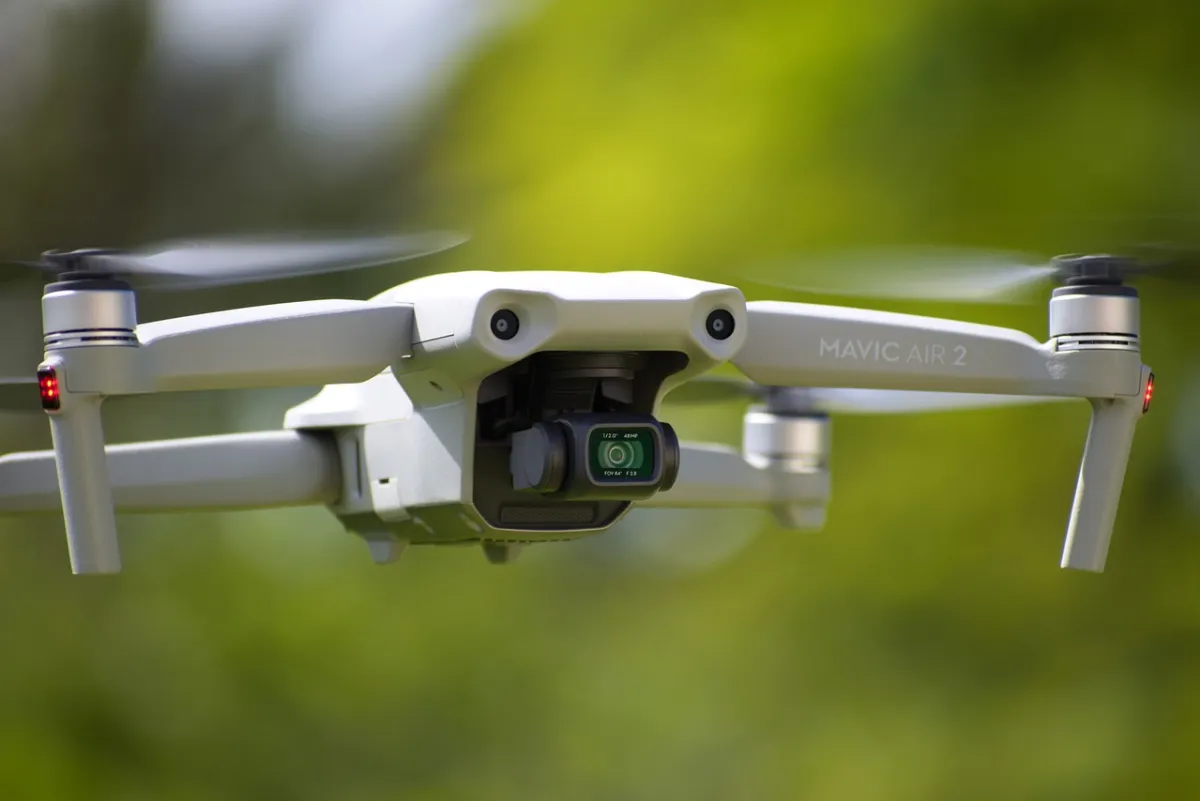
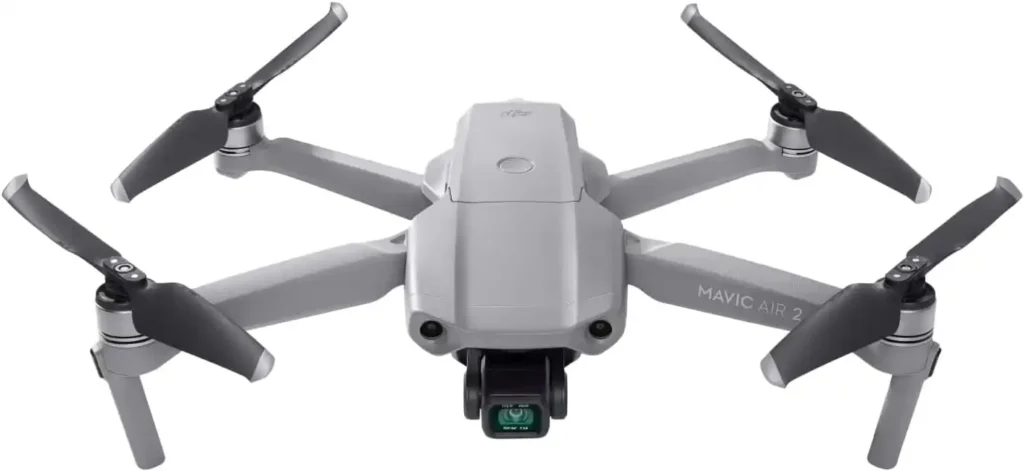
DJI Mavic Air 2
This drone is great for windy conditions. It’s heavy, ensuring a stable flight even when the wind picks up. It lets you capture stunning 4K video and quick 8K clips.
Highlights
- Enhanced Imagery: Capture 48MP photos and smooth 4K/60fps videos with ease.
- Extended Range: Enjoy up to 10 km video transmission with OcuSync 2.0.
- Longer Flights: Get up to 34 minutes of flight time for more epic shots.
- Smart Tracking: Use features like Spotlight 2.0 and ActiveTrack 3.0 for dynamic shots.
Autel Robotics EVO Lite+
Known for its powerful flight, this drone soars high, records 6K video, and stays up for an impressive 40 minutes. We’ll dive into its price, weight, camera quality, and other important details in this review.
Highlights
- High-Quality Imaging: 1-inch CMOS sensor with a 6K camera, adjustable aperture, and advanced night photography capabilities.
- Enhanced Safety Features: Three-way obstacle avoidance and long-range SkyLink video transmission ensure secure and reliable flying.
- Extended Flight Time: With an industry-leading 40-minute flight time and unique features like Dynamic Track 2.1 and SkyPortrait, you can enjoy creative shooting.
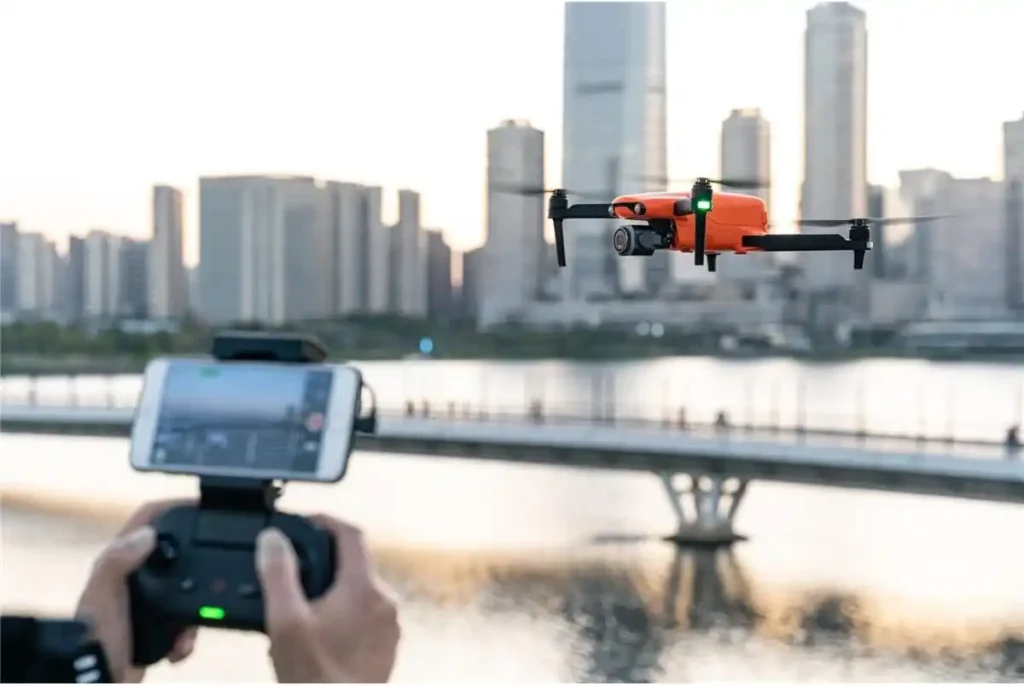
Wind Resistance in Drones
A high-wind drone is built with powerful motors and aerodynamic features to maintain stability even when conditions get rough. A wind-resistant drone will stay on course, no matter how strong the wind gets. Opting for a drone designed for these conditions can give you peace of mind.
Improved Stability
Wind-resistant drones come with advanced features like gyroscopes and sensors. These keep the drone steady, even when the wind is pushing against it, ensuring it stays on course. Unlike cheaper drones, which can easily drift off path, wind-resistant drones hold their ground.
Improved Control
High-end drones often come with tech that helps them stay on track in strong winds. Larger drones, typically heavier, are better equipped for windy conditions. Lightweight models may struggle, but some offer specialized features to combat this, allowing pilots to fly with accuracy and confidence.
Increased Durability
Wind-resistant drones are built tough. They often use strong materials that can withstand bumps or drops, reducing the likelihood of expensive repairs. Investing in a durable drone can save you money in the long run, as they are less likely to break during rough flights.
Extended Flight Time
Drones designed for windy conditions often come with powerful motors, allowing them to stay in the air longer despite the challenging weather. With these drones, you won’t need to worry about the battery dying too soon.
Safety and Reliability
Choosing a wind-resistant drone is also a matter of safety. These drones are designed to handle rough conditions, so you won’t have to worry about crashes or damage. They often come equipped with safety features like auto-return and obstacle avoidance, which help keep flights smooth and reliable, even in windy weather.
Flying drones in windy conditions may seem intimidating, but with the right drone and a little practice, you can enjoy safe and smooth flights—whether you’re capturing aerial shots or just having fun.
Wind and Its Impact on Drones
Flying drones in strong winds requires a reliable, stable drone for smooth and safe operation. Wind speed is usually measured in knots, and drones have a recommended maximum wind speed for safe flying, typically between 10-20 knots. Here’s how wind affects your drone:
Loss of Stability
Strong winds can make it hard for your drone to stay stable. It might drift or struggle to maintain altitude, especially if it’s lightweight or less aerodynamic. This can lead to wild, erratic flights or even crashes.
Reduced Control
Powerful gusts can make it difficult to steer your drone, particularly during takeoff, landing, or when navigating tight spaces. Mastering control in windy conditions takes practice, so be sure to prepare for these challenges.
Risk of Damage
Winds can push your drone into obstacles, causing damage. A hit to the propellers, motors, or camera arms can be costly to fix. In some cases, the damage might be so severe that you’ll need to replace the drone entirely.
Drain on Battery Life
When battling strong winds, drones need to work harder to stay in place, which drains the battery much faster. As a result, your flight time may be shorter than usual, and you might not be able to fly as far as you planned. Keep an eye on your battery levels to avoid a mid-flight shutdown.
Safety Concerns
Flying in strong winds can be dangerous, both for you and others around you. Wind can push your drone off course, possibly into people, buildings, or other objects. This could result in accidents or damage. Always check the wind speed before taking off and avoid flying in strong gusts. Use drones made for windy conditions to increase your chances of a smooth flight.
Factors to Consider When Picking a Drone for Windy Conditions
When selecting a drone for wind resistance, here are the key factors to consider:
- Wind Resistance Rating
Look for a drone’s wind strength score. This score tells you how well the drone can handle strong winds. Some drones provide this information in the form of a Beaufort scale rating or a wind speed in miles per hour (mph). A higher score means the drone is more capable in windy conditions. - Size and Weight
Larger, heavier drones handle wind better due to their size and powerful motors. They are more stable in gusty conditions, but their size can make them harder to carry and fly in tight spaces. Consider where you plan to fly your drone and choose one that’s suitable for that environment. Small drones are more likely to be pushed around by the wind, making them less effective in windy conditions. Keep this in mind when selecting a drone for flying in breezy areas. - Stability and Control Features
Look for drones that have excellent balance and control technology, such as gyroscopes, accelerometers, barometers, GPS tracking, and obstacle avoidance. These features help keep your drone steady when gusts hit, preventing accidents. Some models also have a fast mode designed to better handle strong winds. - Durable Construction
Drones made from strong materials are more likely to withstand tough conditions. They won’t crack or break when they hit walls or land hard. Choose drones made from carbon fiber, durable plastics, or metal alloys. Drones built with these materials are designed to last longer and perform better in windy environments. - Powerful Propulsion System
A drone’s propulsion system – including its engines, wings, and power cells – plays a big role in how well it handles the wind. A powerful engine can fight against the wind better than a weak one. Some drones even adjust the speed of their wings or use dual sets of wings to stay steady in rough air. Before buying, check the drone’s propulsion system to make sure it’s up to the task. - Long Flight Time
Choose drones that offer long flight times and good battery life, so you can fly without worrying about running out of power. Some models even allow you to quickly swap batteries to keep flying. Consider how long a drone can stay in the air, especially when it’s windy, before making your choice. - Flight Controller Features
A drone’s control system ensures it stays steady and responds accurately to your inputs. Look for drones with features like wind compensation, altitude hold, and precise hovering. These can significantly improve the drone’s ability to handle wind, giving you better control and more accurate flights.
Picking the Best Drone for Windy Conditions
Choosing a drone that can withstand tough winds is crucial for safe flying and capturing great photos or videos. We’ve done the research to help you pick the top drones for windy conditions!
1. DJI Drones
When it comes to wind resistance, DJI drones are some of the best. The DJI Avata is great in moderate winds thanks to its compact design and agility. Even in stronger winds, it holds its ground. The DJI Mavic Air 2 stands out as a top choice. It’s stable and reliable, even when the wind is strong. This drone comes with a high-res 48MP camera and can fly for up to 34 minutes, making it ideal for clear, sharp photos. The Phantom 4 Pro V2.0 is another excellent option, offering high-quality shots, even in windy conditions.
2. Other Notable Brands and Models
- Parrot Anafi: If you’re on a budget, the Parrot Anafi is the best cheap drone for windy conditions. It’s affordable, lightweight, and capable of handling moderate winds. It has a 4K HDR camera and lasts around 25 minutes in the air.
- Autel Robotics EVO Lite+: The Autel Robotics EVO Lite+ is perfect for crisp aerial shots. It features a 50MP camera and shoots HDR video. Even in strong winds, this drone captures sharp and vibrant images.
3. Drones Designed for Aerial Photography in Different Weather Conditions
- DJI Phantom 4 RTK: The DJI Phantom 4 RTK is designed for precision shots, even in bad weather. It’s ideal for tasks that require exact data, such as mapping or inspections. The RTK feature keeps the drone steady, ensuring clear images.
- FPV Drones: The DJI FPV drone is fun to fly and remains stable in windy conditions. It gives you an immersive flying experience, while also ensuring clear and steady videos. This drone is perfect for those who want a balance of excitement and reliability.
How Can You Check the Wind Conditions Before Flying a Drone?
Before you take off, it’s important to check the wind conditions to ensure a safe flight. Here are a few tools to help you do just that:
- The Anemometer: An anemometer is a small tool with spinning parts that measure wind speed. It works by counting how quickly the parts spin. To get an accurate reading, place the anemometer in an open area, away from large obstacles like trees or buildings. Hold it facing the wind, and it will show you the current wind speed as well as the average speed over time.
- The Windsock: A windsock is a simple tool that shows both the wind’s direction and strength. Set up a windsock on a pole in an open area, and it will indicate which way the wind is blowing. The way the sock moves can give you a sense of how strong the wind is.
- Mobile Apps: Checking the wind has never been easier thanks to mobile apps. Many apps today provide real-time wind data, pulled from nearby weather stations. These apps show wind speed and direction, helping you decide if it’s safe to fly your drone.
Tips for Flying Your Drone in Windy Conditions
No matter which model you choose, the best drone for windy conditions will perform better with careful planning and smart flying techniques. Here’s what to keep in mind:
- Avoid strong winds that could disrupt your flight. Try to find locations shielded from the wind, such as valleys or spots behind buildings.
- Fly low to maintain better control. Wind turbulence is stronger at higher altitudes.
- Wind forces your drone to work harder, which drains the battery faster. Keep an eye on your battery life, and plan for shorter flights on windy days.
- Be prepared for sudden gusts that can shake your drone. Stay alert and ready to adjust quickly.
- Use GPS tools like Stay Put or Go Home to keep your drone steady in the wind.
- Avoid obstacles like trees, buildings, and power lines. Wind can push your drone into them, causing crashes.
- Adjust your speed, altitude, and flight style to match the wind conditions. This gives you more control and helps prevent accidents.
- Land slowly and carefully, as wind can push your drone off course. Watch for sudden wind changes, and be ready to adjust on the spot.
The Takeaway
Choosing the right drone for windy conditions is key to safe, fun flying. A drone built for handling high winds gives you better control and peace of mind. It also helps you capture great photos and videos, even in challenging weather. With our recommendations and tips, you’ll be able to fly confidently, no matter how strong the wind.