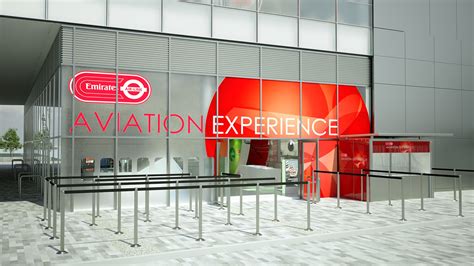
The Emirates Aviation Experience may have permanently closed its doors, yet its legacy still attracts travelers, aviation enthusiasts, and families searching for insight into what made this London attraction so distinctive. Nestled in the energetic Greenwich Peninsula and just steps from the Thames, it offered an unusual blend of education, entertainment, and hands-on simulation. For years, visitors described it as part museum, part training center, and part digital playground—an experience that managed to be both instructional and immersive.
The fascination began the moment guests stepped inside. A compact ground-floor café, overlooking the river, acted as a welcoming threshold, hinting at what awaited beyond. Families often lingered here before diving into the exhibit zone, and many reviews noted the surprisingly relaxed atmosphere for such a tech-heavy space. Once inside, everything shifted: the lighting, the sound design, and the subtle hum of machinery together created the mood of entering a working aviation environment.
What Defined the Attraction: A Closer Look at Its Core Features
The heart of the Emirates Aviation Experience revolved around detailed walk-through explanations of commercial aircraft logistics. Exhibits unpacked how an A380 is turned around in record time, what happens to luggage after check-in, and how an aircraft’s body withstands the stresses of high-altitude cruising. These weren’t static displays; every zone encouraged button pushes, lever pulls, and on-screen experimentation. Many guests, particularly younger visitors, found themselves happily absorbed in the science of lift, thrust, and cabin pressure.
The upstairs section expanded the aviation fantasy. Here, across a compact mezzanine, sat the two-seat cockpit mock-up—an unexpected favorite among families. Parents reported that their children’s excitement peaked at the moment they sat in the pilot’s chair, gripping plastic yokes with the earnest intensity of future captains. While the photo system was sometimes described as confusing, it did not diminish the delight of being inside a cockpit replica.
The Simulators: The Feature That Defined the Reviews
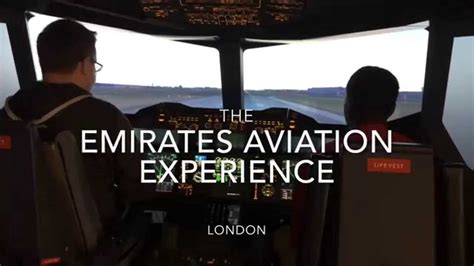
The premium simulators shaped the attraction’s reputation and, in some cases, its controversy. Four units—three Boeing 777 and one Airbus A380—operated as advanced fixed-base systems, designed to mimic real-world takeoff and landing procedures. For many guests, this was the highlight of their visit. Instructors like St George, Nazia, Jackie, and Nahma were frequently praised for transforming nervous novices into confident virtual pilots.
When the systems worked seamlessly, visitors described the experience as exhilarating. They could choose flight conditions, weather scenarios, runway locations, and times of day, all while being guided through each maneuver. Travelers compared the visuals to early commercial-grade simulator graphics—more immersive than a video game, less detailed than a full-motion airline trainer, but absolutely memorable.
However, not all reviews were glowing. Some visitors experienced technical malfunctions, which could abruptly break immersion. Reports of display crashes, outdated imagery, and worn seat cushions occasionally overshadowed an otherwise engaging hour. A few reviewers, especially those who paid the full £110 premium fee, felt the experience should have offered sharper resolution, smoother controls, or backup simulators ready for immediate handover.
The Educational Zones: Behind the Scenes of Commercial Aviation
The attraction distinguished itself by explaining aviation from a holistic perspective—plane mechanics, airport operations, human physiology, and flight logistics were all interconnected. The lower floor hosted interactive panels that broke down concepts like aerodynamics in remarkably approachable ways. Children loved the luggage system simulation, which demonstrated how bags move through scanners, conveyors, and sortation networks.
Adults appreciated the quick-turnaround challenge, a touchscreen-based game replicating the tight timelines facing modern airlines. What surprised many was how effectively these exhibits translated the complexity of commercial aviation into something tactile and rewarding. Even visitors with no personal interest in flying often described learning something unexpectedly intriguing.
Location Advantage: Greenwich, the Air Line Cable Car, and a Full Day Out
Part of the attraction’s appeal lay in its geography. Positioned near the IFS Cloud Cable Car (formerly Emirates Air Line), it formed a convenient pairing for families. Many guests bundled both attractions into a single outing, creating a seamless journey from aerial city views to hands-on aviation exploration.
Greenwich itself is a world unto its own. With the Royal Observatory, the Prime Meridian, and the iconic Cutty Sark close by, the area provided more than enough activities to fill a day. Even after the closure of the Emirates Aviation Experience, visitors continue to drift through the neighborhood on aviation-themed nostalgia trips.
Visitor Reception: A Review Landscape Split Between Enthusiasm and Frustration
Across 317 Tripadvisor reviews, the attraction settled at a 3.6-star average. The tonal split is noteworthy. Some visitors praised the staff with near-celebrity admiration, highlighting how the team’s friendliness elevated the entire experience. Others found the attraction lacking in polish, scale, or value.
Positive highlights included:
- Engaged and patient instructors who converted anxious guests into confident virtual pilots.
- Family-friendly interactivity, especially for younger visitors.
- Unique simulator opportunities unavailable elsewhere in London.
- Convenient pairing with the cable car experience.
Critical points frequently mentioned:
- Broken or outdated simulators, resulting in shortened or disrupted sessions.
- Limited staff presence outside the simulator zone.
- Exhibition space smaller than expected, becoming crowded during peak hours.
- A £110 simulator price tag some felt was not matched by the quality delivered.
Even with these critiques, many described the day as memorable—a mix of novelty, education, and playful challenge.
The Permanent Closure: What Led to the End of the Attraction
By 2022, reports surfaced that the Emirates Aviation Experience would permanently close. Although Emirates did not publicly detail the reasons, visitors and aviation observers speculated about reduced footfall after the pandemic, operational costs, and shifts in tourism patterns around the O2 and cable car corridor.
Its final months saw a bittersweet surge from repeat visitors who hoped to catch the exhibit one more time or pick up heavily discounted souvenirs from the shop. In many ways, its closure added a nostalgic sheen to the reviews, turning the experience into a snapshot of pre-closure London tourism—charming, imperfect, and niche.
Looking Back: What Made the Emirates Aviation Experience Special
The attraction’s legacy rests on the stories left behind. Guests who surprised themselves with a flawless landing in Hong Kong; children who discovered a fascination with aerodynamics; adults who finally understood why wings flex at 30,000 feet. These were the moments that defined its character far more than any technical flaw.
It offered a rare blend of aviation science, simulator fun, and London exploration. Even though the Emirates Aviation Experience is no longer operating, the memory of its distinctive mix of curiosity, technology, and family-friendly discovery remains part of London’s modern tourism history.Those exploring aviation attractions today will inevitably measure new experiences against the vivid impressions left by this one.