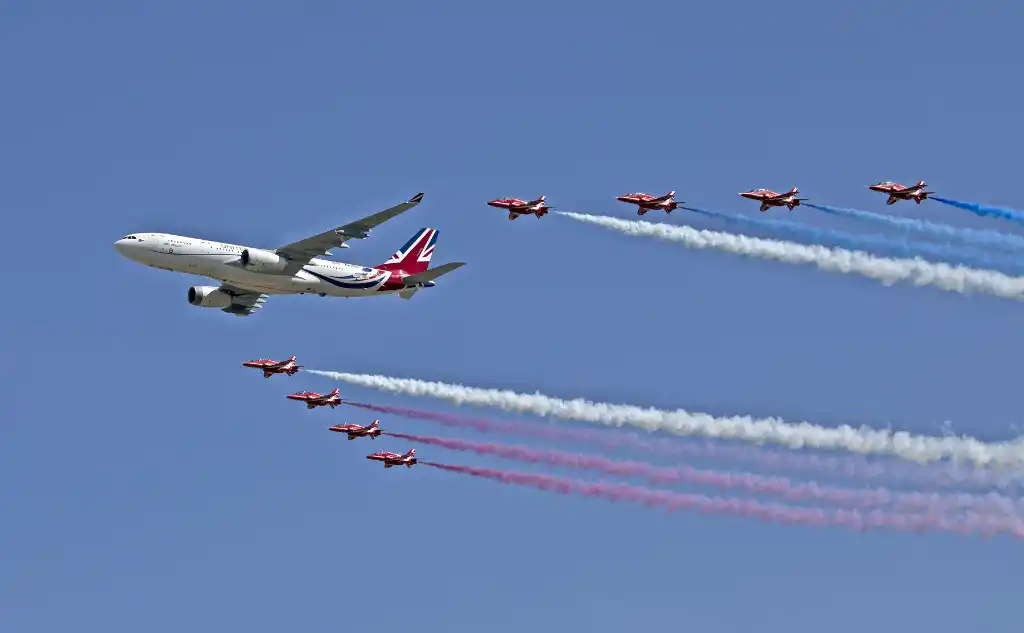
The Royal Air Force (RAF) stands as a cornerstone of the United Kingdom’s military strength, having played a pivotal role in shaping the course of modern warfare. Formed on 1 April 1918, the RAF was the result of a strategic merger between the Royal Flying Corps (RFC) and the Royal Naval Air Service (RNAS). Its creation marked the beginning of an era where air power became an essential part of national defense. Over the decades, the RAF has not only maintained its position as a global military powerhouse but has also adapted to the ever-evolving demands of air and space warfare. This article explores the history, evolution, and operational structure of the Royal Air Force, delving into its technological advancements, key roles, and significant contributions to international defense operations.
Formation and Early History of the RAF
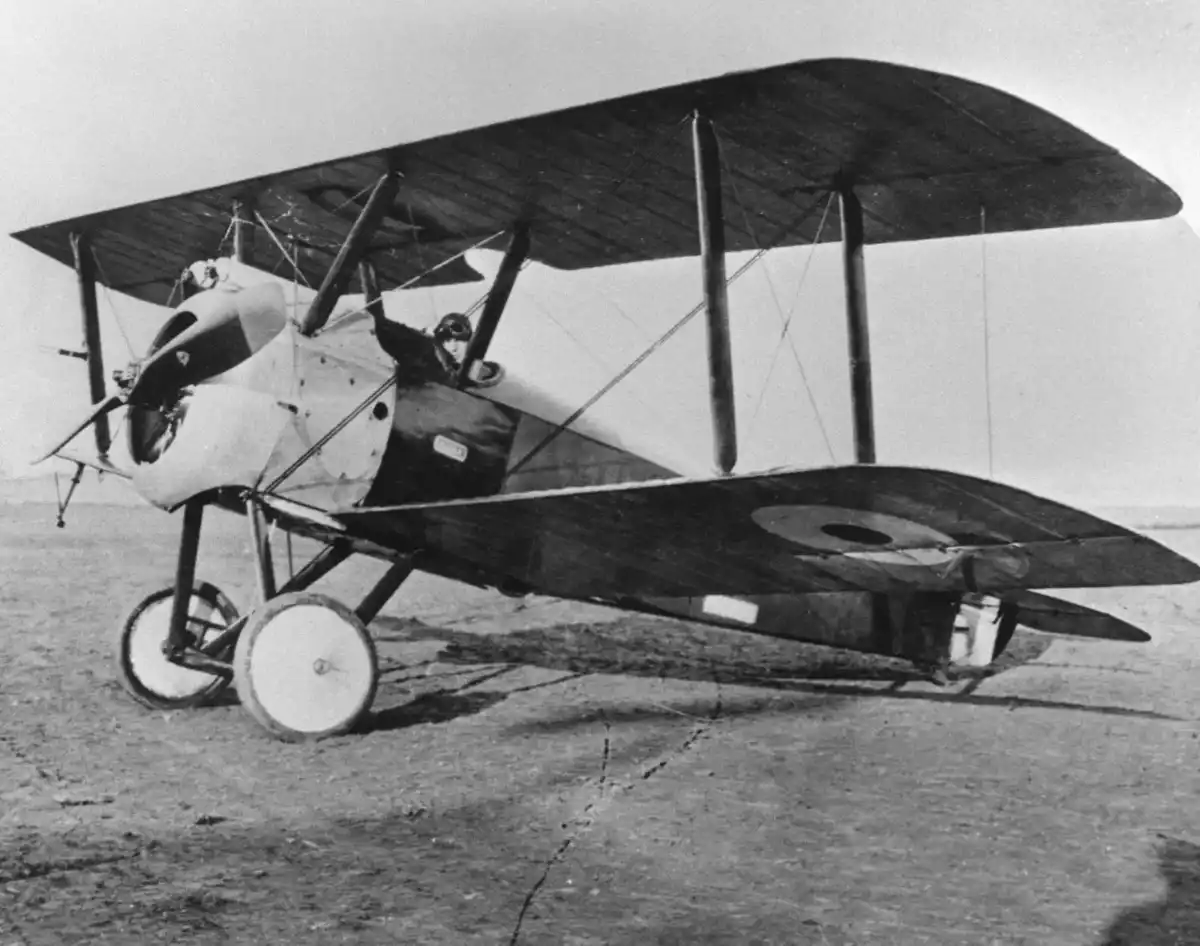
The Royal Air Force was conceived in response to the growing importance of air power in modern warfare. Prior to its formation, the RFC and RNAS had served as separate branches within the British military. The RFC was primarily responsible for aerial reconnaissance and support during World War I, while the RNAS focused on maritime air operations. However, as the significance of air warfare became undeniable, the British government recognized the need for a unified air force. The merger of these two entities in 1918 resulted in the establishment of the RAF, the first independent air force in the world.
The RAF’s early years were marked by rapid development, as it sought to establish itself as a force capable of defending the skies of Britain. In the interwar years, the RAF played a critical role in advancing aviation technology and training pilots. The interwar period also saw the RAF’s growing emphasis on strategic bombing, which would later prove to be a key element of its role during World War II.
The RAF in World War II: A Defining Moment
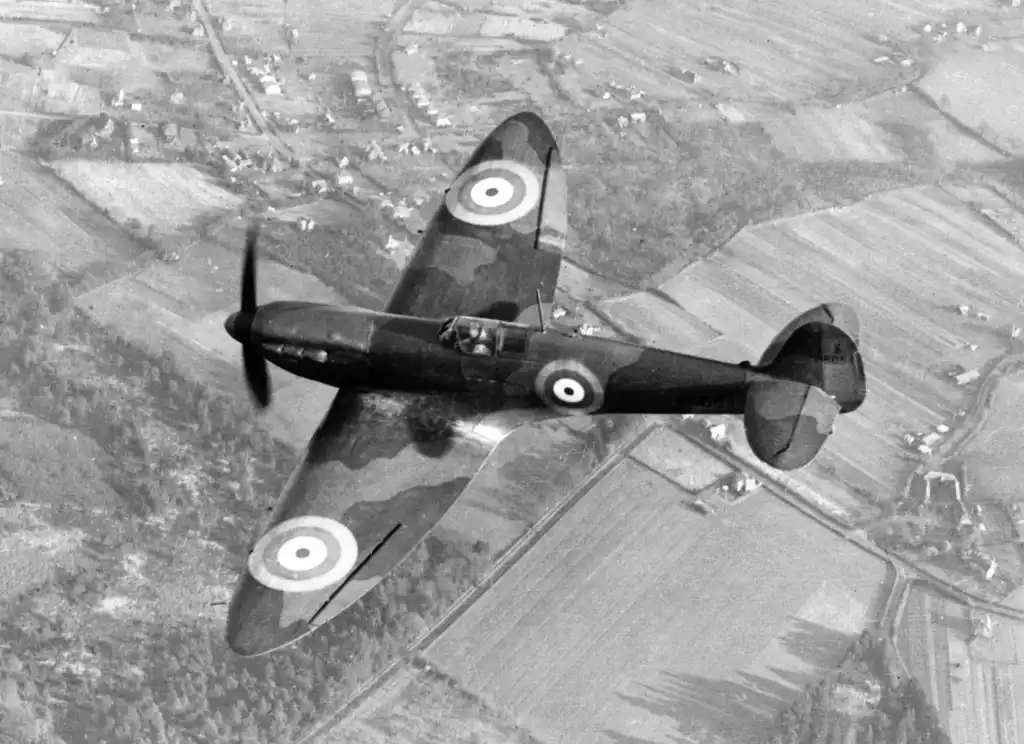
World War II proved to be the defining period for the RAF. As the world plunged into conflict, the RAF’s role became increasingly crucial in securing the skies of Britain. One of the most significant events in the RAF’s history occurred during the Battle of Britain, which took place between July and October 1940. This battle marked the first major military campaign fought entirely by air forces, and it was during this battle that the RAF’s resilience and strategic importance were solidified. With the threat of a German invasion looming, the RAF successfully defended Britain from the German Luftwaffe, securing air superiority and preventing the enemy from achieving its goal of a cross-Channel invasion.
In addition to the Battle of Britain, the RAF played a key role in strategic bombing campaigns against Nazi Germany. The RAF’s Bomber Command carried out devastating raids on German cities, factories, and infrastructure, crippling the Nazi war machine. The use of heavy bombers such as the Avro Lancaster became synonymous with the RAF’s ability to project power over long distances, striking deep into enemy territory.
The RAF’s successes during World War II were not just confined to the European theater. The air force also played a vital role in the war in the Pacific, where it supported Allied forces with air strikes against Japanese positions. The RAF’s versatility and ability to operate across multiple theaters made it a critical component of the Allied war effort.
The Evolution of RAF Technology and Air Power
Throughout its history, the RAF has been at the forefront of technological innovation in air warfare. The RAF’s commitment to advancing aviation technology has ensured its position as a leader in air and space power. The development and introduction of advanced aircraft have been key to the RAF’s operational success.
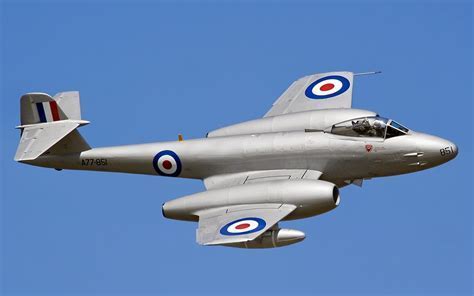
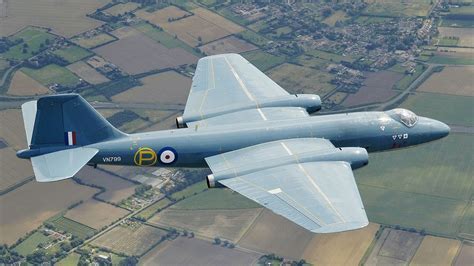
In the post-WWII era, the RAF embraced the jet age, introducing a series of high-performance aircraft that would shape the future of air combat. The introduction of jets such as the Gloster Meteor, the first British jet fighter, and the English Electric Canberra, one of the first British jet bombers, marked the RAF’s transition from propeller-driven aircraft to faster, more efficient jet-powered machines.
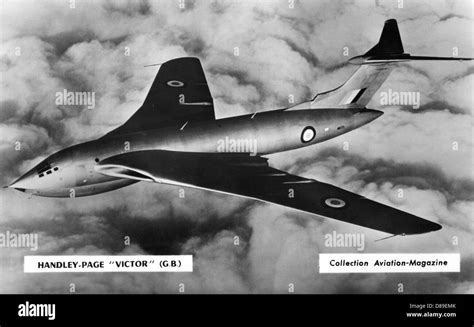
As the Cold War unfolded, the RAF’s technological advancements continued, with the introduction of long-range bombers like the Handley Page Victor and the Vickers Valiant. These bombers were capable of carrying nuclear payloads, further enhancing the RAF’s deterrence capabilities. The development of precision-guided munitions and advanced radar systems also enabled the RAF to conduct more accurate strikes, reducing collateral damage and improving operational effectiveness.
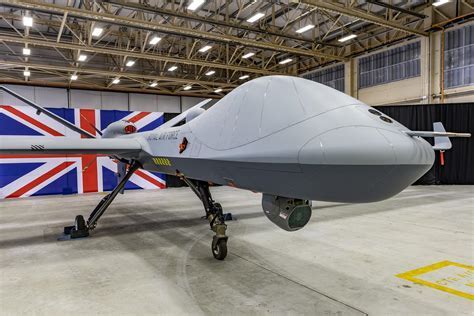
In recent years, the RAF has embraced new technologies such as unmanned aerial vehicles (UAVs), also known as drones. These remotely piloted aircraft have allowed the RAF to carry out surveillance and strike missions with minimal risk to personnel. The integration of drones into the RAF’s operations is a testament to its ability to adapt to the changing nature of modern warfare.
Key Roles and Missions of the RAF
The Royal Air Force plays a multifaceted role in ensuring the defense and security of the United Kingdom. The RAF’s mission extends far beyond mere air defense; it is responsible for a wide range of operational duties that encompass air and space warfare, intelligence gathering, and strategic deterrence.
One of the primary roles of the RAF is to protect British airspace from potential threats. The RAF’s fleet of fighter jets, including the Eurofighter Typhoon, is tasked with intercepting and neutralizing hostile aircraft that may attempt to breach UK airspace. The RAF also plays a critical role in providing air policing for NATO allies and conducting joint operations with other military forces around the world.
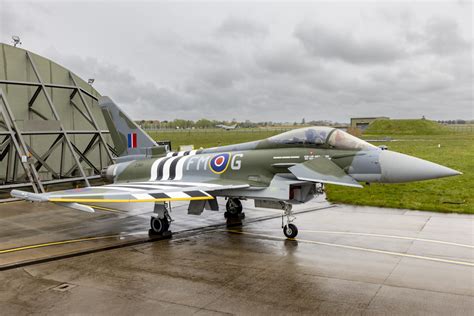
The RAF’s transport and logistics capabilities are also vital to global military operations. The RAF operates a fleet of transport aircraft, such as the Airbus A400M, which is capable of carrying heavy loads to remote locations. These aircraft are essential for the rapid deployment of personnel and equipment during humanitarian missions, peacekeeping operations, and combat deployments.
In addition to air and ground operations, the RAF has increasingly taken on responsibilities in space. The UK’s growing reliance on satellite technology for communication, navigation, and intelligence gathering has led to the establishment of the RAF’s Space Command. This new command oversees the UK’s satellite systems and ensures the nation’s access to critical space-based resources. The RAF’s involvement in space operations underscores the expanding role of air forces in securing national and global interests beyond Earth’s atmosphere.
RAF and International Engagements
Throughout its history, the Royal Air Force has played a pivotal role in numerous international conflicts and peacekeeping operations. From the Falklands War in 1982 to the ongoing War on Terror in the Middle East, the RAF has consistently been at the forefront of global military operations.
During the Falklands War, the RAF provided critical air support to British forces, deploying aircraft such as the Harrier GR3 for ground attack missions and the Vulcan bomber for long-range strikes against Argentine positions. The RAF’s ability to project power over vast distances proved to be a decisive factor in the conflict’s outcome.
In more recent years, the RAF has been heavily involved in operations in the Middle East, particularly in Iraq and Afghanistan. RAF aircraft have provided air support to coalition forces, conducted airstrikes against terrorist groups, and delivered humanitarian aid to civilian populations affected by conflict. The RAF’s ongoing presence in these regions highlights its role in ensuring global security and stability.
Structure and Leadership of the RAF
The organizational structure of the Royal Air Force is designed to ensure operational efficiency and effectiveness in achieving its mission. At the helm of the RAF is the Chief of the Air Staff, who is responsible for overseeing all RAF operations and strategic decisions. Under the Chief of the Air Staff are several operational groups, each responsible for different aspects of the RAF’s mission.
One of the key operational groups is No. 1 Group, which is responsible for air combat operations. This group oversees the RAF’s fleet of fighter jets and is tasked with maintaining air superiority over the UK and its allies. Another important group is No. 2 Group, which focuses on air combat support, including air refueling, transport, and reconnaissance missions.
The RAF’s leadership structure also includes a focus on training and development, with the RAF’s Academy providing world-class training to future pilots, engineers, and aircrew members. This commitment to training ensures that the RAF maintains a high standard of professionalism and operational excellence.
Conclusion: The RAF’s Continuing Legacy
As the Royal Air Force approaches its second century, it remains a critical component of the United Kingdom’s military capabilities. Its history of excellence, technological innovation, and global reach ensures that the RAF will continue to play a central role in securing British interests and supporting international peace and security. From its humble beginnings to its current status as a global leader in air and space warfare, the RAF’s legacy is one of resilience, adaptability, and unwavering commitment to national defense.