The Allure of Poland: A Hidden Gem
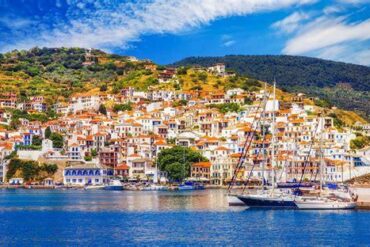
Poland, with its enchanting cities like Warsaw, Kraków, and Gdańsk, has become a haven for those seeking value without sacrificing quality. Visitors are discovering that they can enjoy rich histories and vibrant cultures at prices that are significantly lower than traditional Western European destinations. As U.S. tourist Sarah Reynolds notes, her experience in Warsaw’s historic old town, enjoying craft beer in a 16th-century courtyard, stands in stark contrast to the exorbitant costs she faced in places like Santorini.
This transformation is indicative of a broader trend where American travelers are actively seeking out destinations that offer both affordability and authentic experiences. In fact, Poland has been reported as one of the most economical European destinations, costing visitors around $5,505 for an entire vacation, compared to the European average of over $10,300.

Decreasing Airfare: A Game Changer
One of the primary drivers behind this trend is the decrease in airfare. Recent statistics reveal that cross-Atlantic fares have dropped by nearly 13%, making travel to Europe more accessible than ever. The average fare to Europe this summer is approximately $817, down from $892 the previous year. This affordability encourages more travelers to consider Eastern Europe as a viable option for their vacations.
Experts suggest that tourists can maximize their savings by booking flights well in advance—ideally 11 months ahead—and opting for mid-week travel, particularly on Tuesdays or Wednesdays. By choosing to fly during off-peak times, especially after mid-August, travelers can save as much as $600 per ticket. This newfound affordability is prompting a shift in travel patterns, steering more Americans towards the less-trodden paths of Eastern Europe.
Why Eastern Europe is the New Hotspot
Eastern Europe is quickly gaining recognition as the go-to destination for budget-conscious travelers looking for unique cultural experiences. With countries like Bulgaria, Romania, Latvia, and Albania emerging as popular alternatives, it’s clear that the region is rich in history and natural beauty while remaining budget-friendly. For instance, accommodations in Poland can be found for as little as $115 per night, while Albania offers stays starting at just $96. This enables Americans to immerse themselves in the European experience without the financial burden associated with cities like Paris or London.
The Washington Post highlights that these nations not only provide affordability but also a wealth of cultural richness. From ancient castles to vibrant street life, the experiences awaiting travelers are as diverse as they are rewarding.
Improved Travel Infrastructure: A Streamlined Experience
The enhanced travel infrastructure across Europe further facilitates Americans’ adventures. Starting in 2026, the European Travel Information and Authorization System (ETIAS) will streamline entry for travelers from visa-free countries, requiring them to apply electronically and pay a nominal fee of €7. This system will simplify the process for millions of tourists, making it easier for them to explore Eastern Europe.
Although ETIAS won’t take effect until 2026, potential travelers are encouraged to familiarize themselves with this system to avoid any last-minute complications when planning their trips. Understanding these changes can lead to smoother travel experiences and open up more opportunities to explore the vast cultural tapestry of Eastern Europe.
Smart Travel Strategies for Maximum Savings
Despite the declining prices, savvy travelers are employing various strategies to ensure they get the most out of their European vacations. Tools such as Google Flights, Skyscanner, and Hopper allow tourists to track fare fluctuations and receive alerts on price drops. In addition to tracking fares, travelers should consider alternative entry points into Europe. Cities like Oslo, Brussels, or Dublin can serve as cost-effective gateways to Eastern Europe, allowing for further connections via budget airlines or trains.
Traveling during the shoulder season—late spring, early summer, or autumn—can also yield significant savings. Hotel rates may drop by as much as 60% compared to peak summer prices, giving tourists more flexibility to enjoy their vacations. By prioritizing value over flash and opting for destinations that deliver authentic cultural experiences, travelers can make the most of their trips.
Eastern Europe: The Future of Summer Vacations
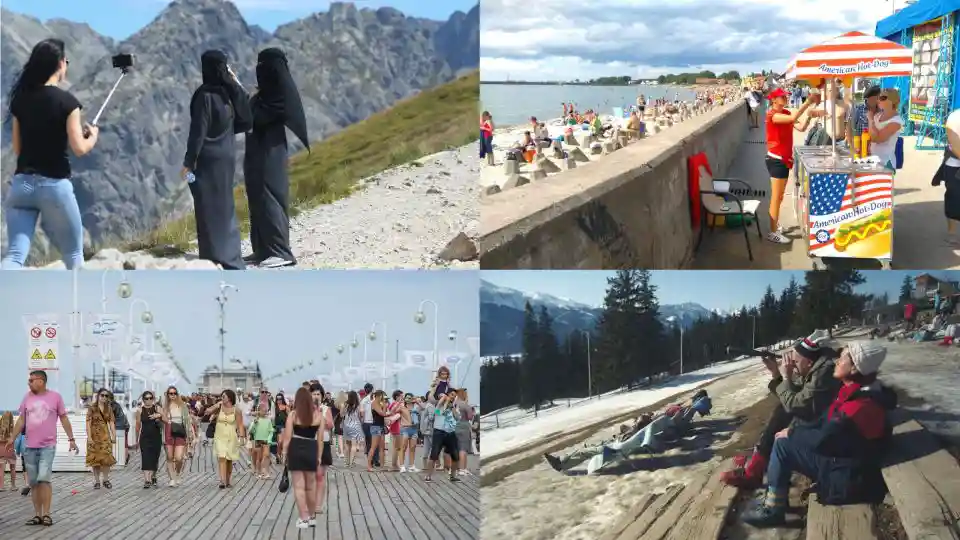
With its intriguing past and affordable offerings, Poland stands out as a prime destination for U.S. tourists. Cities like Warsaw, Kraków, and Gdańsk boast captivating cultural sites, walkable old towns, and energetic atmospheres—all at prices and crowds significantly lower than those found in major Western European cities. Moreover, neighboring countries in Eastern Europe, including Bulgaria, Romania, Latvia, and Slovenia, are becoming increasingly popular for their blend of value and quality.
Sarah and Miguel’s experiences in Warsaw and Kraków reflect a growing sentiment among American travelers: affordability does not equate to a compromise in quality. Many visitors are pleasantly surprised by how far their dollars stretch, allowing them to indulge in local cuisines and explore neighborhoods that would otherwise remain undiscovered. Elena, a guide in Ljubljana, shares how she showcases her city’s hidden gems, enriching the travel experience for American tourists eager to delve deeper into local culture.
Preparing for Your Eastern European Adventure
As you gear up for your summer holiday in Eastern Europe, there are several essential steps to consider:
- Track and Set Fare Alerts: Begin monitoring fares as early as possible, ideally 11 months in advance, to secure the best deals.
- Plan Entry Through Hubs: Consider using alternative entry cities such as Dublin, Frankfurt, or Budapest to access Eastern Europe.
- Familiarize Yourself with ETIAS: While it won’t be implemented until 2026, understanding the ETIAS system now will prepare you for future travels.
- Travel During the Shoulder Season: Aim for visits in late spring, early summer, or autumn to enjoy lower prices and fewer tourists.
- Prioritize Value Over Flash: Seek out Eastern European destinations that offer genuine cultural experiences without the hefty price tag.
Conclusion: Rediscovering Europe with Value and Authenticity
In this new era of travel, American tourists are discovering remarkable value in Eastern Europe. With discounted airfares and authentic, memorable experiences awaiting them, travelers are embracing the idea that enriching journeys do not have to come at exorbitant prices. From the literary cafés of Warsaw to the ancient streets of Kraków, it’s clear that travel is about what you absorb as much as it is about what you spend. With thoughtful planning and a spirit of adventure, 2025 promises to be a golden year for value-conscious travel across Eastern Europe’s storied landscapes.