United Airlines has become the first major U.S. carrier to formally bar third-party artificial intelligence agents from booking, modifying, or servicing tickets on behalf of passengers. The Chicago-based airline announced the restrictions on Wednesday, November 11, and wrote them directly into its Contract of Carriage, giving it sweeping authority to cancel any reservation created or altered by an AI agent without notice. The policy applies across United’s website and mobile app and extends indirectly through travel agencies, distributors, and booking aggregators, closing off the routes most travelers use to reach the airline’s inventory. In practice, anyone who has handed an AI assistant their MileagePlus credentials to find, book, or manage a flight now faces the prospect of that reservation being voided.
United Adds AI Agent Booking Restrictions to Its Contract of Carriage
The carrier did not issue a routine press notice. Instead, it embedded the ban in the legal contract that governs every ticket it sells, as first reported by The Wall Street Journal. United’s public statement warned that sharing account login details with third-party AI assistants could put sensitive information at risk, and that actions taken by such tools “may result in unintended purchases, account changes, or use of MileagePlus miles.” The airline framed its response as a deliberate program of access control. “United is taking steps to restrict access – directly within our digital platforms and indirectly via travel agencies and aggregators – to prohibit use by unauthorized, third-party personal AI agents or assistants,” the airline said, adding that the work “includes updates to our booking, ticketing, and distribution policies.” Delta Air Lines was reported last month to be quietly blocking similar tools, but United is the first U.S. carrier to announce a formal ban.

What United’s AI Booking Ban Actually Means for Travelers
The mechanics are spelled out in Rule 6.J.6 of the revised Contract of Carriage, which adds “the use of AI Agents to make, modify or service a Ticket, and/or to purchase any service or product” to United’s list of prohibited ticketing practices. The carrier’s definition is deliberately expansive, covering AI assistants, standalone autonomous agents, and even AI-enabled browsers that navigate airline websites on a customer’s behalf. Critically, the prohibition applies even when a passenger is actively supervising the agent or approving each step it takes. A separate clause, Rule 5.H, grants United the right to cancel reservations made or managed by AI agents without notice, meaning a traveler who personally instructed an assistant to secure a flight could still lose the booking after confirmation. The scope leaves little room for interpretation, and enforcement authority rests entirely with the airline.
Do AI Agents Break Federal Aviation Rules?
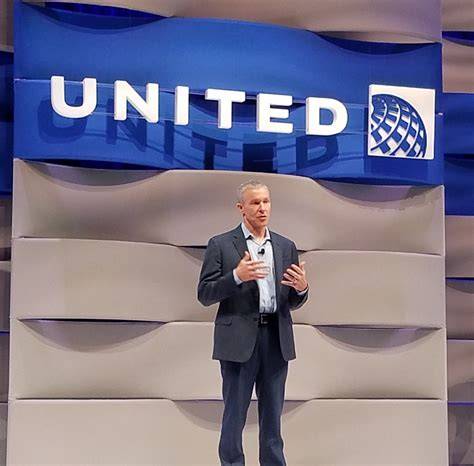
United’s stated concerns extend beyond account security to regulatory compliance. The check-in process requires passengers to confirm that their bags contain no prohibited items such as explosives, a disclosure mandated under 49 CFR 175.25, which obligates airlines to inform passengers about hazardous materials both at purchase and at check-in and to obtain an acknowledgment. United argues that allowing an AI agent to complete check-in on someone’s behalf could bypass that required acknowledgment, exposing both carrier and traveler to liability. The reasoning is legally defensible, though observers note the policy also serves United’s commercial interests. CEO Scott Kirby said at an event in Chicago that he did not want “to create another middleman” between the airline and its customers.
Commercial Motives Behind United’s AI Agent Restrictions
Aviation analyst Henry Harteveldt, speaking to CBS News, pointed out that flight searches cost airlines money, giving United a second reason to shut out automated agents. If personal AI assistants begin scanning thousands of fare and itinerary combinations on behalf of users, carriers could absorb a surge in automated traffic without generating proportional bookings, since every query consumes server capacity and distribution bandwidth. Airlines are also investing heavily in their own AI-driven sales and pricing systems, and the ban keeps third-party agents from inserting themselves into a channel the carrier wants to own. United’s move lands amid broader scrutiny of how airlines deploy automation. The Federal Trade Commission recently ordered Delta, United, and JetBlue to explain how they set their fares and whether personal data plays any role, part of an inquiry into “surveillance pricing.” The two trends run in parallel: carriers restrict outside AI agents while expanding their own AI pricing and service tools.
What the Ban Means for Travelers Relying on AI Assistants
For passengers, the practical consequences are immediate. Those who have delegated booking, seat changes, or check-in to an AI assistant must revert to direct interaction with United’s site, app, or a human travel agent. Reservations already created through third-party agents could be canceled without warning, and miles spent through automated tools may be difficult to recover. Travel agencies and distribution partners, similarly bound by the updated policies, will need to audit their systems for automated functionality that could violate Rule 6.J.6. The ban also establishes a template other carriers are likely to follow. As AI agents grow more capable of navigating airline websites autonomously, the boundary between helpful automation and unauthorized intermediation will be tested in courtrooms, regulatory filings, and updated contracts of carriage. United has drawn that line first, and for now it runs directly through the traveler’s booking session.