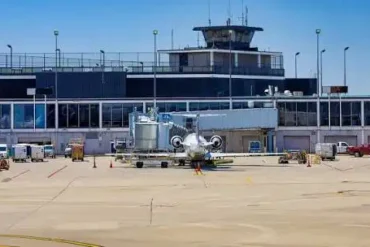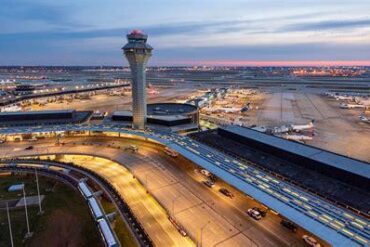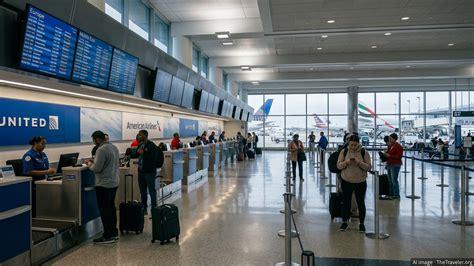
United Airlines is making major adjustments to its Chicago O’Hare International Airport (ORD) schedule after the Federal Aviation Administration (FAA) extended flight capacity limits at one of the busiest aviation hubs in the United States. The airline will postpone the launch of 11 planned routes, including service to 10 regional Midwest airports and one international route to Guadalajara, Mexico.
The decision comes as the FAA continues to restrict daily operations at O’Hare to approximately 2,700 takeoffs and landings per day. The limit was introduced to reduce congestion and prevent severe delays while extensive airport modernization projects continue. Although the restriction was originally expected to expire in October 2026, the FAA has now extended the cap through October 2027.
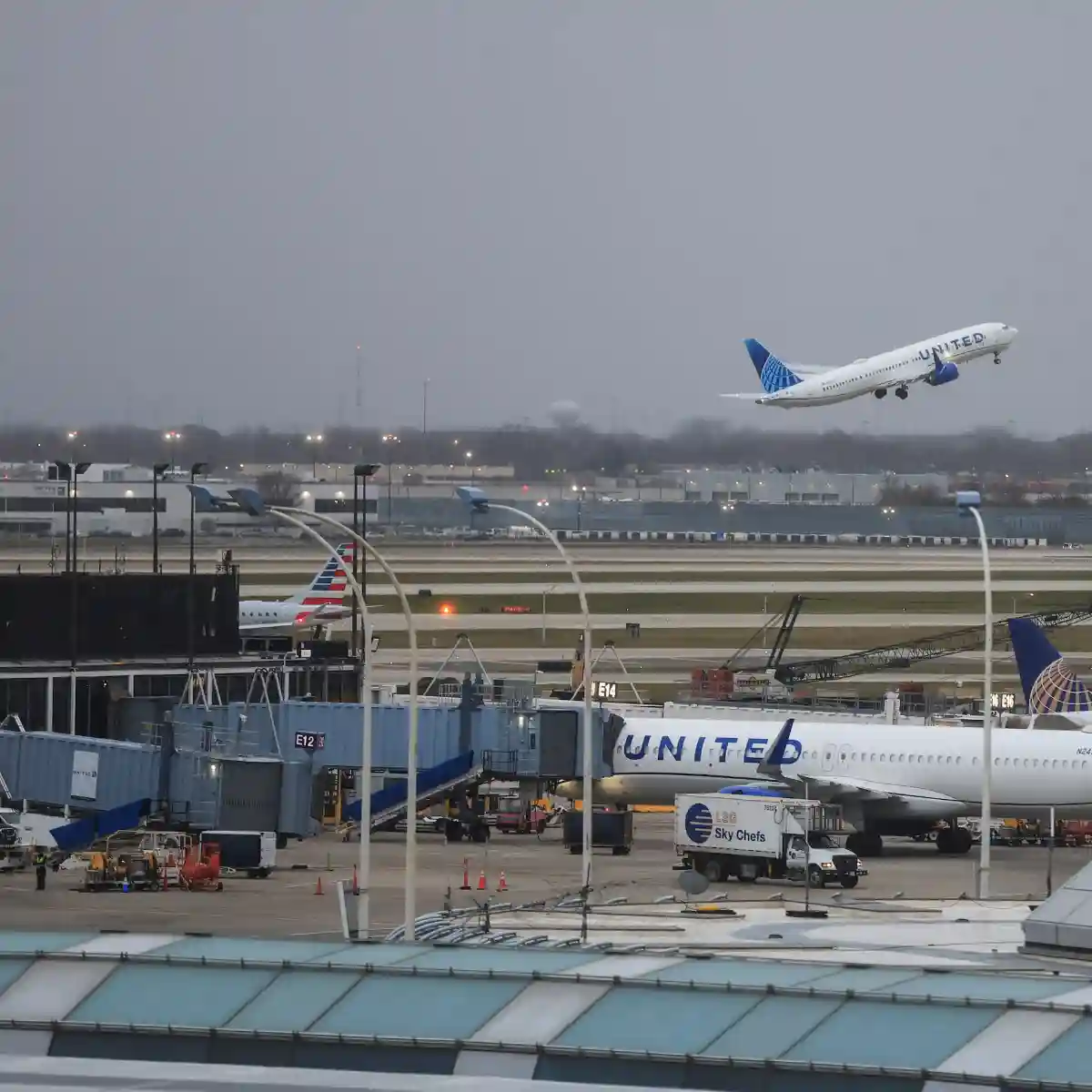
FAA Flight Caps Create New Challenges At Chicago O’Hare
The FAA’s decision is directly connected to ongoing infrastructure improvements at O’Hare. The airport is undergoing one of the largest modernization programs in its history, known as ORD 21 or ORDNext, which aims to transform terminal facilities and improve airfield efficiency.
The construction program includes the development of a new 19-gate Concourse D, upgrades to Terminal 3, early construction work for the future O’Hare Global Terminal, and significant improvements to taxiways and aircraft movement areas. While these projects are designed to increase O’Hare’s long-term capacity, the temporary construction disruptions have reduced operational flexibility.
Taxiway closures, construction zones, and passenger facility limitations have created bottlenecks throughout the airport. According to the FAA, removing the flight restrictions too early could lead to increased delays and operational instability during the remaining construction period.
United Airlines previously warned that the restrictions could force the carrier to reconsider where it adds capacity. CEO Scott Kirby stated that the airline could shift growth opportunities to other airports if O’Hare could not support additional flights.
Despite the limits, United’s overall summer schedule remains larger than the previous year. The airline has increased aircraft size on many routes, replacing smaller regional aircraft with larger jets. This strategy allows United to transport more passengers while operating fewer flights through constrained airport infrastructure.
United Drops Regional Routes To Maximize Aircraft Capacity
The cancellation of these routes highlights a broader transformation happening across the airline industry. As airports face capacity limitations, airlines are increasingly replacing smaller regional jets with larger single-aisle aircraft to maximize passenger numbers per available slot.
A 50-seat regional jet and a 180-seat Boeing 737 require the same basic takeoff and landing opportunity at a congested airport. When slots become limited, airlines often prioritize aircraft that generate more passenger capacity and stronger financial returns.
United’s postponed routes affect several smaller communities that depend heavily on connections through major hubs. The affected airports include University of Illinois Willard Airport in Illinois, Kalamazoo/Battle Creek International Airport in Michigan, Capital Region International Airport in Michigan, La Crosse Regional Airport in Wisconsin, Central Illinois Regional Airport, Tri-Cities Airport, Erie International Airport, Rochester International Airport, Marquette Sawyer Airport, Central Wisconsin Airport, and Guadalajara International Airport in Mexico.
For these smaller markets, losing a connection to Chicago O’Hare represents more than a schedule change. Many regional airports rely on hub connections to maintain access to national and international destinations. Without those flights, passengers may face fewer travel options, longer journeys, and reduced economic connectivity.
Regional Airports Face Growing Air Service Pressure
The reduction of regional flights creates a difficult challenge for regulators. The FAA must balance airport efficiency, airline economics, and the transportation needs of smaller communities across the country.
Large airlines have increasingly focused on profitability by concentrating operations around larger aircraft and higher-demand routes. However, this approach can weaken the traditional hub-and-spoke network that connects smaller cities with major aviation centers.
Regional airports often depend on these connections to support local businesses, tourism, universities, and economic development. A loss of scheduled airline service can significantly impact communities that have limited alternatives.

The FAA may eventually need to consider additional policies to protect essential regional connectivity if service reductions continue. One possible approach could involve reserving a portion of airport capacity for flights serving smaller communities, although no such requirement has been announced.
The agency has increasingly emphasized efficient use of limited airport resources rather than simply expanding flight numbers. Officials have argued that airlines must design schedules that serve passengers effectively while maintaining reliable operations.
United Airlines Adjusts Strategy As O’Hare Restrictions Continue
United Airlines’ decision reflects the difficult choices airlines face when operating at heavily constrained airports. With O’Hare unable to accommodate unlimited growth, carriers must prioritize routes that deliver the greatest passenger demand and operational value.
The airline is not reducing its entire Chicago operation. Instead, United is reshaping its network around larger aircraft, stronger markets, and routes that can generate higher passenger volumes within the FAA’s limits.
For travelers in affected communities, however, the changes represent a significant loss of connectivity. The coming years will show whether regional markets regain service once O’Hare’s modernization projects are completed or whether the shift toward larger aircraft permanently changes the structure of domestic air travel.
The FAA’s restrictions were created to prevent overwhelming delays and improve reliability, but they also demonstrate the complex balance between airport growth, airline profitability, and maintaining access for smaller cities. As construction continues at Chicago O’Hare, United and other carriers will continue adjusting their networks around the reality of limited capacity.