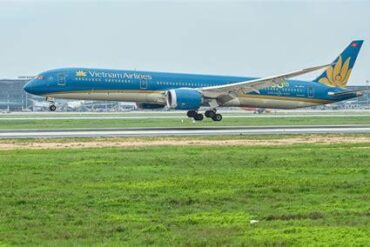
Vietnam Airlines is poised to reshape Southeast Asia’s aviation and logistics landscape with the announcement of its independent cargo airline and expanded travel services, set to launch by 2026. This bold move marks a significant strategic pivot for Vietnam’s national carrier, as it capitalizes on booming freight demand while reinforcing its position in the global travel sector.
The airline’s leadership unveiled the plan during its shareholder meeting on June 25, 2025, signaling a clear intention to evolve beyond passenger services into a multifaceted aviation powerhouse. The new cargo airline represents a crucial component of this vision, designed to tap into the soaring global freight market and meet the region’s escalating logistics demands.
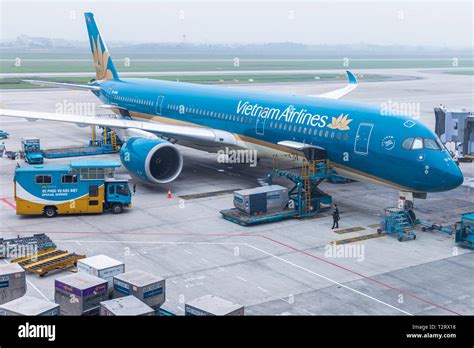
Freight Takes Center Stage in Vietnam Airlines’ Growth Strategy
For decades, Vietnam Airlines primarily concentrated on passenger transport. Yet, recent industry dynamics have redefined its priorities. The aftermath of the COVID-19 pandemic underscored the resilience and profitability of air freight, transforming it from a secondary revenue stream into the airline’s primary growth engine.
The airline’s financials underscore this transition. In the second quarter of 2025, cargo revenue accounted for an unprecedented 65% of Vietnam Airlines’ total revenue, propelling the company to a pre-tax profit of 1 trillion Vietnamese dong (US$40.8 million). Buoyed by this momentum, projections indicate potential profits of 4 trillion dong (US$153 million) by mid-2025, with freight operations playing a dominant role.
This remarkable growth trajectory has prompted Vietnam Airlines to formalize its cargo ambitions through the establishment of an independent airline solely focused on freight transport.
Leveraging A321 Conversions for Rapid Cargo Expansion
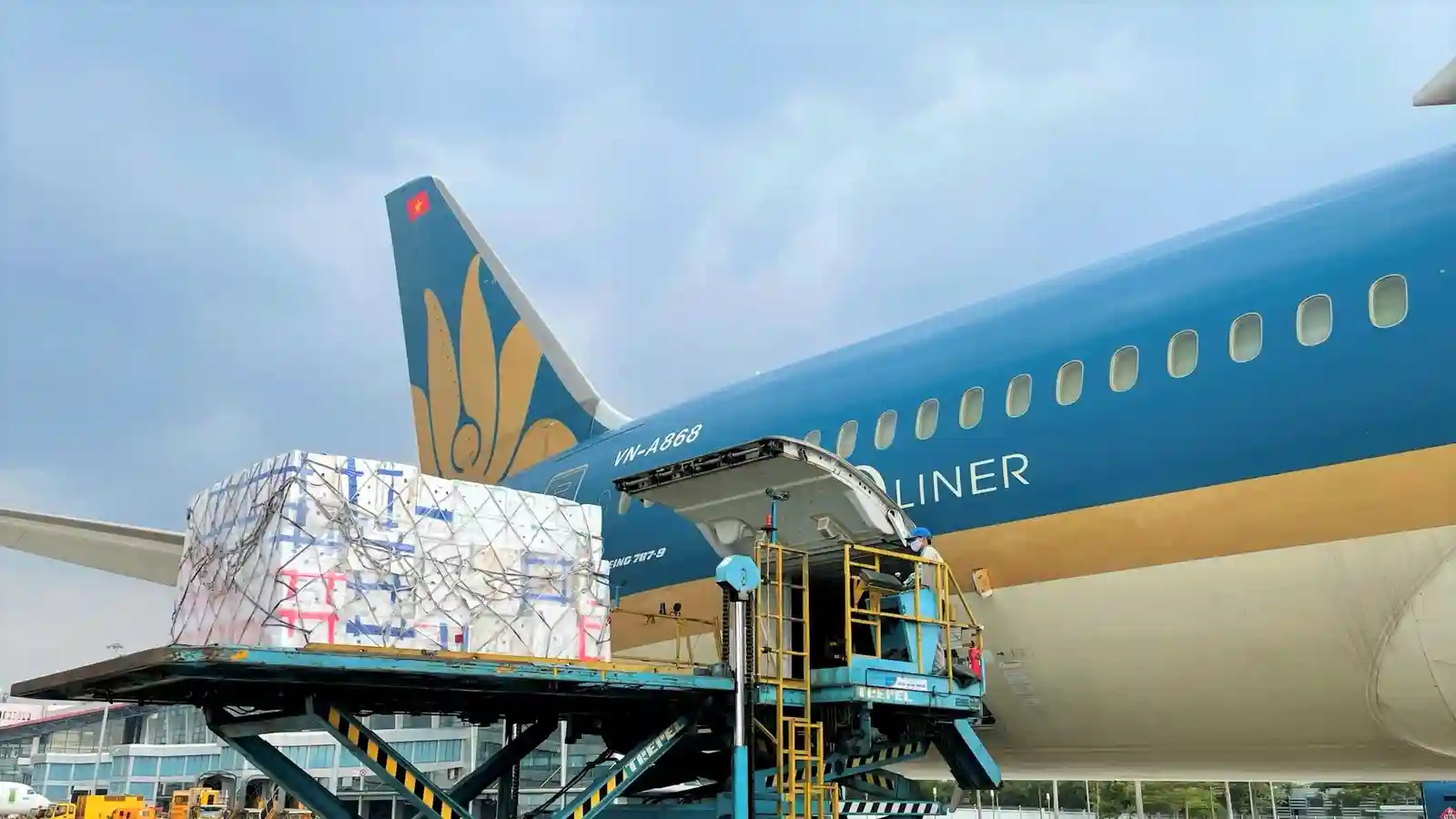
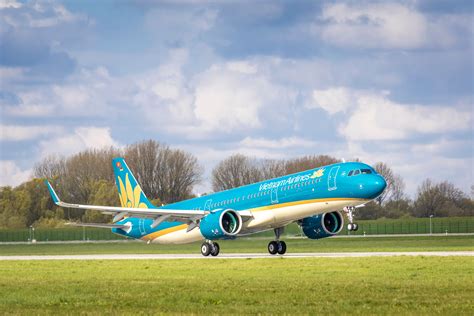
Central to Vietnam Airlines’ cargo strategy is the conversion of its Airbus A321 passenger aircraft into freighters, a process known as Passenger-to-Freighter (P2F) modification. These conversions, scheduled for completion by the end of 2025, will create a foundation of narrow-body freighters ideal for regional routes across Southeast Asia.
Repurposing existing aircraft presents a pragmatic, cost-efficient method to scale up cargo operations without incurring the high capital costs associated with purchasing new freighters. This approach aligns with industry best practices, where agility and scalability are essential amid fluctuating market conditions.
In addition to A321 conversions, Vietnam Airlines plans to lease dedicated freighter aircraft, enabling rapid fleet expansion while preserving financial flexibility. The combination of modified narrow-body jets and leased freighters positions the airline to swiftly address evolving logistics demands while minimizing financial risk.
Building Vietnam’s Next Major Logistics Hubs
Aircraft alone, however, cannot drive freight growth without robust infrastructure. Vietnam Airlines is concurrently investing in developing Long Thành Airport near Ho Chi Minh City and Gia Bình Airport near Hanoi as key logistics hubs. These facilities will serve as the backbone of the airline’s cargo operations, equipped to handle large freight volumes and facilitate seamless logistics services.
The vision extends beyond conventional cargo handling. These hubs will offer end-to-end logistics solutions, encompassing storage, customs clearance, and distribution capabilities. By doing so, Vietnam Airlines aims to establish logistics centers on par with regional giants such as Singapore’s Changi, Bangkok’s Suvarnabhumi, and Kuala Lumpur International Airport.
This infrastructure expansion reflects broader national objectives to bolster Vietnam’s export economy, strengthen supply chains, and elevate the country’s status as a regional trade gateway.
Seizing the Opportunity Amid Global Supply Chain Shifts
The timing of Vietnam Airlines’ cargo expansion is no coincidence. The global logistics landscape is undergoing significant transformation, driven by shifting supply chains, heightened e-commerce demand, and the need for reliable, efficient freight services.
Asia, in particular, has witnessed exponential growth in cross-border e-commerce, creating unprecedented demand for swift cargo transport. Vietnam Airlines’ proactive entry into dedicated freight operations positions it to capture a substantial share of this market, especially given its strategic geographic location at the heart of Southeast Asia.
While the opportunity is vast, the airline is mindful of potential headwinds. Volatile fuel prices, geopolitical uncertainties, and global economic fluctuations could impact operations. Nonetheless, Vietnam Airlines plans to mitigate these risks through a flexible fleet strategy, strong partnerships, and digital innovations to streamline cargo booking, tracking, and network efficiency.
Competing in an Intensifying Air Cargo Market
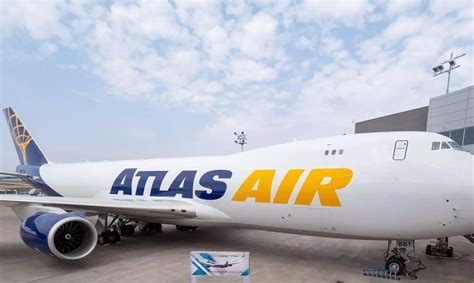
Vietnam Airlines enters an increasingly competitive freight market, with several airlines already advancing dedicated cargo operations. Regional competitors such as IndiGo have begun converting A321s for freighter use, while global players like Atlas Air operate expansive leased freighter fleets.
What distinguishes Vietnam Airlines is its gradual, scalable approach, beginning with narrow-body aircraft conversions before expanding into larger freighter operations. This strategy allows the airline to build cargo capacity incrementally, optimizing for regional demand without overextending capital resources.
Though specifics of freighter leasing arrangements remain undisclosed, the airline’s focus on narrow-body freighters reflects a pragmatic entry point, ideal for regional cargo routes, high-frequency operations, and access to secondary airports with limited infrastructure.
The Future of Vietnam Airlines’ Cargo Division
The name of the new independent cargo airline remains under wraps, but its ambitions are clear. Vietnam Airlines is positioning the division as a serious contender in the global air cargo arena, leveraging Southeast Asia’s growth potential and Vietnam’s expanding export economy.
Initial operations, slated for 2026, will focus on regional Southeast Asian routes, with converted A321 freighters forming the operational core. As logistics hubs at Long Thành and Gia Bình airports reach full capacity, the airline anticipates expanding its cargo network, including long-haul services supported by leased wide-body freighters.
This expansion is expected to coincide with Vietnam’s broader economic growth, export diversification, and deepening integration into global supply chains. By establishing a comprehensive, agile cargo network, Vietnam Airlines aims to support the nation’s trade ambitions while driving its own profitability.
High-Stakes Strategy with Global Implications
Vietnam Airlines’ foray into independent air cargo and expanded travel services represents a transformative, high-stakes strategy. With freight revenues now the airline’s primary growth engine, the decision to formalize cargo operations through a standalone entity signals confidence in long-term market prospects.
The initiative is underpinned by sound strategic elements: repurposing existing assets through A321 conversions, building logistics hubs that integrate seamlessly with global supply chains, and leveraging flexible leasing arrangements to scale operations prudently.
Yet, success hinges on execution. Navigating market volatility, competitive pressures, and regulatory landscapes will require operational excellence, technological innovation, and strategic partnerships.
Nevertheless, if Vietnam Airlines realizes its vision, it could emerge as a dominant force in Southeast Asia’s air cargo sector, elevating Vietnam’s aviation profile and contributing significantly to the nation’s economic advancement.
As 2026 approaches, the industry will watch closely as Vietnam Airlines attempts to redefine its future through this ambitious, calculated leap into the global logistics and travel sectors.