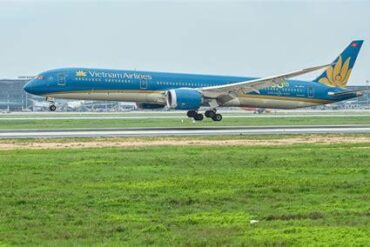
Vietnam Airlines has officially inaugurated its direct daily route between Cam Ranh International Airport and Busan, South Korea, a significant expansion in its international network aimed at reinforcing regional tourism and economic ties. On June 1, 2025, flight VN435 landed at Cam Ranh International Terminal from Busan with 186 passengers onboard, marking a new milestone in Vietnam Airlines’ international operations and symbolizing a deepening of strategic air connectivity between Vietnam and South Korea.
The inaugural flight was greeted with a ceremonial water salute, a traditional aviation gesture honoring the arrival of a new route. This event not only showcased Vietnam Airlines’ commitment to international service excellence but also emphasized Cam Ranh’s growing status as a key regional aviation hub.
A Strategic Leap Forward in Regional Connectivity
With this new Cam Ranh – Busan service, Vietnam Airlines reinforces its role as a premier national carrier facilitating two-way tourism, economic exchange, and cultural ties between Vietnam and South Korea. Busan, South Korea’s bustling port city and its second-largest metropolis, is known for its dynamic mix of coastal scenery, seafood markets, and cultural festivals. By directly linking it with Cam Ranh, gateway to the world-renowned beaches of Nha Trang, Vietnam Airlines opens up seamless access for Korean tourists and expands outbound options for Vietnamese travelers.
This route represents more than a geographic bridge; it is a clear effort to capitalize on the surging demand for air travel between the two nations. According to aviation and tourism data, South Korea remains among the top three sources of inbound tourists to Vietnam. With nineteen direct daily flights now operating between major South Korean cities and Cam Ranh, the region is positioned as a central hub for Korean travelers seeking leisure and business opportunities.
Flight Details: A Convenient and Comfortable Experience
Vietnam Airlines has carefully scheduled the Cam Ranh – Busan service to accommodate the needs of both leisure and business travelers. The airline is operating the route using the Airbus A321, a narrow-body aircraft renowned for its fuel efficiency, passenger comfort, and operational reliability.
Flight Schedule:
- VN434: Cam Ranh → Busan | Departure: 23:35 | Arrival: 06:05 (+1)
- VN435: Busan → Cam Ranh | Departure: 08:00 | Arrival: 10:35
With a daily frequency, the flights provide unmatched flexibility and connectivity. The overnight outbound timing from Cam Ranh allows Korean travelers to arrive early in the morning, ready for a full day’s itinerary. Likewise, the mid-morning return flight from Busan suits both weekend tourists and long-stay visitors.
Economic and Tourism Impacts of the New Route
The economic implications of this route are far-reaching. For Nha Trang, one of Vietnam’s most visited coastal destinations, this direct service is expected to attract a new wave of high-spending Korean tourists, particularly during peak holiday seasons such as Chuseok and Lunar New Year.
South Korean travelers are known for their interest in wellness tourism, golf resorts, and luxury beachfront properties, all of which Nha Trang offers in abundance. The city’s tourism sector has actively expanded Korean language services and facilities in recent years, anticipating such an increase in visitors. With improved air access, local businesses — from hotels to tour operators — stand to benefit substantially.
Conversely, for Vietnamese passengers, particularly those based in the south-central region, the Busan route unlocks easy access to South Korea’s southern coast and opens new doors for work, study, and family reunification travel. Busan also acts as a gateway to Japan and Northeast Asia, providing convenient onward connections via regional low-cost and full-service carriers.
Strengthening Bilateral Relations through Air Travel
Vietnam Airlines’ latest route launch reflects the broader trend of growing diplomatic and commercial cooperation between Vietnam and South Korea. In recent years, bilateral trade and cultural exchange have flourished, aided in no small part by robust air connectivity. South Korea is not only Vietnam’s largest source of foreign direct investment but also an indispensable partner in technology, education, and infrastructure development.
By introducing this route, Vietnam Airlines is fulfilling both commercial and national objectives: expanding its network reach while actively participating in Vietnam’s economic diplomacy agenda. Tourism boards in both countries have hailed the move as an effective way to stimulate post-pandemic recovery in the hospitality and aviation sectors.

Aviation Infrastructure and the Rise of Cam Ranh as a Regional Hub
The rise of Cam Ranh International Airport as a critical node in Vietnam’s air transport map is integral to the success of this new route. The airport has undergone substantial upgrades, with its international terminal offering modern amenities, expanded apron space, and streamlined immigration services. These enhancements ensure that the airport can handle increasing international traffic without sacrificing service quality or safety.
Cam Ranh’s strategic location — a short flight away from major East Asian cities — has made it increasingly attractive to international carriers. With this Vietnam Airlines route in place, Cam Ranh strengthens its status as southern Vietnam’s alternative international gateway to the more congested Ho Chi Minh City.
Aircraft Efficiency and Passenger Comfort on the Airbus A321
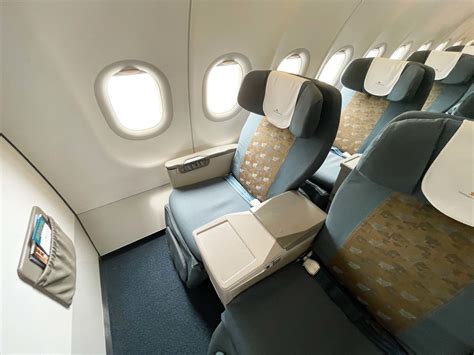
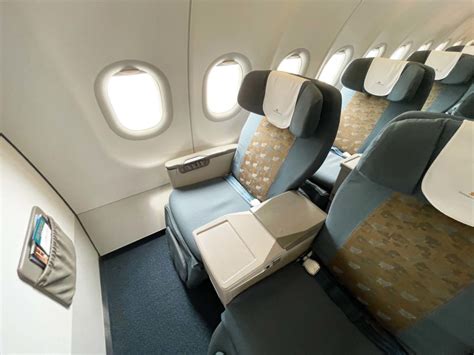
The choice of the Airbus A321 for this route reflects Vietnam Airlines’ focus on operational efficiency and passenger satisfaction. This aircraft type is part of the A320 family but boasts a longer fuselage and greater seating capacity, making it ideal for regional routes like Cam Ranh – Busan, which demand a balance of capacity and cost-effectiveness.
Passengers onboard can expect comfortable seating, inflight entertainment options, and Vietnam Airlines’ signature cabin service, which includes Vietnamese cuisine, multilingual cabin crew, and cultural hospitality touches. Moreover, the aircraft’s proven fuel efficiency contributes to the airline’s broader sustainability initiatives, reducing the carbon footprint per passenger kilometer.
Looking Ahead: Regional Expansion and Route Optimization
The launch of the Cam Ranh – Busan route could serve as a model for future Vietnam Airlines expansions into mid-sized international markets. Rather than only focusing on mega-hubs like Seoul or Tokyo, the airline is leveraging emerging demand patterns and shifting tourism dynamics to serve destinations that are both strategically important and logistically viable.
Furthermore, the airline may look into codeshare agreements and interline partnerships that expand travel options beyond Busan, enabling passengers to reach cities like Fukuoka, Sapporo, or even Vladivostok with minimal layover time. Cam Ranh itself may evolve into a multi-stop destination — not merely an endpoint — within trans-Asia travel itineraries.
Conclusion: A Bold Move for Sustainable Growth
Vietnam Airlines’ direct flight from Cam Ranh to Busan represents a bold, calculated step toward sustainable regional aviation growth. It satisfies growing passenger demand, strengthens Vietnam’s tourism economy, and enhances bilateral relations with one of its most important partners. In doing so, it also reflects the national carrier’s evolving role — not just as a transport service provider, but as an enabler of economic progress and cultural diplomacy.
As Cam Ranh International Airport continues to mature and as Vietnam Airlines pursues further international expansion, such strategic routes will shape the regional aviation landscape and redefine how Vietnam connects to the rest of Asia.