Understanding the Crucial Role of a Loadmaster in Air Logistics
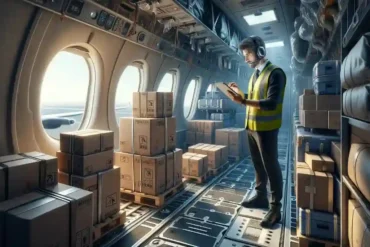
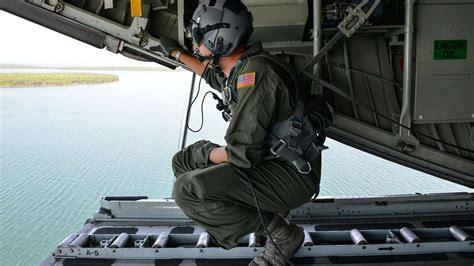
In the intricate and high-stakes world of aerial logistics and military transportation, the loadmaster stands as a linchpin of operational success. Whether navigating the structured hierarchy of the Royal Canadian Air Force (RCAF) or coordinating high-value freight for commercial airlines, the loadmaster’s role goes far beyond merely loading cargo onto aircraft. These professionals are responsible for ensuring that every load is balanced, secured, documented, and compliant with rigorous regulations and safety protocols.
In both military and civilian aviation, the loadmaster holds significant authority over how cargo is loaded, how much weight an aircraft can safely carry, and how materials should be distributed. This process is not only technical but strategic, requiring precise calculations, deep procedural knowledge, and an unflinching attention to detail.
The Dual Identity: Military and Civilian Loadmasters
The Royal Canadian Air Force primarily refers to loadmasters as traffic technicians, while their civilian counterparts often operate under titles such as airline cargo agents or freight coordinators. Though their missions differ, their responsibilities converge in areas such as:
-
Cargo weight estimation and balance distribution
-
Secure stowage of hazardous and sensitive materials
-
Management of aircraft loading equipment
-
Use of specialized software for cargo calculations and tracking
Military loadmasters often handle tactical airlift missions, supporting the movement of personnel, weapons systems, armored vehicles, and humanitarian supplies in conflict or disaster zones. Meanwhile, civilian loadmasters may oversee the transfer of fragile electronics, time-sensitive biological samples, or oversized machinery, ensuring smooth passage from airport to destination.
How to Become a Loadmaster in the RCAF
1. Enlistment in the Royal Canadian Air Force
The pathway to becoming a military loadmaster begins with enlistment in the RCAF. Canadian citizenship is mandatory, with the minimum age set at 18—or 17 with parental consent. Completion of at least Grade 10 education (Secondary IV in Quebec) is also required.
2. Completion of Basic Military Qualification (BMQ)
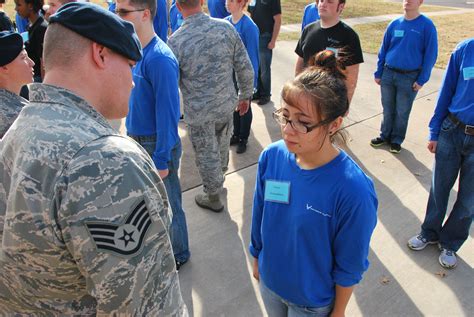
All aspiring loadmasters must complete the Basic Military Qualification course, a rigorous introduction to military protocol, physical endurance, and leadership training. Hosted at the Canadian Forces Leadership and Recruit School in Saint-Jean-sur-Richelieu, this program blends classroom instruction, field exercises, and physical fitness training over several intense weeks.
3. Occupational Qualification Training
Following BMQ, recruits undergo Traffic Technician Occupational Training at the Canadian Forces Logistics Training Centre in Borden, Ontario. This 12-week course imparts essential technical knowledge such as:
-
Operation of military cargo equipment (forklifts, bulldozers, etc.)
-
International shipping and customs procedures
-
Cargo documentation and military invoice management
This stage marks a crucial transition from general military service to the specialized logistics work that defines the loadmaster’s career.
4. Assignment to an Aircraft Platform
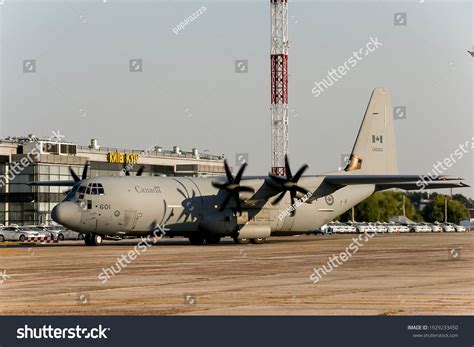
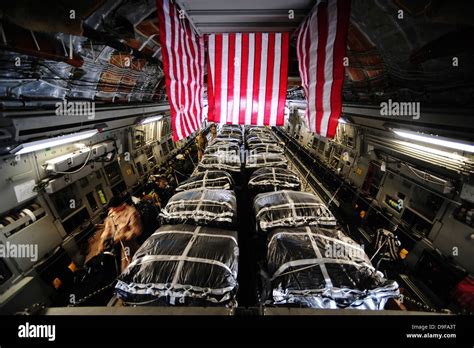
Upon certification, loadmasters are typically posted to one of several strategic RCAF transport aircraft, each serving unique logistical needs:
-
CC130H/J Hercules
-
CC150 Polaris (Airbus A310)
-
CC177 Globemaster III
-
CH147F Chinook helicopters
Each platform offers diverse cargo capacities and mission profiles, from humanitarian aid delivery to high-altitude airdrops of military supplies.
5. Pursuit of Advanced Specialization
Veteran loadmasters may be selected for advanced training, gaining skills in:
-
Hazardous material handling
-
Underslung helicopter operations
-
Aerial delivery and parachute drops
-
Tactical combat support and shipboard loading
These specializations expand a loadmaster’s operational flexibility, particularly in joint military operations or NATO deployments.
Loadmasters in Civil Aviation
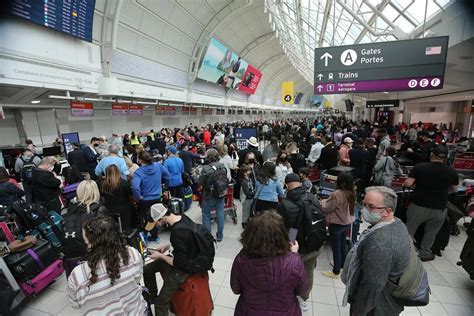
In the commercial sector, loadmasters—or cargo agents—play a pivotal role in airline logistics, particularly for companies specializing in freight-forwarding, high-value cargo transport, and international trade. These professionals:
-
Weigh and calculate freight load costs
-
Estimate arrival/departure times based on cargo mass and routing
-
Oversee baggage tracing, delayed shipment rerouting, and documentation compliance
-
Manage customer interactions related to freight inquiries and claims
While lacking the combat readiness element of their military peers, civilian loadmasters must still meet stringent safety and regulatory benchmarks, including those mandated by Transport Canada and the International Air Transport Association (IATA).
Critical Skills of a Loadmaster
Exceptional Communication Abilities
A proficient loadmaster must be a clear, confident communicator—fluent in both English and French—capable of conveying real-time updates, giving precise loading commands, and interfacing with both pilots and ground crews. In the military, these skills extend to issuing field orders and attending classified briefings.
Advanced Mathematical Aptitude
From estimating cargo weight to calculating fuel efficiency impacts, loadmasters rely heavily on mathematics. Every kilogram matters when managing weight and balance limitations, especially on missions involving short takeoffs or mountainous terrain.
Technological Proficiency
Loadmasters must be digitally literate, using software to manage cargo inventories, map air routes, and access weather data. Military loadmasters also engage in satellite communications, secure file transmissions, and aerial reconnaissance systems for cargo planning.
Negotiation and Problem-Solving Expertise
Adapting to unpredictable logistics scenarios—such as last-minute aircraft changes, overweight cargo issues, or emergency landings—is central to the job. Loadmasters negotiate with logistics officers, customs agents, and third-party vendors to deliver effective solutions under pressure.

Compensation and Career Outlook
The average salary for a loadmaster in Canada is $46,383 per year, though those in commercial freight operations can earn closer to $51,798 annually. Salaries scale with:
-
Aircraft type and mission complexity
-
Seniority and years of service
-
Specializations (e.g., dangerous goods certification)
-
Employer type (government vs. private sector)
While many begin their careers in the military, others transition to commercial airlines, shipping companies, aerospace contractors, and international logistics firms—bringing with them invaluable experience in precision freight operations.
FAQ: Loadmaster Profession
What is the main responsibility of a loadmaster?
The primary duty of a loadmaster is to safely manage, secure, and balance cargo aboard aircraft. They ensure that cargo does not exceed aircraft weight limits, complies with regulations, and is loaded for optimal flight performance and safety.
Is a loadmaster a pilot?
No, a loadmaster is not a pilot. However, they work in close coordination with pilots and flight engineers to prepare the aircraft for departure and may be on board during flights to monitor cargo stability and handle emergencies.
Can civilians become loadmasters?
Yes, civilians can become loadmasters, especially in the commercial air cargo industry. Many private sector positions require technical training in logistics, forklift certification, and experience in freight operations, but not military service.