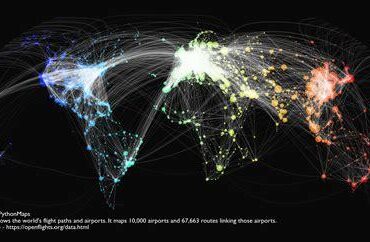
Commercial aviation forms the beating heart of global air travel, seamlessly connecting continents, cultures, and economies through highly regulated, profit-oriented air transport services. A commercial flight is defined as a scheduled or chartered passenger or cargo flight operated by a licensed airline for financial gain. This form of air travel is the most visible sector of civil aviation, interfacing daily with millions of travelers worldwide.
The global commercial aviation industry is anchored by major airline conglomerates such as Delta Air Lines, United Airlines, American Airlines, Emirates, and Lufthansa, each operating extensive networks across international and domestic routes. These carriers are central to the air transportation ecosystem, offering reliability, scalability, and regulatory compliance on a scale unmatched by other flight types.
The Core Characteristics of Commercial Flights
Commercial flights are underpinned by several defining characteristics that distinguish them from other aviation categories:
- Passenger and Cargo Transport: The primary mission is to carry passengers and freight. Cargo may include consumer goods, industrial parts, or high-value items like medical supplies.
- Scheduled Operations: These flights run on predetermined schedules published months in advance, enabling coordinated logistics and passenger planning.
- Stringent Regulation: In the United States, the Federal Aviation Administration (FAA) ensures commercial aviation adheres to strict safety and operational standards. Similar regulatory bodies exist worldwide, including EASA in Europe and CAAC in China.
- Profit Motive: Unlike governmental or non-profit aviation services, commercial airlines are profit-driven, with revenue generated through ticket sales, cargo fees, in-flight services, and loyalty programs.

The Historical Evolution of Commercial Aviation
The journey of commercial aviation began post-World War I, as military surplus aircraft found new life in civilian air transport. During the 1910s and 1920s, short domestic flights emerged, laying the groundwork for the modern airline industry. Aircraft such as the Ford Trimotor and Douglas DC-3 were instrumental in transforming aviation from a daring novelty into a viable means of mass transportation.
The post-World War II era ushered in a technological renaissance. Jet engines, pressurized cabins, and improved navigation systems revolutionized air travel. The Boeing 707, introduced in the 1950s, became the icon of the jet age, enabling transatlantic flights that were faster, more comfortable, and accessible to a growing middle class.
By the 1970s and 1980s, hub-and-spoke systems and the deregulation of airlines in the U.S. expanded consumer choice and reduced fares. The industry diversified further with the introduction of wide-body aircraft like the Boeing 747 and Airbus A300, increasing capacity and reducing cost per passenger mile.
Modern-Day Commercial Flight Operations
Today’s commercial flight ecosystem is a blend of technological sophistication, logistics coordination, and customer-centric service delivery. Commercial airlines operate across:
- Domestic Routes: Short to medium haul flights within national borders.
- International Flights: Cross-border air travel governed by bilateral agreements and international aviation law.
- Low-Cost Carrier (LCC) Services: Budget airlines such as Ryanair, Southwest Airlines, and AirAsia make flying accessible to cost-conscious travelers.
At the operational core are airport hubs, air traffic control networks, and sophisticated fleet management systems that monitor aircraft health, optimize routing, and ensure schedule adherence.
Other Major Categories of Aviation
While commercial aviation is the most prominent sector, it exists alongside several equally important types of flight:
Private Aviation:
Private flights offer a premium experience with full flexibility. Clients—typically corporate executives or high-net-worth individuals—enjoy custom schedules, exclusive terminals, and enhanced privacy. Aircraft range from turboprops like the Pilatus PC-12 to long-range jets such as the Gulfstream G700.
Cargo Aviation:
Cargo flights are vital to the global economy, delivering everything from e-commerce parcels to industrial components. Operators like FedEx, UPS, and DHL deploy both dedicated cargo planes and use belly space on commercial flights. Aircraft such as the Boeing 767 Freighter and Antonov An-124 are common in this sector.
Charter Flights:
Charter services are organized for specific events or client groups—sports teams, humanitarian missions, or seasonal vacation packages. They combine elements of private and commercial aviation and often use aircraft leased from third-party providers.
Military Aviation:
Exclusively government-operated, military aviation supports national defense, emergency logistics, surveillance, and combat operations. This category includes fighters like the F-35 Lightning II, transporters such as the C-130 Hercules, and unmanned aerial vehicles (UAVs).
General Aviation (GA):
Encompassing all non-commercial civil flights, GA includes flight schools, aerial photography, agricultural aviation, and recreational flying. It represents the largest segment of aircraft operations globally by volume.
Comparing Commercial Flights with Other Aviation Types
The differences between commercial and other flight categories are both operational and regulatory. Commercial aviation distinguishes itself through:
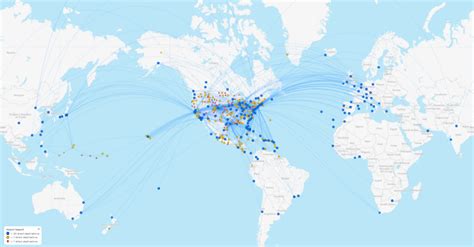
- Scale: A major airline like American Airlines transports over 200 million passengers annually, far outpacing private or charter operators.
- Infrastructure: Commercial aviation relies on a vast infrastructure—international airports, alliances, ground handling crews, and reservation systems.
- Regulatory Burden: Commercial operators must comply with a broader spectrum of national and international regulations than private or general aviation counterparts.
- Profit Dependency: Unlike government-funded military operations or not-for-profit training flights, commercial airlines exist to generate shareholder returns and remain competitive in highly saturated markets.
The Socioeconomic Importance of Commercial Aviation
The impact of commercial flights extends beyond individual mobility. It drives:
- Tourism: Facilitates travel to remote or otherwise inaccessible destinations, supporting local economies.
- Trade: Enables rapid shipment of goods across borders, essential for industries reliant on just-in-time supply chains.
- Globalization: Enhances cultural exchange and fosters international cooperation across politics, education, and research.
Prior to the COVID-19 pandemic, over 4.5 billion passengers took commercial flights annually, underlining its central role in modern civilization.
Emerging Trends in Commercial Aviation
The future of commercial flights is being shaped by innovation, environmental pressures, and changing consumer expectations. Key developments include:
- Sustainable Aviation Fuels (SAF): Airlines like KLM and United are pioneering SAF adoption to reduce carbon footprints.
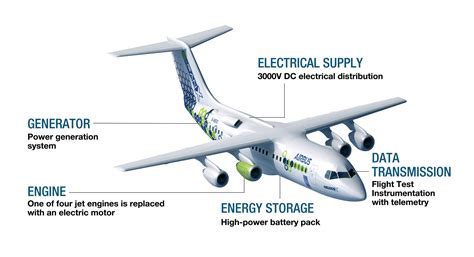
- Electric and Hybrid Aircraft: Startups such as Heart Aerospace and Eviation are developing electric aircraft for short-haul regional service.
- AI and Automation: From predictive maintenance to dynamic pricing models, artificial intelligence is revolutionizing airline operations.
- Passenger Experience Upgrades: Enhanced in-flight entertainment, biometric boarding, and seamless baggage tracking are becoming standard.
Conclusion
Commercial flights are more than just a mode of transport—they are a cornerstone of the modern world, empowering economies, connecting populations, and enabling global progress. From their historical roots in early 20th-century innovation to today’s sprawling airline networks, commercial aviation has become an indispensable element of human mobility.
While other types of flights serve vital roles—be it private luxury, military defense, or recreational aviation—commercial aviation remains the dominant force due to its scale, accessibility, and public utility. As the industry looks ahead to greener, smarter technologies and increased global connectivity, commercial flights will continue to shape the fabric of our interconnected lives.
FAQs
What qualifies a flight as “commercial”?
A commercial flight is defined by its intent to generate profit. It typically involves scheduled operations run by licensed carriers, transporting either passengers or cargo. It differs from private, charter, or government flights, which may not operate under the same economic or regulatory frameworks.
How are commercial flights regulated?
Commercial aviation is regulated by national and international bodies such as the FAA, EASA, and ICAO. These organizations enforce rules regarding safety, airspace management, pilot training, aircraft maintenance, and environmental impact.
Are commercial flights safer than other types of aviation?
Yes. Commercial flights adhere to the highest safety standards in the aviation industry. They undergo frequent inspections, employ highly trained personnel, and rely on sophisticated technologies to mitigate risk. According to data, commercial aviation remains one of the safest modes of transportation worldwide.