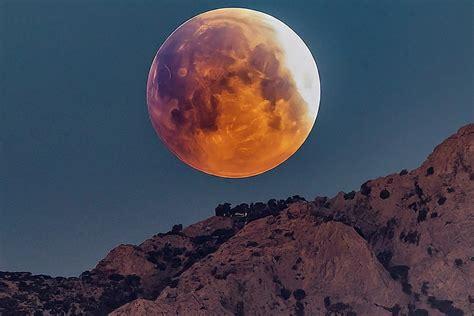
A supermoon is a celestial event where the full moon aligns with the perigee, the point in its orbit when it is closest to Earth. During this moment, the lunar disc appears noticeably larger and significantly brighter, offering one of the most visually compelling displays in our night sky. We describe it as a full moon amplified — up to 14% larger and 30% brighter than when positioned at apogee, its farthest point. While the percentage difference may seem small in mathematical terms, the perceptual change is striking enough to transform an ordinary night into a luminous showcase of cosmic choreography.
Supermoons occur several times a year, yet each holds a distinct charm. Every sighting reinforces the dynamic interplay between Earth and the Moon, reminding us that our solar system is constantly shifting and alive with motion. Observers often describe how the moonlight on a supermoon night turns landscapes silver-white, as if faintly illuminated by daylight itself. This glow encourages photographers, astronomers, hikers, and the merely curious to step outside and experience its intensity firsthand.
Part of the event’s emotional power lies not just in its brightness, but in its ability to reshape familiar surroundings. Streets, oceans, and deserts take on a heightened presence under its radiance, inspiring everything from creative nighttime photography to peaceful late-evening walks. The phenomenon is more than a lunar enlargement; it is a moment when routine reality is subtly rewritten by celestial geometry.
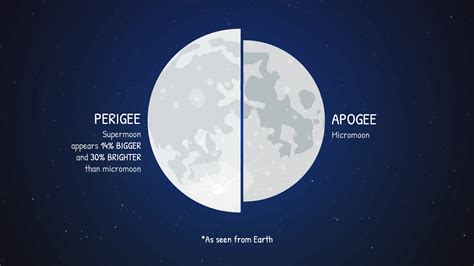
The moon’s orbit is not a perfect circle but an ellipse, which means its distance from Earth continually varies. When perigee coordinates with a full moon, the supermoon effect unfolds. Yet the visual drama intensifies even further due to the moon illusion, a psychological phenomenon that makes the moon appear enormous when positioned low on the horizon. This illusion interacts with the scientific brightness boost, producing a spectacle greater than the sum of its parts.
As the moon rises, our brains interpret its presence against earthly foreground objects such as buildings, trees, or mountains. That context tricks our perception into seeing a moon seemingly too large for the sky. The effect fades as it climbs, but the initial impression lingers, anchoring the supermoon in memory.
How to Experience a Supermoon at Its Best
Witnessing a supermoon does not require specialized astronomical equipment. We encourage viewers to seek open spaces where artificial light interference is minimal. Urban glow can diminish the contrast needed to appreciate the supermoon’s extra brilliance, so beaches, parks, and elevated viewpoints are excellent choices.
Another essential factor is timing. Because a supermoon behaves like any full moon, it rises near sunset and sets near sunrise, offering a long viewing window. The very best moment occurs shortly after moonrise, when the horizon magnifies the illusion and the moon’s warm tones deepen its visual impact.
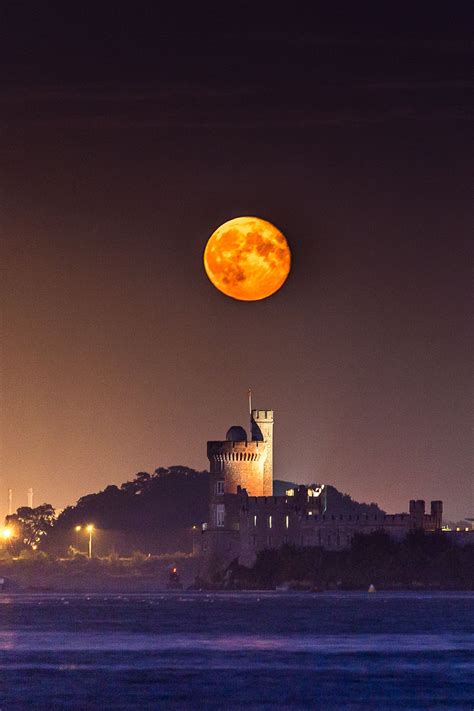
Photography enthusiasts benefit from tripods, night mode settings, and even a modest zoom lens to capture enhanced detail in the lunar surface. The lunar maria — dark basaltic plains — and crater rims become more prominent under the intensified brightness. For highly motivated observers, astronomy apps and weather trackers help pinpoint the ideal viewing window. Even a thin cloud layer can soften the moon’s edge, reducing the crisp quality that makes supermoons so memorable.
When to Watch the Next Supermoon
Supermoons follow predictable cycles, allowing astronomers to designate which full moons will gain the “super” classification each year. While several full moons may qualify annually, only one or two reach the tightest proximity to Earth and deliver the truly exceptional view. The next supermoon arrives on December 4th, offering another opportunity to enjoy this luminous performance.
Each event transforms the night into a reminder of how celestial motion shapes our experience on Earth. In observing a supermoon, we participate in a natural alignment that has unfolded for millions of years, yet still feels fresh and astonishing every time it appears.