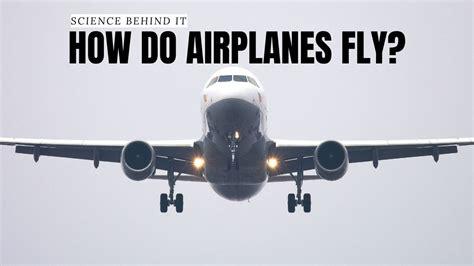
Flying has fascinated humankind for centuries, yet even in the modern age of commercial aviation, many still ask: how do planes fly? The concept seems counterintuitive—how can a massive metal structure weighing hundreds of thousands of pounds soar through the sky so effortlessly? In this comprehensive guide, we explore the science of flight, the engineering marvels behind airplanes, and why air travel remains the safest mode of transportation.
The Physics of Flight: Understanding Lift and Thrust
At the heart of aviation are two core physical forces: lift and thrust.
Lift is the upward force that counteracts gravity and holds the airplane in the sky. It is primarily generated by the wings, which are specially designed with a shape known as an airfoil. An airfoil has a curved top and a flatter bottom. As the airplane moves forward, air flows over and under the wings. Due to the curvature, the air on top travels faster, creating lower pressure above the wing compared to the higher pressure below. This pressure difference produces lift.
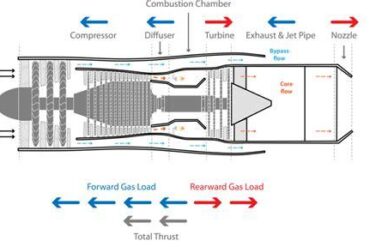
Thrust, meanwhile, is the forward motion generated by the aircraft’s engines. As the engines push air backward, the plane is propelled forward. The combination of forward motion and wing design enables lift to occur. Without sufficient thrust, there would be no airflow over the wings, and thus, no lift.
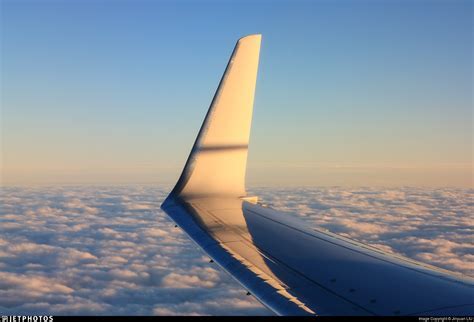
Another essential element is the angle of attack (AoA)—the angle between the wing and the oncoming air. A slight upward tilt allows the wing to push more air downward, increasing lift. However, if the AoA becomes too steep, airflow separates from the wing, causing a stall.
Simple Experiments That Explain Lift
To understand these principles firsthand, consider a couple of easy experiments:
- Bernoulli Paper Test: Hold a sheet of paper loosely in front of your mouth and blow over the top. The paper lifts—demonstrating lower pressure above and higher pressure below, a real-world example of the Bernoulli principle.
- Car Window Hand Test: While riding in a car (as a passenger), extend your hand outside the window. As the car accelerates, tilt your hand slightly. It will rise or fall depending on the angle, simulating how changes in the angle of attack influence lift.
These simple demonstrations mirror the fundamental concepts used in aircraft design.
What Happens If the Engines Fail?
Contrary to common fear, a complete engine failure does not mean immediate catastrophe. Aircraft are designed to glide in the event of engine loss.
Rather than falling like a stone, a plane trades altitude for speed, maintaining airflow over the wings to continue generating lift. This maneuver is called best glide speed, and modern aircraft are equipped with systems (and autopilots) to maintain this speed automatically.
Here are some real-world glide performance figures:
- Cessna 172: ~1.5 miles of glide per 1,000 feet of altitude.
- Airbus A320: ~3 miles per 1,000 feet.
- Boeing 747: Glide ratio of 15:1; from 10,000 meters altitude (~33,000 feet), it can glide approximately 150 kilometers (~93 miles).
A well-known example is the Gimli Glider, a Boeing 767 that lost all engine power mid-flight in 1983. Through expert handling and glide maneuvering, the pilots landed safely without any fatalities.
Aircraft Are Built for Redundancy and Safety
Airliners are constructed with safety as a primary principle. Despite their massive size, commercial planes are largely hollow, built from lightweight, reinforced materials that balance strength and performance. Think of them as “soda cans with wings”—tough but surprisingly light for their size.
Aircraft have multiple redundant systems:
- Two or more engines, spaced far apart so that one engine’s failure won’t affect the other.
- Multiple control surfaces and backup power systems.
- Advanced onboard sensors monitoring hundreds of parameters at all times.
Regular maintenance and inspections are strictly enforced by international aviation authorities. Components are replaced not only when broken but on routine schedules—often far ahead of failure probability. Aircraft mechanics follow protocols that include detailed logs, multiple sign-offs, and precise torque specifications for even something as minor as tightening a bolt.
The Role of Pilots and Autopilot Systems
Pilots are trained to an exceptional standard. Commercial flight crews regularly rehearse emergency scenarios, including complete engine failure, in simulators and in-flight conditions. A pilot must demonstrate proficiency in such situations as part of their licensing and recurrent training.
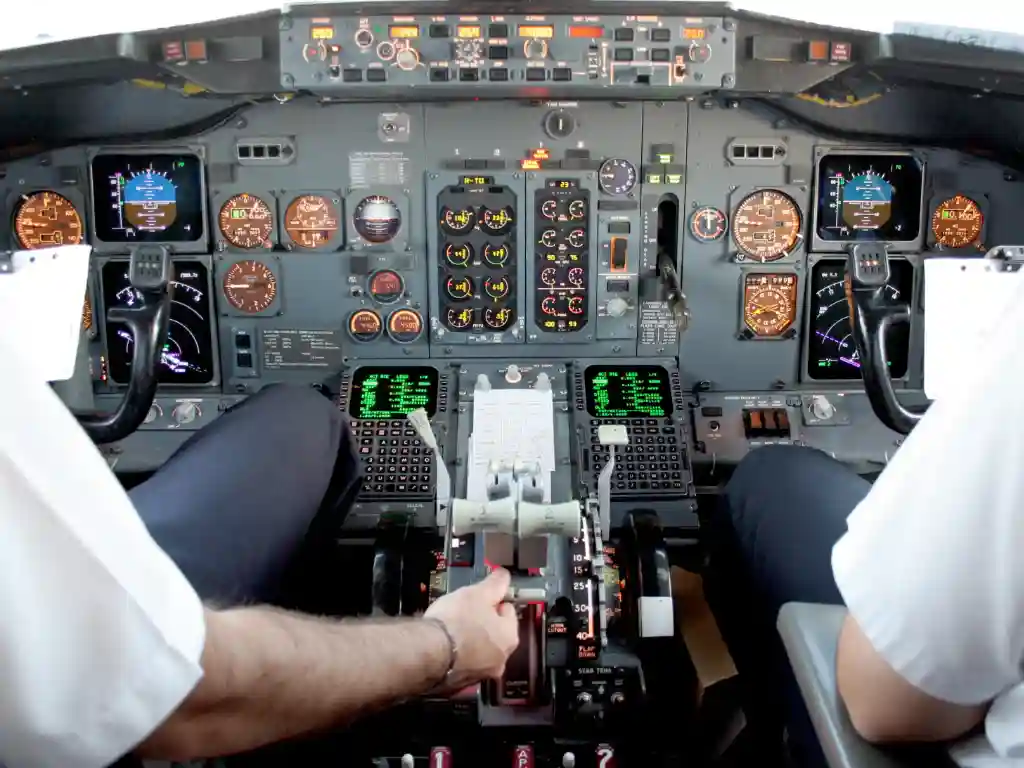
Modern aircraft also feature highly advanced autopilot systems. Autopilot typically handles most of the flight after takeoff, including en-route navigation and altitude control. Pilots manually control takeoff and landing and are ready to intervene at any moment. This dual setup prevents fatigue while ensuring constant human oversight.
Autopilot can even handle optimal glide paths during emergencies and is calibrated to maintain ideal airspeed for maximum glide distance.
Navigation, Avionics, and Precision Flying
Aircraft navigation is now more precise than ever. Modern jets rely on:
- GPS systems with accuracy up to 10 feet, allowing precise route following.
- Radio navigation aids that serve as backups to GPS.
- Air Traffic Control (ATC) coordination that ensures aircraft avoid hazardous weather or air traffic conflicts.
When a pilot touches down on a runway centerline—often within a few feet of the exact mark—they’re leveraging this integrated system of avionics, sensors, and training.
Turbulence: Uncomfortable, Not Unsafe
One of the biggest sources of flight anxiety is turbulence. Passengers feel rattled by sudden drops or shaking, but turbulence is rarely dangerous.
Turbulence is essentially airflow disturbance, similar to bumps on a road. Aircraft are engineered to withstand extreme flexing and stress. Wing strength testing shows wings can bend significantly before failure—far beyond what would occur in any real-world turbulence scenario.
Pilots avoid dangerous weather formations like cumulonimbus clouds, using onboard weather radar and meteorological forecasts. Seatbelt signs are posted during turbulence not due to fear of crash, but to avoid passenger injuries from abrupt movement.
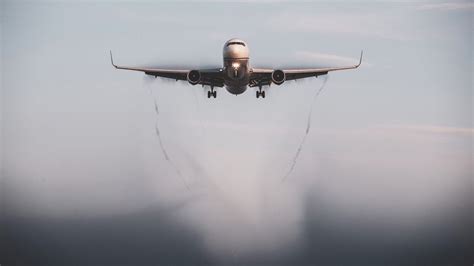
The so-called “jello theory” popularized on TikTok isn’t a scientific explanation but metaphorically alludes to how flexible wings behave like gel under motion. While not technically accurate, the message it conveys—that aircraft withstand turbulence without damage—is mostly true.
Clarifying Common Misconceptions About Lift
Debates often arise over what actually creates lift—is it the wing shape or angle of attack? The truth is, both are essential.
- Wing curvature (camber) helps establish airflow speed differences.
- Angle of attack manipulates the direction of airflow, deflecting air downward and generating upward reaction.
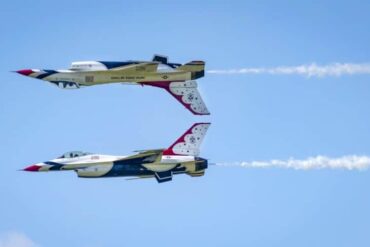
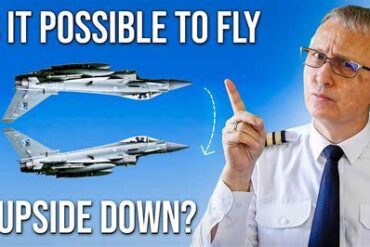
Neither component functions optimally in isolation. Fighter jets can fly upside down because their wings and controls allow it, but commercial airliners aren’t designed for inverted stress loads.
Why Flying Is Safer Than Driving
Statistically, flying is the safest way to travel. Some estimates suggest you’re 85 times more likely to die in a car crash than a plane crash. And yet, most people experience more anxiety in a plane than in a car. Why?
Because anxiety isn’t always rational. The fear of flying often stems from lack of control, enclosed spaces, and unfamiliar sensations. But the numbers tell a different story:
- Commercial airlines record years without fatalities.
- Every single flight undergoes meticulous pre-flight checks by mechanics and pilots.
- Airlines and airports adhere to global safety regulations with rigorous audits.
Managing Flight Anxiety Through Understanding
For those who suffer from flight anxiety, learning the science and safety behind aviation can offer relief. Exposure therapy, in which repeated flying builds familiarity, is highly effective. In some cases, short-term medication before flights may help manage physiological symptoms.
Talking to a pilot or aircraft technician can also alleviate fears. Their insights into training, procedure, and precision often provide reassurance far beyond online articles or statistics.
Final Thoughts: Planes Are Designed to Fly—Even Without Power
Aircraft don’t just happen to fly—they are engineered to want to fly. Their shapes, materials, and systems all converge to produce stability, lift, and safety.
Even in emergencies like engine failure or turbulence, planes remain in control. Pilots are ready. Systems are redundant. Training is extensive. For every frightening scenario, there are dozens of layers of protection.
The next time you buckle into a seat and feel the engines roar beneath you, remember: the airplane beneath you is not defying gravity. It is mastering it.