Flying an aircraft is a profound responsibility, requiring an intricate balance of technical expertise and human-centered abilities. To be a truly proficient aviator, one must cultivate a unique blend of hard skills and soft skills that ensure the safety, coordination, and success of every flight mission.
The Vital Importance of Soft Skills for Pilots
While technical training builds the foundation of a pilot’s career, it is the soft skills that often determine the difference between a competent pilot and an exceptional one. These interpersonal and cognitive abilities foster better teamwork, improve decision-making under pressure, and enhance operational safety.
Mastering Communication and Teamwork
Clear and consistent communication is the lifeline of aviation. Pilots must maintain an unbroken chain of dialogue with Air Traffic Control (ATC), crew members, and sometimes passengers. Miscommunication can lead to confusion, delays, or even accidents. Thus, pilots are trained extensively to use concise and standardized language during flights, ensuring clarity in all exchanges.
Equally important is teamwork. From coordinating with dispatchers and mechanics to collaborating with co-pilots and cabin crew, pilots function within a tightly woven network. A seamless flight depends not only on individual skill but also on how well each team member supports the others.
Stress Management and Decisive Action
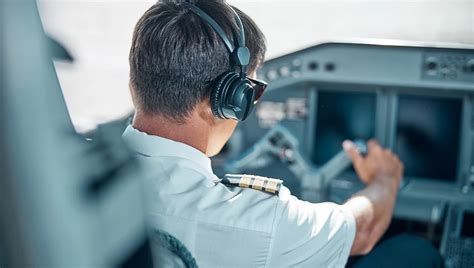
The unpredictable nature of flight operations demands excellent stress management. Emergencies such as sudden weather changes, technical malfunctions, or passenger health issues require pilots to remain calm and think methodically. Emotional resilience allows pilots to assess complex situations swiftly and respond with clear-headed, decisive action — an ability that can mean the difference between crisis aversion and disaster.
Pilots are trained extensively in Crew Resource Management (CRM) techniques to recognize stress triggers and apply structured decision-making frameworks. This ensures optimal outcomes even under extreme pressure.
Concentration, Focus, and Multitasking Ability
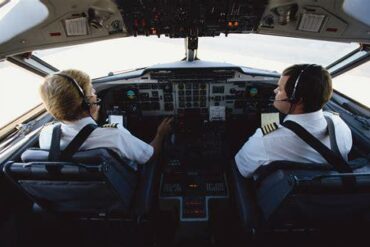
In the cockpit, a pilot must juggle multiple tasks simultaneously — monitoring instruments, communicating with ATC, navigating the aircraft, and managing onboard systems. Strong focus and the ability to multitask effectively are not optional but essential.
Distractions can be dangerous. Pilots practice situational scanning and prioritized task management, allowing them to maintain situational awareness while performing complex, concurrent operations.
Critical Hard Skills Every Pilot Must Master
Hard skills refer to the measurable, technical abilities that pilots must learn and refine through rigorous training and practical application. These skills form the bedrock of safe and effective flight operations.
Understanding Aircraft Systems and Avionics
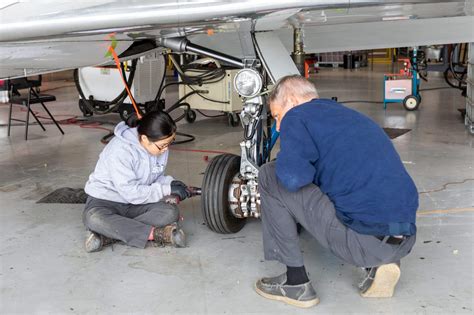
Before every takeoff, pilots conduct detailed inspections of their aircraft, ensuring all systems are functioning correctly. Mastery of aircraft systems and avionics is fundamental. Pilots must be adept at:
- Conducting comprehensive pre-flight checks
- Interpreting engine performance data
- Navigating complex avionics suites
- Monitoring fuel systems and weight balances
- Executing flight plan entries and modifications
Each system must be understood not only theoretically but also practically, under varying operational scenarios.
Mathematics and Physics Competency
A proficient pilot applies mathematical and physical principles daily. From calculating fuel consumption rates to determining optimal climb gradients, quantitative analysis underpins many aspects of aviation.
Pilots routinely use:
- Algebra for flight planning calculations
- Trigonometry for navigation and course plotting
- Physics concepts like lift, thrust, drag, and weight management
Understanding aerodynamics, center of gravity shifts, and weather influences demands a strong grounding in these subjects.
Situational Awareness and Environmental Vigilance
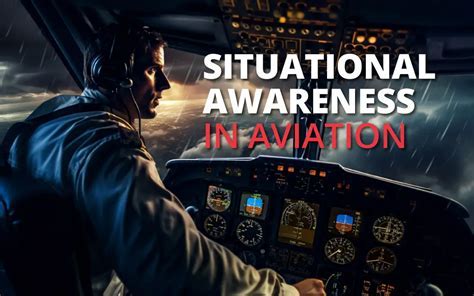
Perhaps one of the most vital hard skills is maintaining acute situational awareness. A pilot must constantly process information from various sources — weather updates, terrain warnings, air traffic movements, and system alerts — and integrate this data into an ongoing mental model of the flight environment.
High situational awareness enables a pilot to anticipate challenges rather than react to them. This proactive mindset enhances both safety and operational efficiency.
The Seamless Blend: Combining Hard and Soft Skills in the Cockpit
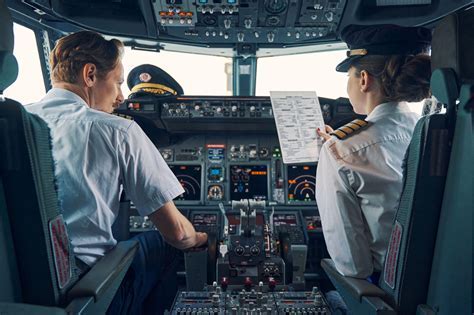
Superior pilots do not excel solely by mastering technical maneuvers or reciting aircraft manuals. Rather, their strength lies in the synergistic fusion of hard and soft skills. Consider a severe thunderstorm approaching the flight path: technical skills enable the pilot to navigate using instruments and reroute the aircraft, but it is emotional resilience, teamwork with co-pilots, and clear communication with ATC that ensure the rerouting happens smoothly and safely.
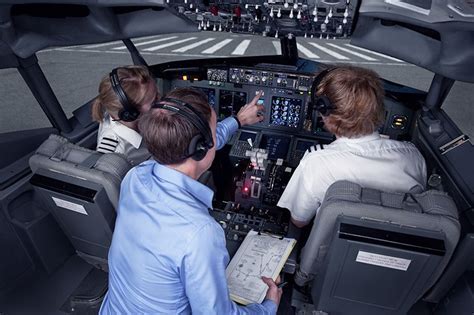
Training programs across the globe emphasize this integrated model. Multi-Crew Cooperation (MCC) courses, for instance, teach pilots not just how to fly but how to interact in multi-pilot cockpits, balancing authority with collaboration.
The Role of Continuous Learning and Adaptability
Aviation is a dynamic field. Regulations evolve, aircraft systems become more sophisticated, and new threats, like cyber vulnerabilities, emerge. Therefore, pilots must embody continuous learning and adaptability as core professional traits.
Proficiency checks, recurrent simulator training, and updates to operating procedures are part of every pilot’s career journey. Embracing a mindset of lifelong learning is not optional but imperative to sustain competency and ensure the highest standards of safety.
Moreover, pilots today must adapt not only to technological changes but also to cultural shifts in the industry — including greater emphasis on mental health, inclusion, and environmental sustainability.
Key Characteristics That Elevate Great Pilots
Beyond skills alone, certain intrinsic characteristics consistently distinguish outstanding pilots:
- Discipline: Following procedures and maintaining standards without shortcuts.
- Confidence: Trusting one’s training and decisions without arrogance.
- Humility: Recognizing limitations and seeking help when necessary.
- Integrity: Always prioritizing safety and ethical responsibility over convenience.
- Resilience: Bouncing back stronger from setbacks or errors.
These traits, while often cultivated through experience, are rooted deeply in personal values and professional commitment.
Conclusion: Shaping the Aviators of Tomorrow
In conclusion, becoming a pilot demands far more than the ability to manipulate flight controls. It requires a rich amalgam of technical acumen, interpersonal prowess, emotional intelligence, and ethical fortitude. From mastering complex avionics systems to remaining calm under extraordinary pressure, the skill set of a modern pilot is vast and ever-evolving.
Those who aspire to join the aviation community must approach their training with dedication, curiosity, and a willingness to grow — not only as aviators but as leaders, teammates, and stewards of safety in the skies. In mastering these diverse skills, we not only shape successful pilots but also advance the future of aviation itself.