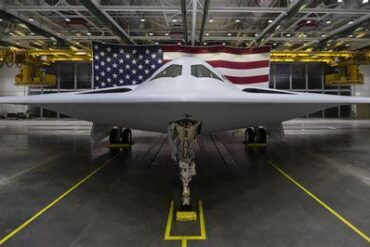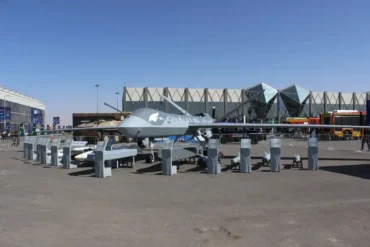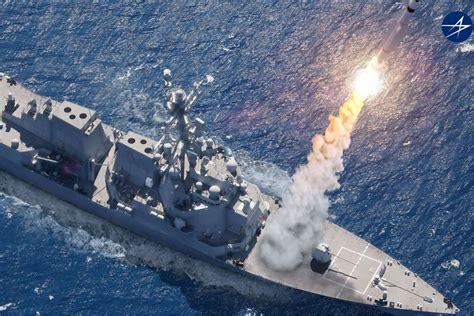
The United States Navy is accelerating its transition toward autonomous warfare, developing advanced systems designed to protect maritime security in an era defined by artificial intelligence, robotics, and increasingly complex threats. Through the Next Generation Undersea Security Initiative (NG-USI), the Navy is exploring new technologies capable of detecting, tracking, and responding to hostile systems across the ocean, air, land, and cyber domains.
The initiative reflects a major shift in naval strategy. Instead of relying only on crewed platforms, the Navy is building a network of intelligent machines that can operate independently, gather information, and support sailors during high-risk missions. These capabilities are expected to strengthen defenses against autonomous drone swarms, electronic warfare attacks, and AI-powered cyber threats.
NG-USI and the Rise of Autonomous Maritime Security
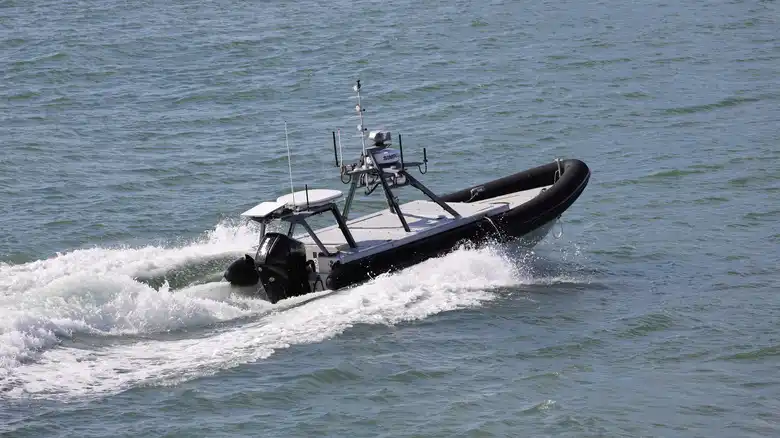
A central goal of the NG-USI program is creating advanced autonomous surveillance systems that can continuously monitor maritime environments. The Navy is examining commercial robotics and emerging technologies that could perform tasks such as ocean patrols, infrastructure inspections, and rapid threat detection without requiring constant human control.
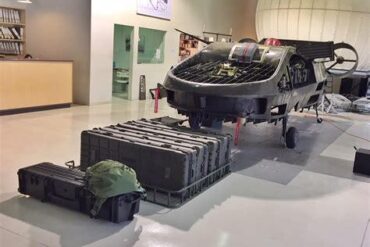
Potential solutions may include underwater sensors, intelligent cameras, unmanned ground vehicles, and autonomous drones capable of operating near coastlines or across open waters. These systems could also support electronic warfare missions by disrupting enemy communications, protecting critical networks, and providing early warnings of incoming threats.
The Navy has already experimented with long-endurance unmanned platforms, including solar-powered drones capable of remaining at sea for extended periods. Such systems demonstrate the potential of autonomous technology to expand surveillance coverage while reducing operational risks for personnel.
Autonomous Vessels Become a Naval Priority
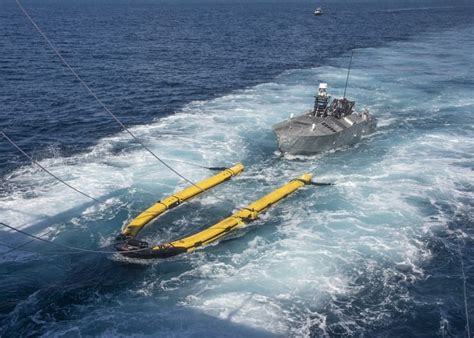
The development of unmanned maritime platforms has become one of the Navy’s most important modernization efforts. Chief of Naval Operations Adm. Daryl Caudle has acknowledged that the Navy must move faster in autonomous and drone technology while continuing major investments in unmanned air, surface, and underwater systems.
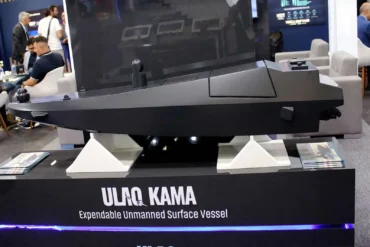
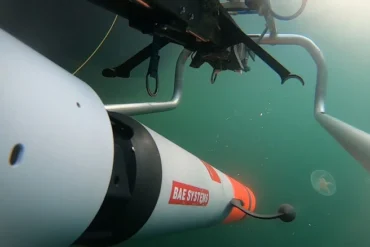
One major application involves autonomous vessels designed to detect and neutralize naval mines. By allowing machines to handle dangerous missions, the Navy can protect sailors from some of the most hazardous battlefield environments while improving operational efficiency.
Future concepts could involve networks of unmanned ships, underwater vehicles, and aerial drones working together as a coordinated force. These platforms would not operate separately but instead share information through advanced communication systems to complete complex missions.
The Future of AI-Powered Naval Warfare
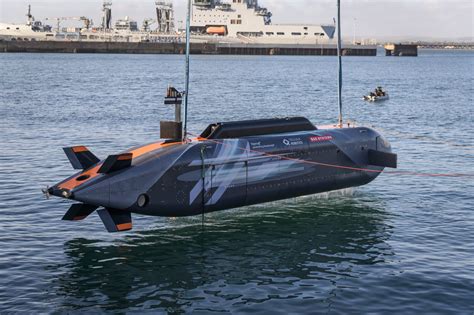
The Navy’s vision extends beyond individual autonomous vehicles. It is developing a connected battlefield where AI, robotics, and human decision-making work together. One emerging concept includes autonomous submarines capable of traveling long distances underwater before deploying additional unmanned systems.
This approach could allow the Navy to monitor larger areas, respond faster to threats, and maintain strategic advantages in contested environments. Other military powers, including China, have also advanced autonomous naval technologies, increasing pressure on the United States to accelerate innovation.
The future of naval warfare will likely depend on how effectively nations combine human expertise with machine intelligence. Through programs like NG-USI, the U.S. Navy is attempting to create a new generation of maritime defense systems designed for a rapidly changing battlefield.