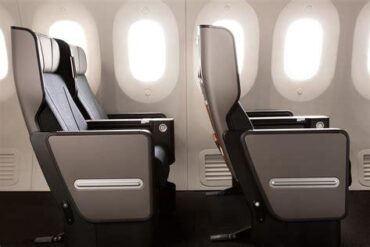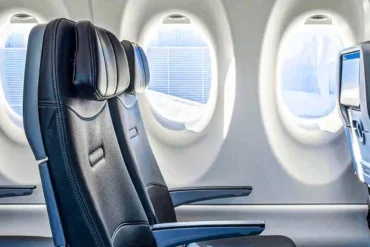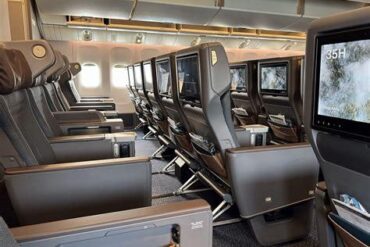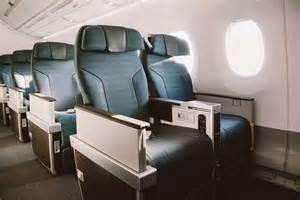
Premium economy has evolved from a niche cabin product into one of the most important battlegrounds in commercial aviation. In 2026, airlines around the world are accelerating investments in redesigned seats, larger premium cabins, improved entertainment systems, and more comfortable long-haul experiences. Once considered an optional upgrade between economy and business class, premium economy seats are now becoming a strategic revenue driver for many global carriers.
The growth of premium economy reflects a major shift in passenger expectations. Travelers increasingly want more comfort than traditional economy can provide but do not always want to pay the substantial premium required for business class. Airlines have recognized this demand and are responding with new-generation cabins designed around space, privacy, technology, and value.
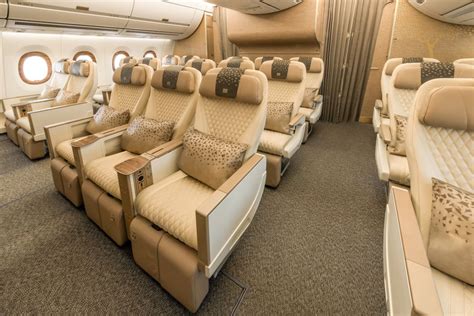
The expansion of premium economy is also closely connected to changes in aircraft fleets. Airlines are introducing the latest seats on newly delivered widebody aircraft, while older aircraft are receiving cabin retrofits during scheduled maintenance periods. This approach allows carriers to gradually transform their long-haul fleets without removing aircraft from service for extended periods.
In 2026, several airlines stand out for introducing some of the world’s newest premium economy seats, including major carriers from North America, Europe, the Middle East, and Asia-Pacific. Their investments reveal how airlines are reshaping the future of comfortable long-distance travel.
Why Premium Economy Has Become Aviation’s Fastest-Growing Cabin Class
The rise of premium economy is closely linked to the changing structure of commercial aviation. In the early days of passenger air travel, flying itself was a luxury experience reserved largely for wealthy travelers. Over time, airlines introduced economy class to make flying accessible to a broader audience, followed by business class in the 1970s to serve corporate travelers seeking additional comfort and workspace.
Today, the traditional four-class model is changing. First class has declined on many routes because business class products have become increasingly luxurious, featuring lie-flat seats, private suites, and premium dining. At the same time, economy class has become highly competitive as airlines focus on affordability and efficiency.
Premium economy has emerged as the middle ground between these two extremes. It provides travelers with additional space, better service, and enhanced amenities without the extremely high prices associated with business class.
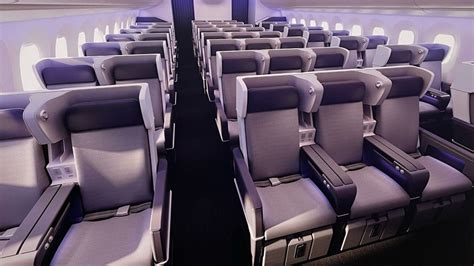
Modern premium economy cabins typically offer:
- 38 to 40 inches of seat pitch, providing significantly more legroom than standard economy.
- 18.5 to 19.5 inches of seat width, often with wider armrests and improved personal space.
- Greater seat recline, usually around 7 to 9 inches.
- Larger entertainment screens, commonly measuring 12 to 13 inches.
- Additional baggage allowances on many airlines.
For airlines, premium economy has become attractive because it generates higher revenue per passenger while using less cabin space than business class.
Lufthansa has described premium economy as a highly profitable cabin, noting that it can generate substantially more revenue per square foot compared with economy seating. Other airlines have reached similar conclusions as demand continues to rise among leisure travelers, corporate travelers paying their own expenses, and passengers upgrading with frequent flyer benefits.
Emirates Expands Its Premium Economy Revolution Across the Global Network
Among the airlines transforming premium economy in 2026, Emirates represents one of the biggest success stories. The airline was initially cautious about introducing premium economy because of concerns that it could affect its luxury brand positioning. However, strong passenger demand has completely changed that strategy.
Emirates now considers premium economy a major part of its future cabin strategy. The airline has been expanding the product across more routes as additional Airbus A380 and Boeing 777 aircraft receive interior upgrades.
The carrier’s newest Airbus A350 deliveries are also significant because they represent a new direction for Emirates. Unlike previous flagship aircraft configurations, some new A350s will focus on business class, premium economy, and economy seating rather than including first class cabins.
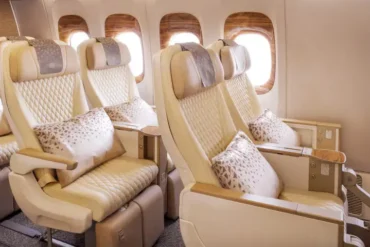
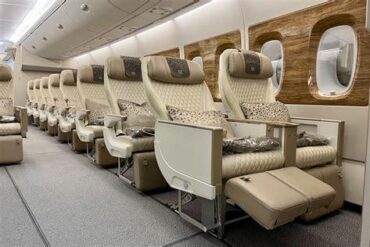
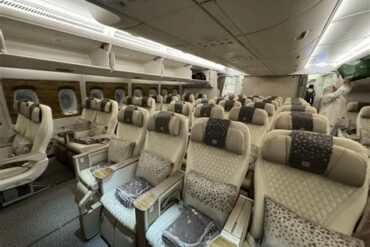
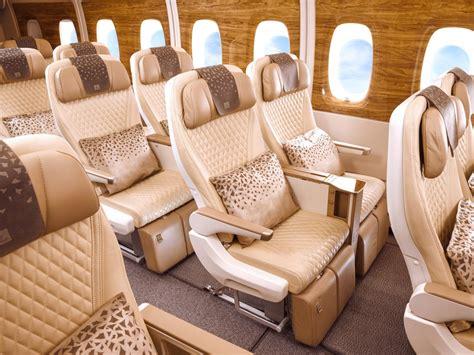
The Emirates premium economy experience includes wide leather seats, calf rests, upgraded dining, enhanced entertainment, and a more spacious cabin environment. The airline has positioned the product as a bridge between economy affordability and business class luxury.
By 2026, Emirates is expected to continue expanding premium economy availability across its network, adding more routes and increasing the number of aircraft equipped with the cabin.
United Airlines Brings a New Premium Economy Experience With Elevated Interiors
In the United States, United Airlines is introducing a refreshed premium economy experience as part of its Elevated Interior program. The airline is upgrading its Boeing 787-9 Dreamliner international cabins with a new generation of seating and improved passenger features.
United’s updated premium economy product is designed to provide more comfort on long-distance international routes, particularly from major hubs such as San Francisco, Chicago, and Newark.
The first aircraft featuring the updated interior began entering service around the transition into 2026, with routes including long-haul services between the United States, Europe, and Asia receiving the upgraded experience.
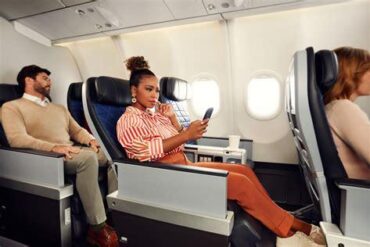
The new seats focus on improved ergonomics, larger entertainment displays, additional storage, and a more premium atmosphere. United’s investment reflects the increasing importance of premium cabins as international travelers become more willing to pay for extra comfort.
American Airlines Introduces Its New Premium Economy Strategy
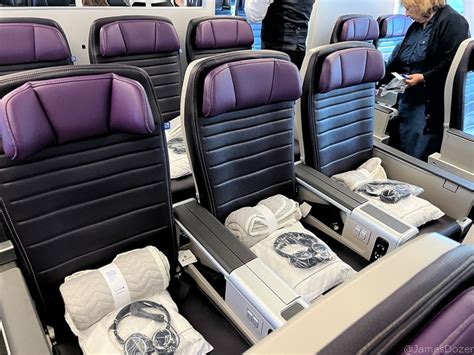
American Airlines is also undergoing a major cabin transformation. The airline introduced its latest premium economy seats on new Boeing 787-9 Dreamliners and Airbus A321XLR aircraft before expanding the product through fleet upgrades.
American’s premium economy strategy is particularly notable because it represents a broader shift away from traditional first class. The airline has been increasing premium economy capacity while refining its business class offering.
The redesigned seats feature improved comfort, enhanced privacy, upgraded storage, and more advanced technology compared with older premium economy products.
The Airbus A321XLR introduction is especially interesting because it expands premium seating beyond traditional widebody aircraft. Although premium economy has historically been associated with long-haul widebody jets, the A321XLR allows airlines to offer premium cabins on longer narrowbody routes.
European Airlines Accelerate Premium Economy Investments
European carriers are also introducing some of the newest premium economy seats in 2026. The region’s major long-haul airlines have increasingly embraced the cabin as passenger demand continues to grow.
Lufthansa is continuing its rollout of the Allegris cabin concept across Airbus A350 aircraft and Boeing 787 Dreamliners. The new premium economy seats are part of Lufthansa’s broader effort to modernize its passenger experience.
The Allegris premium economy cabin focuses on improved comfort, upgraded materials, and a more contemporary design. Older aircraft, including Boeing 747-8 models, are also scheduled for cabin improvements as part of Lufthansa’s long-term fleet modernization.
Meanwhile, Virgin Atlantic is expanding premium capacity with new Airbus A330neo aircraft featuring larger premium cabins. Virgin Atlantic has historically been one of the strongest supporters of premium economy, and its latest aircraft continue that tradition.
The airline’s premium product emphasizes spacious seating, premium dining, and a more relaxed travel experience for passengers who want more than economy without moving to business class.
Turkish Airlines Returns to Premium Economy After More Than a Decade
One of the most surprising premium economy developments in 2026 is the return of the cabin at Turkish Airlines. The airline previously operated premium economy but removed the product more than a decade ago.
Changing passenger demand has encouraged Turkish Airlines to reconsider the strategy. With one of the world’s largest international networks, the carrier sees an opportunity to attract travelers seeking additional comfort on long-haul routes.
The new premium economy offering will help Turkish Airlines compete more directly with European and Middle Eastern rivals that already provide upgraded economy experiences.
Asia-Pacific Airlines Push Premium Economy Innovation Forward
Asia-Pacific carriers have historically been among the strongest premium economy operators, and 2026 continues that trend.
EVA Air is especially important in premium economy history because it is widely recognized as one of the pioneers of the product. The airline introduced its original Evergreen Deluxe cabin in 1992, creating one of the earliest versions of modern premium economy.
The airline introduced its fourth-generation premium economy seats in recent years, featuring updated design, enhanced comfort, and improved passenger technology.
Singapore Airlines and Air France are also among the airlines upgrading their premium economy offerings in 2026, continuing the industry-wide movement toward more sophisticated premium cabins.
Air New Zealand is another major player expanding premium economy capacity. The airline is increasing premium seating availability on refurbished Boeing 787 Dreamliners, particularly for routes connecting New Zealand with North America.
The Future of Premium Economy Beyond 2026
The expansion of premium economy is expected to continue well beyond 2026. Several airlines have already announced future plans to introduce or expand premium cabins.
Hawaiian Airlines plans to introduce premium economy on its Airbus A330 fleet in the future, while Thai Airways is preparing premium economy upgrades for Boeing 777-300ER aircraft and incoming Boeing 787-9 Dreamliners.
LATAM has also announced plans for a new Premium Comfort cabin on Boeing 787 aircraft, showing that premium economy growth is not limited to traditional global carriers.
The broader industry trend is clear: airlines are reallocating cabin space toward premium products because passenger behavior has changed. Travelers are increasingly willing to pay for comfort, especially on flights lasting eight hours or more.
Premium economy has also benefited from the decline of first class. While first-class seating has decreased significantly compared with pre-pandemic levels, premium economy continues to expand as airlines search for profitable ways to improve passenger experience.
Premium Economy Seats Are Becoming the Future of Long-Haul Travel
The airlines introducing the world’s newest premium economy seats in 2026 are responding to a fundamental change in aviation. Passengers no longer see travel as simply a choice between cheap economy and expensive business class.
Instead, many travelers are looking for a balanced option that delivers comfort, space, and better service at a reasonable price.
From Emirates’ global expansion to United and American’s American market upgrades, Lufthansa’s Allegris rollout, and Asia-Pacific innovation from EVA Air and Air New Zealand, premium economy is becoming one of the most important developments in modern airline strategy.
As more aircraft receive new interiors and more routes gain premium economy availability, this cabin class is moving from a secondary product into a central part of the future passenger experience. In 2026 and beyond, the best premium economy seats will likely become the new standard for travelers seeking a smarter way to fly long distances.