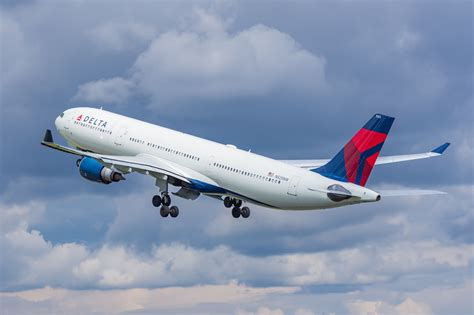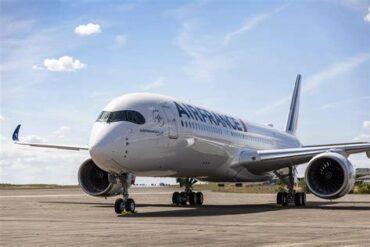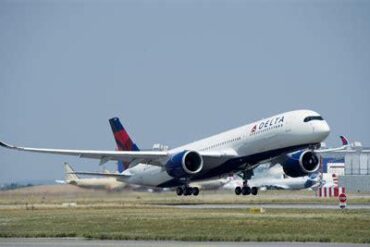
Delta Air Lines has built one of the most diverse fleets in the global aviation industry, combining modern Airbus aircraft with proven Boeing models that have served the airline for decades. Yet in a surprising twist, some of Delta’s newest Airbus jets have recently spent extended periods on the ground while much older Boeing aircraft have returned to daily operations to fill the gaps.
The situation is not because Delta has lost confidence in Airbus or because older aircraft suddenly became more efficient. Instead, the airline’s fleet strategy has been shaped by a combination of Pratt & Whitney engine inspections, certification delays, maintenance challenges, and operational flexibility. The result is a fascinating example of how a major airline balances modernization with reliability.
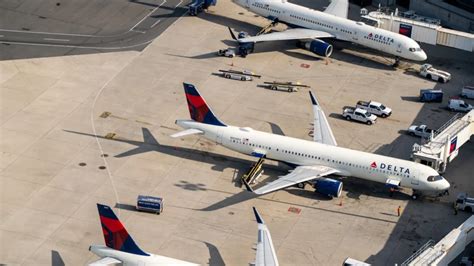
Pratt & Whitney PW1100G Engine Problems Put Delta’s New Airbus Fleet Under Pressure
Delta Air Lines has invested heavily in Airbus narrowbody aircraft in recent years, especially the Airbus A321neo and Airbus A220 family. These aircraft were expected to become the foundation of Delta’s future domestic fleet, replacing older Boeing 717s, Boeing 757s, and some aging narrowbody aircraft.
However, the introduction of these newer aircraft has not been completely smooth. One of the biggest challenges came from the Pratt & Whitney PW1100G geared turbofan engine, which powers many Airbus A320neo family aircraft.
In July 2023, Pratt & Whitney identified a manufacturing issue involving a rare condition in the powder metal materials used in certain engine components. The concern centered around parts inside the engine, including high-pressure turbine disks and compressor components, which could potentially develop cracks earlier than expected.
The problem required airlines to remove engines from service for detailed inspections. Instead of a quick maintenance check, many engines needed to be completely removed, disassembled, inspected, repaired if necessary, and returned to aircraft.
The scale of the issue became enormous. More than a thousand engines across Airbus A320neo aircraft, Airbus A220 aircraft, and Embraer E2 jets were affected. Some engine shop visits were expected to take between 250 and 300 days, creating a major capacity challenge for airlines worldwide.
For Delta, this created an unusual situation: aircraft that were only a few years old were unavailable while older jets that the airline had planned to retire continued flying.
Delta’s Young Airbus A321neo Fleet Faces Unexpected Ground Time
Delta was particularly exposed because it operated one of the largest fleets of Pratt & Whitney-powered Airbus aircraft in North America.
When the engine issue emerged, Delta had around 100 aircraft equipped with affected PW1100 engines, including its Airbus A321neo, Airbus A220-300, and Airbus A220-100 fleets.
The average age of these aircraft highlighted the unusual nature of the problem. Delta’s A321neos were only around two years old on average, while many A220 aircraft were also relatively new. These were exactly the aircraft Delta purchased to improve fuel efficiency, passenger comfort, and operational reliability.
Normally, airlines expect their newest aircraft to provide maximum availability. Instead, Delta had to manage a situation where some of its youngest aircraft were temporarily unavailable due to problems beyond the airline’s direct control.
The impact was not catastrophic for Delta because of one important advantage: fleet diversity.
Unlike airlines that rely heavily on a single aircraft family, Delta operates a wide range of aircraft types. This gives the carrier additional options when unexpected maintenance problems occur.
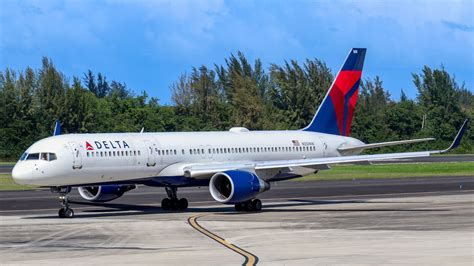
Older Boeing Aircraft Became Delta’s Unexpected Backup Solution
Delta’s continued operation of older Boeing aircraft suddenly became a major strategic advantage.
The airline still operates aircraft such as the Boeing 717, Boeing 757-200, Boeing 757-300, and several versions of the Boeing 737 family. Many of these aircraft were originally expected to gradually disappear as newer Airbus models entered service.
The Boeing 717 fleet, with an average age approaching three decades, was supposed to be replaced by more modern regional and narrowbody aircraft. The Boeing 757 fleet, which has been one of Delta’s most valuable aircraft families for decades, was also expected to slowly decline as newer Airbus A321neos took over similar missions.
However, the Pratt & Whitney engine crisis changed the timeline.
Instead of immediately retiring older aircraft, Delta was able to keep these Boeing jets active and use them as operational insurance. Their continued presence helped protect schedules, maintain route frequency, and reduce the impact of Airbus groundings.
This demonstrates why many airlines avoid rapidly eliminating older aircraft. While newer aircraft usually deliver better fuel efficiency and lower operating costs, older aircraft with proven reliability can provide valuable flexibility during unexpected disruptions.
Delta’s fleet strategy essentially created a safety net. When some new Airbus aircraft were unavailable, older Boeing aircraft were ready to step in.
Delta TechOps Helped Reduce the Impact of Airbus Groundings
Another major reason Delta managed the situation better than some competitors was its powerful internal maintenance organization, Delta TechOps.
The airline has invested heavily in maintenance, repair, and overhaul capabilities, allowing it to perform significant aircraft and engine work internally rather than relying entirely on outside suppliers.
In 2019, Delta expanded its relationship with Pratt & Whitney’s geared turbofan program by developing specialized maintenance capabilities for these engines. The airline built a dedicated 155,000-square-foot geared turbofan maintenance facility in Atlanta, equipped with dozens of engine bays.
The timing proved extremely valuable.
The facility became operational shortly before the PW1100G inspection crisis accelerated. While other airlines struggled with limited maintenance capacity and long waiting periods, Delta had greater control over its own inspection and repair process.
This did not eliminate the problem, but it gave Delta a significant operational advantage.
The airline could better manage engine inspections, prioritize aircraft availability, and continue supporting older aircraft that other airlines might have already retired.
Software and Cabin Certification Issues Added More Challenges
The Pratt & Whitney engine issue was the largest problem affecting Delta’s newest Airbus jets, but it was not the only challenge.
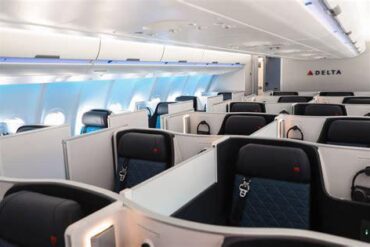
New aircraft programs often involve complicated certification processes, software updates, and cabin configuration approvals. Delta experienced delays related to new business-class seating certification, preventing some aircraft from immediately offering their planned premium cabin experience.
These delays show that introducing a new aircraft is rarely just about receiving the airplane from the manufacturer. Airlines must coordinate aircraft software, cabin systems, regulatory approvals, crew training, maintenance procedures, and passenger services.
A modern aircraft represents a highly complex technology platform, and even small issues can delay its full introduction.
For Delta, these challenges reinforced the importance of having a flexible fleet strategy.
Why Delta Is Still Buying Airbus Aircraft Despite the Problems
Despite the recent disruptions, Delta has not abandoned Airbus.
The airline continues to expand its Airbus fleet because the long-term advantages remain significant. Aircraft like the A321neo offer improved fuel efficiency, greater passenger comfort, longer range capability, and lower operating costs compared with many older aircraft.
Delta recently continued strengthening its A321neo commitment by exercising additional options for more aircraft, showing that the airline still sees the model as a central part of its future fleet.
The Pratt & Whitney problems represent a temporary challenge rather than a reason to reverse Delta’s modernization strategy.
Modern aircraft inevitably experience technical issues during their introduction. The Boeing 787 Dreamliner, Airbus A380, and other major aircraft programs have all faced early operational difficulties before becoming important parts of airline fleets.
Delta’s response has been to manage the problem rather than abandon the technology.
Fleet Diversity Remains Delta’s Greatest Operational Advantage
The story of Delta’s grounded Airbus jets and returning Boeing aircraft highlights one of the airline’s strongest characteristics: flexibility.
A fleet filled entirely with the newest aircraft may appear attractive, but it can create vulnerability when a major technical issue occurs. Delta’s mixture of Airbus and Boeing aircraft, along with its strong internal maintenance capabilities, allowed it to absorb disruptions more effectively.
The airline’s older Boeing aircraft are not returning because they are better than modern Airbus replacements. They are returning because they still provide value when the newest technology faces unexpected challenges.
In aviation, reliability is not only about having the newest aircraft. It is about having enough operational options to keep passengers moving.
Delta’s experience with Pratt & Whitney-powered Airbus jets demonstrates why major airlines maintain diverse fleets. New aircraft bring efficiency and innovation, while older aircraft provide proven dependability. Together, they create a balanced strategy that helps airlines navigate the unpredictable realities of modern commercial aviation.