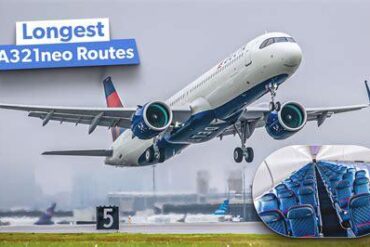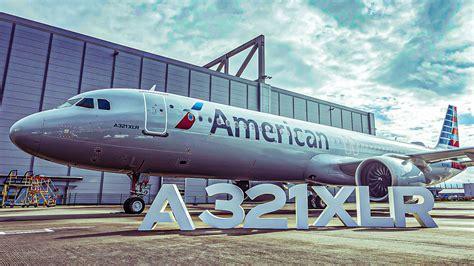
American Airlines is entering a new era of long-haul flying with the Airbus A321XLR, a narrowbody aircraft designed to connect cities that previously required larger widebody jets. Since receiving its first A321XLR in October, American has gradually expanded operations with the aircraft, creating a network that stretches across North America and the Atlantic. With a range of up to 4,700 nautical miles (8,700 km), the A321XLR gives airlines the ability to serve long-distance routes with lower capacity requirements and greater operational flexibility.
Unlike traditional widebody aircraft such as the Boeing 787 Dreamliner or Airbus A330, the A321XLR focuses on efficiency. Its extended fuel capacity allows airlines to operate flights lasting nearly ten hours while maintaining a smaller cabin size. For American Airlines, this opens opportunities on routes where passenger demand may not justify a larger aircraft but still requires premium long-haul service.
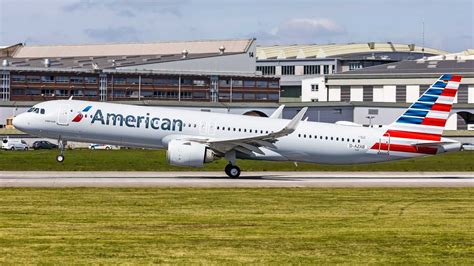
American Airlines became the first US carrier to introduce the Airbus A321XLR into commercial service, marking an important milestone for narrowbody international operations. The airline currently operates a small fleet of these aircraft, with additional deliveries expected in the coming years. Once all 40 aircraft are incorporated into the fleet, the A321XLR is expected to significantly reshape American’s network strategy.
The longest Airbus A321XLR route in American Airlines’ network will be the service between Barcelona-El Prat Airport (BCN) and New York John F. Kennedy International Airport (JFK). Scheduled to begin in October, this seasonal route will cover approximately 3,831 miles (6,165 km) with a maximum scheduled flight time of 9 hours and 40 minutes.
Barcelona to New York Becomes American Airlines’ Longest A321XLR Route
The Barcelona–New York route demonstrates exactly why the A321XLR was developed. A market with strong leisure and business demand does not always require a large aircraft every day, especially during seasonal periods. The A321XLR allows American Airlines to maintain a transatlantic presence while matching aircraft capacity with passenger demand.
The route will operate daily during its seasonal schedule, competing against carriers including Delta Air Lines and LEVEL, which already operate nonstop services between Barcelona and JFK. United Airlines also serves the market through Newark Liberty International Airport. However, American’s use of the A321XLR introduces a new operational model by bringing long-range narrowbody economics into a competitive international market.
The aircraft will offer passengers a long-haul experience while allowing American Airlines to improve efficiency. Lower operating costs compared with larger aircraft can make routes like this more sustainable, particularly when demand changes throughout the year.
Edinburgh and Amsterdam Join American’s A321XLR Atlantic Expansion
The second-longest A321XLR route in American Airlines’ network will connect Edinburgh Airport (EDI) with Philadelphia International Airport (PHL). Beginning in October, the seasonal service will cover around 3,347 miles (5,387 km) and operate with a maximum block time of 9 hours and 20 minutes.
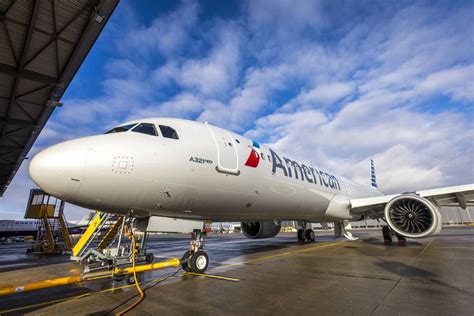
Edinburgh represents the type of market where the A321XLR can create new possibilities. Scotland has significant tourism and business connections with the United States, but demand levels may not always support a widebody aircraft. The A321XLR provides American Airlines with the ability to maintain international connectivity while reducing capacity risk.
Another major addition is the Amsterdam Schiphol Airport (AMS) to Philadelphia route. This service will also reach approximately 9 hours and 20 minutes, covering about 3,726 miles (5,997 km). Unlike the Edinburgh route, the Amsterdam service will operate year-round, demonstrating American’s confidence in the long-term demand between the Netherlands and the United States.
The aircraft will also replace larger equipment on selected routes. For example, American plans to introduce the A321XLR on its Lisbon to Philadelphia service, replacing the existing Boeing 787-8 operation. This change highlights how airlines are increasingly using advanced narrowbody aircraft to adjust capacity without removing international destinations.
American Airlines A321XLR Routes Transform Domestic Flying
Although the A321XLR is attracting attention for its Atlantic crossings, American Airlines is also using the aircraft on long domestic routes. The longest domestic operation is between Boston Logan International Airport (BOS) and Los Angeles International Airport (LAX).
This transcontinental service covers approximately 2,605 miles (4,193 km) and takes around 6 hours and 55 minutes gate to gate. The route demonstrates the aircraft’s versatility, offering airlines a premium long-range narrowbody option even within a single country.
Another major domestic route connects New York JFK and San Francisco International Airport (SFO). Covering about 2,579 miles (4,151 km), the flight takes approximately 6 hours and 35 minutes. American also operates the A321XLR between New York and Los Angeles, while limited services between JFK and Las Vegas showcase additional flexibility.
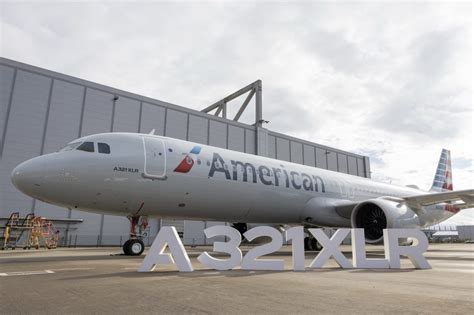
These domestic missions are important because they allow American Airlines to maximize aircraft utilization. An aircraft capable of both transcontinental and international missions can provide more scheduling options compared with traditional single-purpose fleets.
The Future of American Airlines’ Long-Haul Narrowbody Strategy
The Airbus A321XLR represents a major shift in how airlines approach long-distance flying. For decades, international routes were dominated by widebody aircraft, but changing passenger demand has created opportunities for smaller, more efficient planes.
American Airlines’ growing A321XLR network shows how the aircraft can support routes that balance range, capacity, and profitability. Its longest flights approaching 10 hours prove that narrowbody aircraft are no longer limited to short regional missions.
As more A321XLR aircraft join American’s fleet, the airline will have greater flexibility to explore new city pairs and adjust existing routes. The aircraft may become a key tool for expanding international connectivity while maintaining efficient operations in a changing aviation market.