Becoming a flight attendant is not merely a career choice—it is a lifestyle decision that demands resilience, adaptability, and an unwavering passion for travel and customer service. While the glamorous appeal of jet-setting across the globe often draws attention, the path to becoming a flight attendant is built on preparation, strategic job applications, and a deep understanding of the aviation industry’s expectations. In this article, we walk through every critical step you must take to break into this competitive but rewarding field.
Understanding the Real Requirements
Contrary to popular belief, you don’t need to attend an expensive flight attendant school or complete specialized aviation courses to be eligible for most flight attendant positions. The majority of commercial airlines do not require formal education in aviation prior to hiring. What they value more than anything is front-facing customer service experience, a professional demeanor, and the willingness to relocate or commute to a designated base.
Many aspiring attendants already possess a strong foundation if they’ve worked in retail, hospitality, or customer-facing roles. Airlines recognize that the essence of the job is about ensuring passengers feel safe, informed, and well cared for throughout their journey.
Initial Steps Toward the Cabin Crew Career
The first step is to focus on your resume. Highlight experiences that demonstrate your interpersonal skills, crisis management capabilities, and the ability to work in a team. Emphasize leadership roles, customer interactions, and problem-solving scenarios.
Most airlines provide training upon hiring, meaning your focus should be on landing the interview. Key qualities airlines assess include:
- Polished communication skills
- Poise under pressure
- Teamwork and collaboration
- Adaptability and flexibility
- Cultural sensitivity
Airlines such as Delta, United, American, JetBlue, and Alaska Airlines all follow similar hiring formats where customer service takes precedence over technical aviation training.
Navigating Airline Application Portals
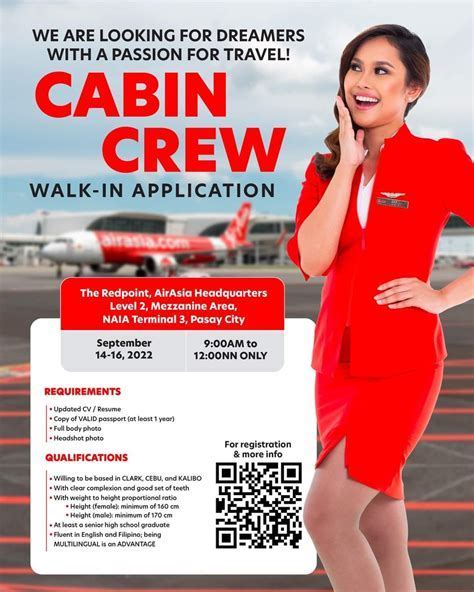
You should apply directly through the official websites of airlines. Most carriers post openings in the “Careers” or “Jobs” section, and many allow you to sign up for notifications when Flight Attendant positions become available.
It’s essential to research each airline’s hub locations, as you’ll be assigned a base after training. Willingness to relocate is often a deal-breaker. For instance:
- Alaska Airlines bases are located in Anchorage, Seattle, Portland, San Francisco, Los Angeles, and San Diego.
- SkyWest Airlines, a popular regional carrier, provides a strong entry point with bases across the U.S.
Preparing for the Flight Attendant Interview
Once your application catches the recruitment team’s attention, expect a multi-phase interview process. This typically includes:
- Online application screening
- Video interview (recorded or live)
- Virtual or in-person group interviews
- Final one-on-one interview
Prepare by studying the STAR method (Situation, Task, Action, Result) to effectively articulate your experiences. Rehearse responses to situational questions like:
- “Describe a time you dealt with a difficult customer.”
- “Tell us about a situation when you worked under pressure.”
Appearance also matters. Opt for conservative business attire, neutral tones, and well-groomed presentation. This communicates professionalism and aligns with airline standards.

Flight Attendant Training: What to Expect
After receiving a Conditional Job Offer (CJO), candidates attend airline-sponsored training which lasts from four to eight weeks. This is a rigorous program, covering:
- Safety protocols and emergency evacuation procedures
- First aid and CPR certification
- Aircraft-specific equipment training
- Security awareness and federal aviation regulations
- Service excellence including food and beverage handling
Training is typically unpaid and extremely fast-paced. Daily exams, drills, and role-play scenarios are common. Failure to meet the airline’s performance benchmarks can result in dismissal from the program.
Understanding Airline Bases and Commuting Realities
Relocation is a common expectation. Airline bases are where crew schedules originate, and being close to your assigned base is crucial for timely dispatch. If your airline’s base is not in your city, you’ll likely need to commute by air—which involves catching a flight from your home city to your base before your duty day begins. This is feasible but can be draining over time.
In the DMV (DC, Maryland, Virginia) area, the most accessible bases for major carriers include:
- BWI (Baltimore/Washington International Thurgood Marshall Airport)
- DCA (Ronald Reagan Washington National Airport)
- IAD (Washington Dulles International Airport)

Climbing the Ladder: From Regional to Major Airlines
Starting with a regional carrier can be a strategic move. Airlines like SkyWest, Envoy, Endeavor Air, and PSA Airlines often hire more frequently and offer a faster route to accumulating flight hours and gaining seniority. After gaining a year or two of experience, many flight attendants transition to mainline carriers like American, Delta, or United where pay and benefits are substantially better.
This path also allows new hires to experience the lifestyle and determine whether they’re prepared for the long-term commitments of life in the skies.
Evaluating Lifestyle and Compensation
Becoming a flight attendant means embracing a nontraditional work schedule. Expect:
- Irregular hours, including overnights and weekends
- Reserve status during your early months (on-call shifts)
- Frequent travel disruptions
- Long hours without access to home or privacy
However, the benefits are substantial:
- Free or discounted flights (for yourself and eligible family)
- Per diem payments for meals and lodging
- 401(k) plans, health insurance, and union protections (at most mainline carriers)
- Exposure to global destinations

Final Tips for Aspiring Flight Attendants
- Have a valid passport ready before applying. It’s a requirement for most international routes.
- Practice speaking clearly and confidently in different social settings.
- Watch flight attendant YouTube channels to get unfiltered insights into daily routines.
- Join cabin crew forums or Reddit communities like r/cabincrewcareers to learn from others’ journeys.
- Don’t give up after rejection. Airlines receive thousands of applications, and persistence is key.
Conclusion: Your Journey Takes Off When You Do
Becoming a flight attendant is a journey that starts on the ground—with research, personal preparation, and a relentless drive to succeed. It’s a job that opens the world, but only to those who can handle the altitude of its demands. From customer service roots to international layovers, the path is wide open for anyone who is willing to put in the work, adapt constantly, and represent their airline with pride.
The skies are waiting—and your seat in the cabin crew might just be one confident application away.