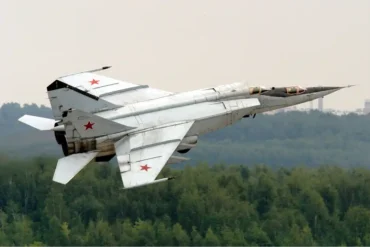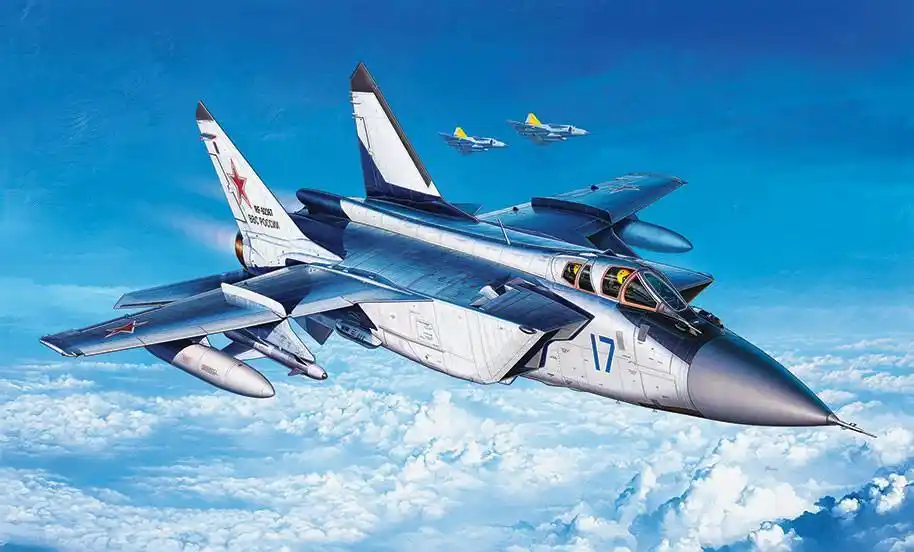
The MiG-31, a key asset of Russia’s air defense strategy, continues to serve as an essential component of the country’s military aviation fleet. However, with the inevitable passage of time and evolving technological landscapes, questions surrounding its retirement are becoming increasingly pertinent. When will the MiG-31 be retired, and what factors will influence its longevity in the Russian Air Force? In this detailed analysis, we will examine the potential timeline for its retirement, exploring the aircraft’s current role, modernizations, and strategic significance.
Overview of the MiG-31 and Its Role in the Russian Air Force
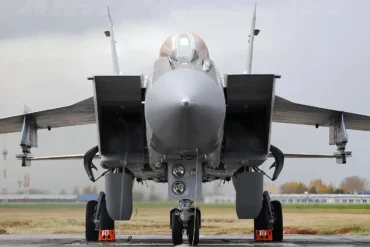
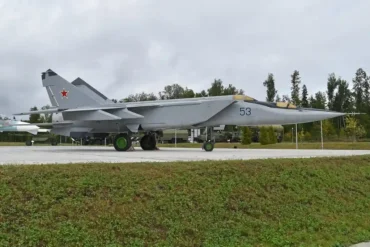
The MiG-31 was introduced into service with the Soviet Union in 1981 and quickly established itself as one of the most formidable interceptors in the world. Its primary mission was to intercept and destroy high-speed, high-altitude targets, including bombers and reconnaissance aircraft. Over time, the MiG-31’s capabilities have been expanded, allowing it to engage a wider range of aerial threats, including cruise missiles and ballistic missiles, while also providing strategic defense for Russia’s vast and often inhospitable territories.
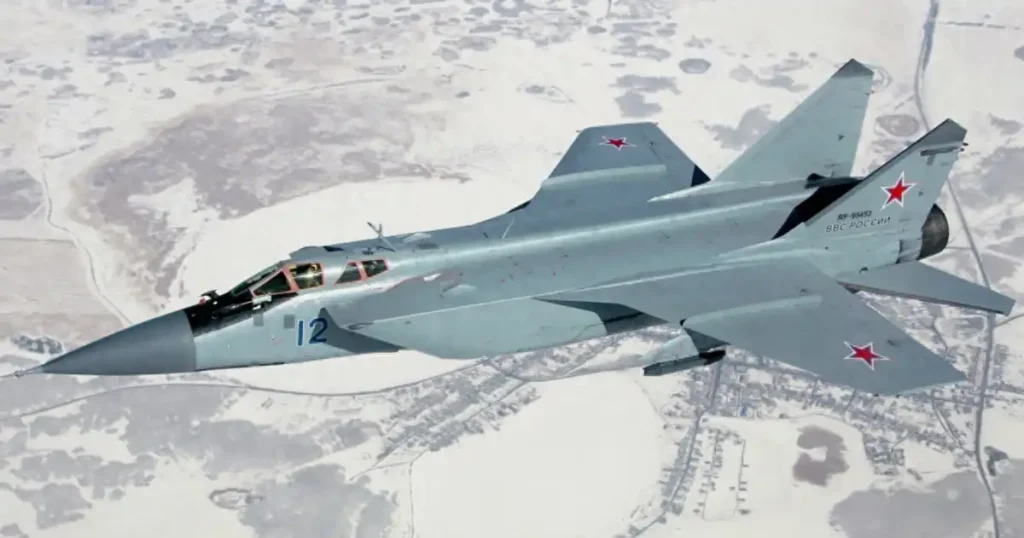
Today, the MiG-31 remains a cornerstone of Russia’s air defense infrastructure, with its specialized design allowing it to operate in extreme conditions, including the harsh climates of Siberia and the Arctic. Despite its age, the aircraft continues to demonstrate remarkable endurance, and the Russian Ministry of Defense has invested heavily in modernizing the fleet to extend its operational life.
Modernization Programs: A Glimpse Into the Future
While the MiG-31 was initially designed for the Cold War, it has undergone significant upgrades in recent years. The introduction of the MiG-31BM and MiG-31K variants showcases the aircraft’s adaptability to new combat scenarios and modern technological advancements.
Technological Enhancements: Keeping the MiG-31 Relevant
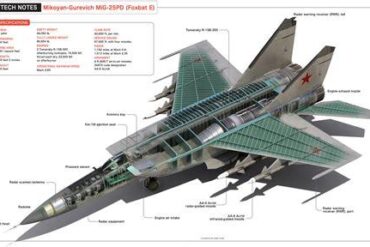
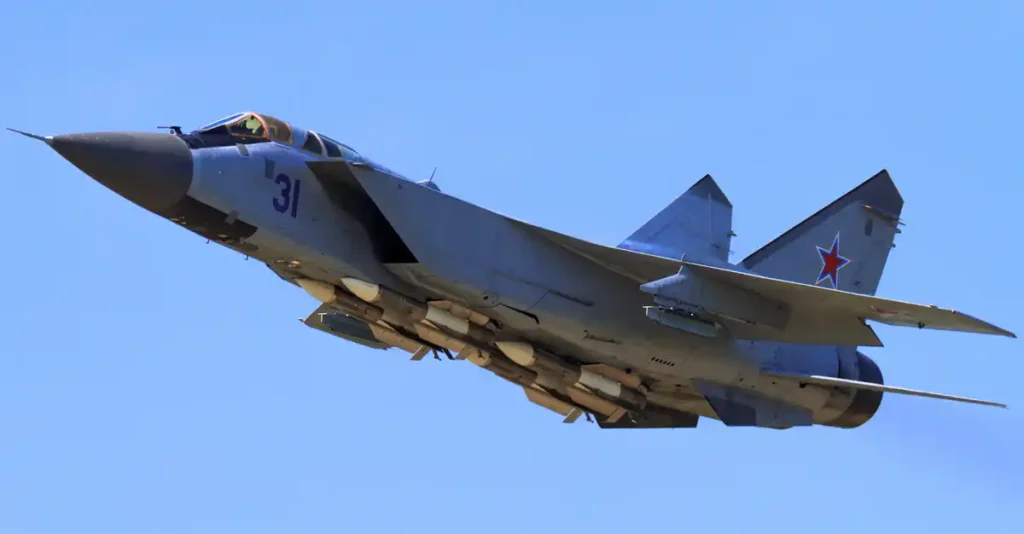
The MiG-31BM, an upgraded version of the original MiG-31, incorporates several critical improvements. These include an advanced radar system (the NIIP N007S-800 phased array radar), enhanced avionics, and a modernized data link. These upgrades increase the aircraft’s range, detection capabilities, and ability to engage targets at extended distances. The introduction of the MiG-31K variant, specifically designed to carry the hypersonic Kinzhal missile, highlights the aircraft’s versatility in executing both tactical and strategic missions.
A Multifaceted Role: Interceptor, Strike Platform, and Strategic Deterrent
The MiG-31’s role has expanded beyond air defense into the realm of offensive operations. As the launch platform for the Kinzhal hypersonic missile, the MiG-31K provides Russia with a powerful tool for strategic deterrence. This missile, capable of traveling at speeds exceeding Mach 10, is a formidable weapon against both land and sea targets. Additionally, the MiG-31K has been used in several key military operations, including in the ongoing conflict between Russia and Ukraine, further proving the aircraft’s value.
Furthermore, the MiG-31 is now tasked with countering modern air threats, particularly from NATO. As NATO forces deploy increasingly advanced aircraft like the F-35, the MiG-31’s ability to intercept and engage high-speed, low-observable targets remains indispensable to Russian defense strategies.
Engine Production and Logistic Support: Ensuring Long-Term Viability
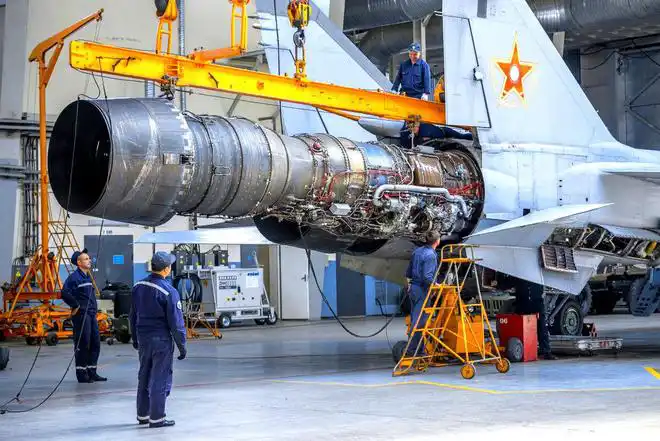
A crucial factor in the longevity of the MiG-31 fleet is the continued availability of spare parts and engines. The MiG-31 relies on the D-30F6 engine, a powerful powerplant that has been in service for decades. As the engine ages, maintenance and replacement become increasingly critical for ensuring the operational readiness of the aircraft.
In recent years, Russia has taken steps to address these challenges by restarting the production of the D-30F6 engine. This initiative is vital, as the engine’s lifespan was previously a limiting factor for the MiG-31’s continued service. The reactivation of the production line ensures that the Russian Air Force can maintain its fleet of MiG-31s without relying on outdated or obsolete components. Should this initiative prove successful, the MiG-31’s service life could be extended for many years, potentially well into the 2030s and beyond.
Strategic Considerations: Geopolitical Pressures and Operational Demands
One of the defining factors in determining the MiG-31’s retirement date is the ongoing strategic demands placed on the aircraft. Russia’s vast geography, including remote regions like the Arctic and Siberia, necessitates an advanced air defense system capable of covering vast expanses with limited infrastructure.
The MiG-31’s Role in Russia’s Northern and Eastern Defense
In regions where radar coverage is sparse and other defense systems are insufficient, the MiG-31’s long-range intercept capabilities are invaluable. The aircraft’s ability to operate in these areas, intercepting threats from the air or space, gives Russia a significant advantage in maintaining control over these strategic regions.
Countering NATO and Emerging Threats
In addition to its geographical importance, the MiG-31 serves as a countermeasure to NATO’s growing military presence along Russia’s borders. The increasing deployment of advanced Western aircraft, such as the F-35 Lightning II, has made the MiG-31 an even more crucial asset for Russian air defense. As NATO continues to expand its technological capabilities, Russia will likely rely on the MiG-31’s speed, range, and versatility for the foreseeable future.
Retirement and Replacement: What’s Next for the MiG-31?
As with any military platform, the eventual retirement of the MiG-31 is inevitable. However, the question remains: when will this happen, and what will replace it?
The MiG-41: Russia’s Next-Generation Interceptor
Russia is currently developing the MiG-41, a next-generation interceptor designed to replace the aging MiG-31. The MiG-41 will feature advanced stealth capabilities, enhanced missile systems, and even greater speed than its predecessor. However, the MiG-41 is still in the early stages of development, and there is no clear timeline for its deployment.
Given the slow pace of the MiG-41’s development and the significant financial and logistical challenges involved in rolling out a new aircraft, it is unlikely that the MiG-31 will be retired in the near future. Even if the MiG-41 enters service in the coming years, it may only partially replace the MiG-31, with both aircraft types potentially operating in parallel for some time.
Economic Factors: Upgrading vs. Replacing
The cost of replacing the MiG-31 fleet is another significant consideration. Producing new aircraft is expensive, and Russia may opt to continue upgrading its existing MiG-31 fleet to maintain operational readiness while saving on the costs of developing and deploying new aircraft. Upgrading existing platforms allows for more efficient use of resources, and with the MiG-31’s ongoing modernization programs, Russia may choose to keep the interceptor in service well into the 2030s or even 2040s.
When Will the MiG-31 Be Retired? A Likely Timeline
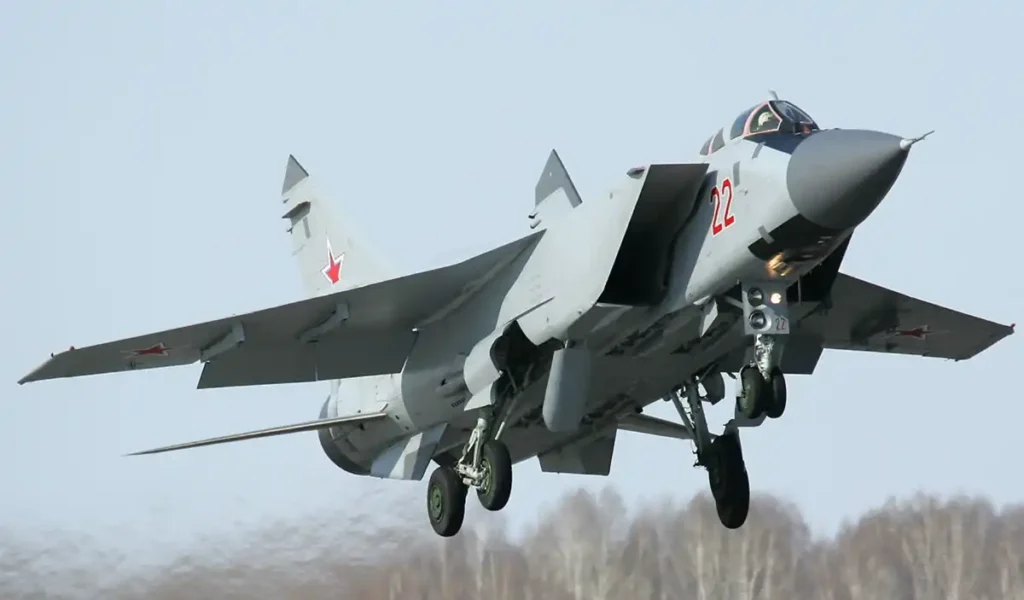
While an exact date for the MiG-31’s retirement remains uncertain, a combination of factors suggests that the aircraft will remain in service for at least another decade, if not longer. With its modernized systems, strategic role, and vital position in Russia’s air defense infrastructure, the MiG-31 could continue to operate into the 2030s and possibly even the 2040s.
Key milestones, such as the completion of MiG-31 upgrades, successful engine production restarts, and the eventual introduction of the MiG-41, will ultimately determine the aircraft’s retirement timeline. For now, the MiG-31 remains a critical component of Russia’s air superiority strategy, and its continued service is likely to be assured for years to come.
Conclusion
The MiG-31 is a testament to Russian engineering and ingenuity. Its ability to adapt to modern warfare, remain operational in the harshest conditions, and counter evolving air threats ensures its place in Russia’s defense strategy for the foreseeable future. Whether it serves into the 2030s or beyond, the MiG-31’s legacy as one of the world’s most effective interceptors is assured. As long as Russia continues to invest in its modernization and maintain its operational capacity, the MiG-31 will likely remain a cornerstone of Russian air defense for years to come.