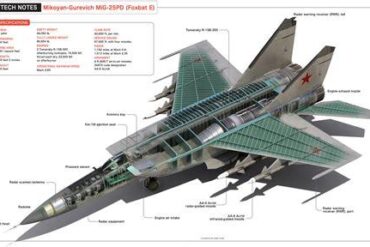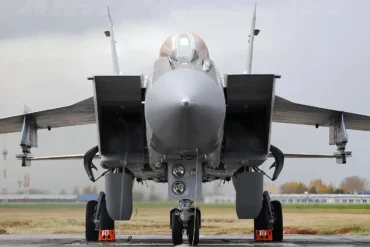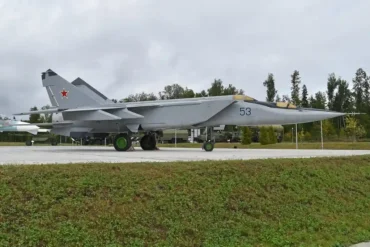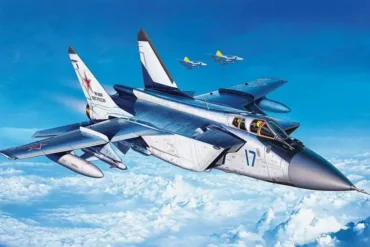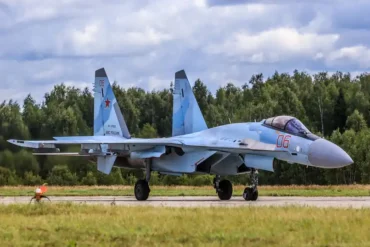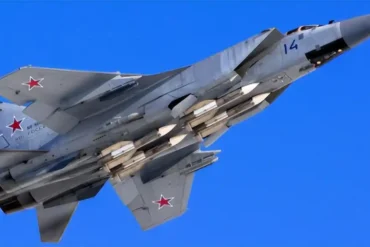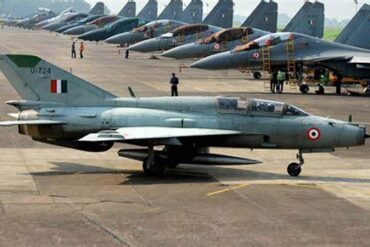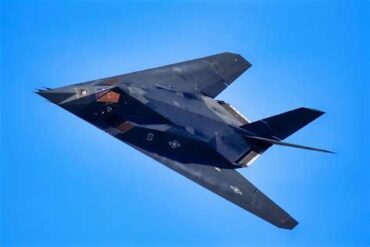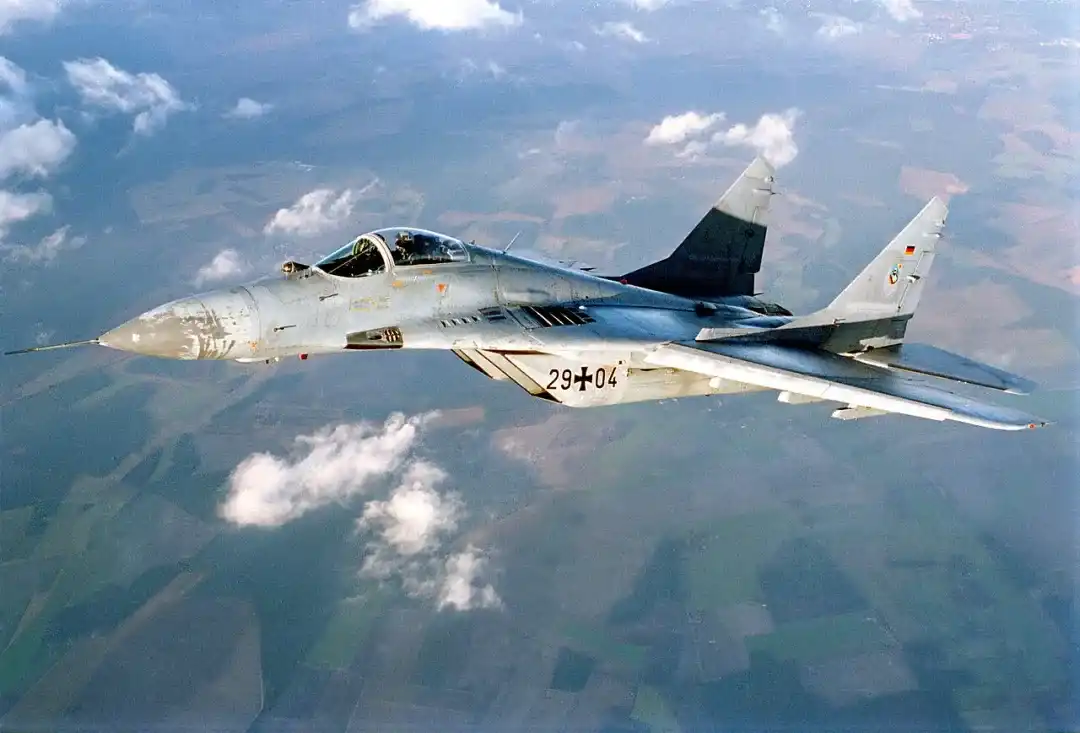
The MiG-29 Fulcrum, once a symbol of Soviet air superiority, has gradually been retired from frontline service in many air forces worldwide. Despite its formidable reputation, the aircraft suffered from technological obsolescence, operational limitations, and shifting military priorities. This article provides an in-depth analysis of why the MiG-29 was retired and replaced by more advanced fighter platforms.
1. Outdated Avionics and Radar Systems
The MiG-29 was introduced in the 1980s as a counter to Western fighter jets such as the F-15 Eagle and F-16 Fighting Falcon. However, its avionics and radar systems quickly fell behind the rapidly evolving technological advancements of its rivals.
- The N019 radar, equipped on early MiG-29 models, had limited detection range and struggled in electronic warfare environments.
- Unlike Western fighters that increasingly relied on networked warfare and situational awareness, early MiG-29s were heavily dependent on ground-based radar guidance, reducing their effectiveness in beyond-visual-range (BVR) combat.
- While later variants like the MiG-29MU1 (Ukrainian upgrade) featured improvements such as the N019U2 radar, these upgrades failed to match the capabilities of AESA (Active Electronically Scanned Array) radars found in modern aircraft such as the F-35 Lightning II or Eurofighter Typhoon.
During real-world combat, these deficiencies became apparent. For instance, Iraqi MiG-29s in the Gulf War were systematically defeated by U.S. Air Force F-15s, which leveraged superior avionics, radar range, and electronic warfare capabilities to gain air superiority.
2. Structural and Design Limitations
The MiG-29 was designed for short-range, high-maneuverability dogfights, excelling in close-quarters combat. However, its design also imposed several significant limitations:
- Limited operational range: With an internal fuel capacity of approximately 2,100 km, the MiG-29 was heavily reliant on external fuel tanks or aerial refueling for extended missions.
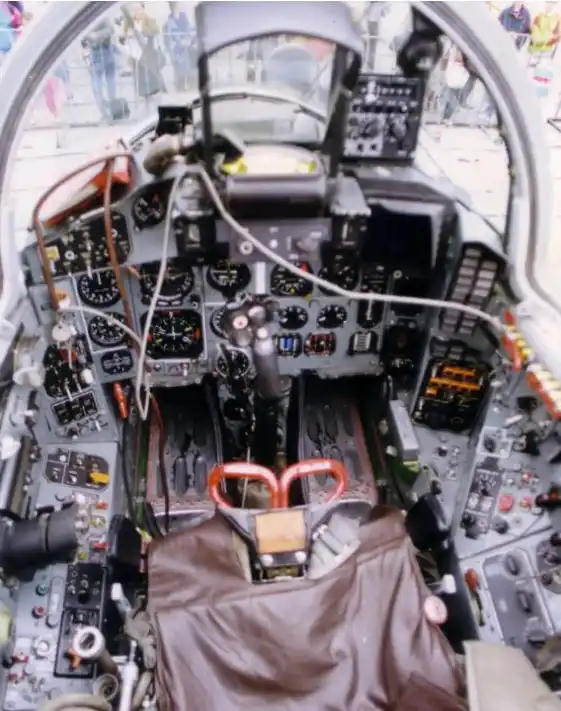
- Poor cockpit ergonomics: Unlike Western fighters such as the F-16, which featured superior visibility and pilot-friendly interfaces, the MiG-29’s cockpit layout was less intuitive, increasing pilot workload in combat.
- Lack of true multirole capability: While later variants introduced limited ground-attack capabilities, the MiG-29 remained primarily an air superiority fighter, reducing its flexibility in modern air combat scenarios.
These design constraints made the aircraft less suitable for modern warfare, which increasingly demands long-range precision strike capabilities and multirole adaptability.
3. Geopolitical and Maintenance Challenges
Following the dissolution of the Soviet Union, many operators of the MiG-29 faced severe logistical and maintenance challenges:
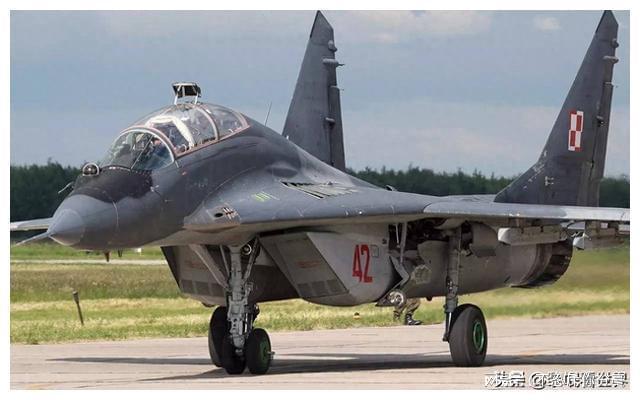
- Supply chain disruptions: Countries like Poland, Ukraine, and East Germany struggled to acquire spare parts after the collapse of the Soviet Union. Many were forced to smuggle components or rely on unreliable third-party suppliers, significantly increasing maintenance costs.
- NATO integration pressures: Former Eastern Bloc nations that joined NATO (e.g., Poland, Czech Republic, Slovakia) faced political pressure to phase out Soviet-era aircraft and transition to NATO-standard platforms like the F-16 Fighting Falcon or FA-50 Fighting Eagle.
- Sanctions on Russia: More recently, sanctions imposed on Russia further complicated the procurement of spare parts and upgrades, making it economically unfeasible for many countries to continue operating the MiG-29.
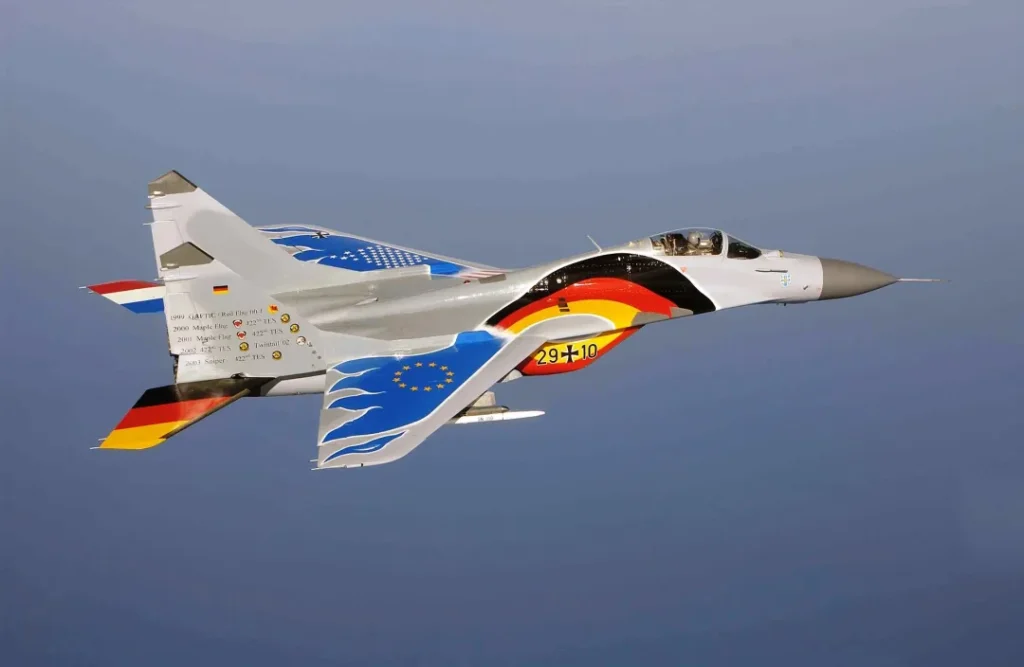
For example, after Germany’s reunification, the Luftwaffe inherited 24 MiG-29s from East Germany but retired them due to incompatibility with NATO systems, despite the aircraft’s superior dogfighting performance against Western jets like the F-16 and F/A-18 Hornet.
4. Poor Combat Performance in Modern Conflicts
Despite its agility and dogfighting prowess, the MiG-29 failed to achieve significant combat success in modern warfare:
- During the Gulf War (1991), Iraqi MiG-29s were heavily outclassed by U.S. Air Force F-15s, suffering multiple losses without scoring significant kills.
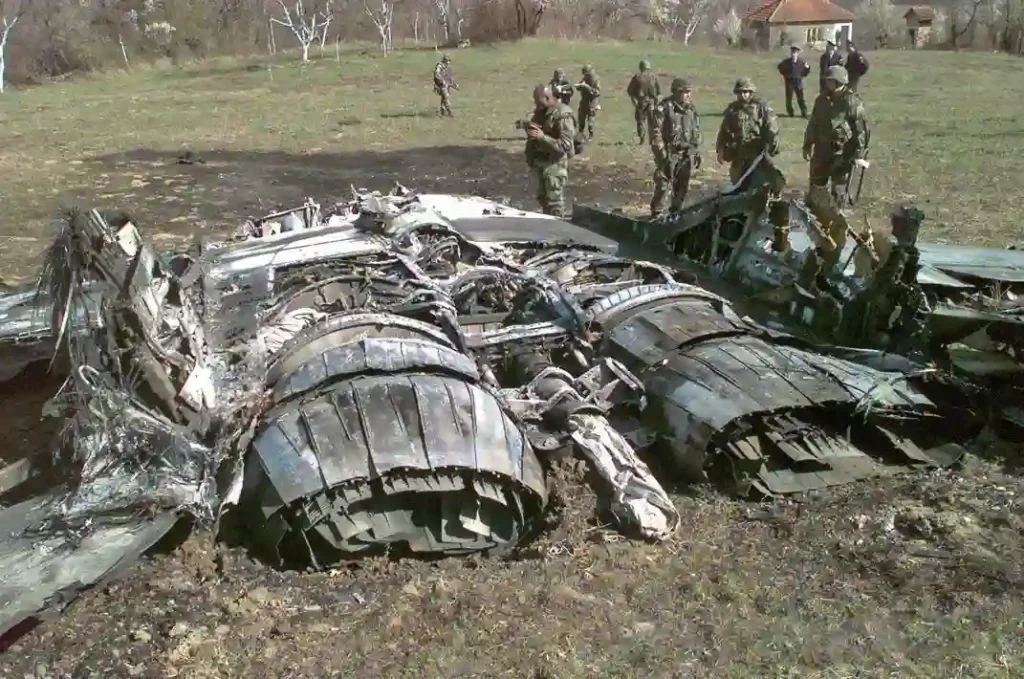
- In the Kosovo War (1999), Serbian MiG-29s faced NATO’s overwhelming air superiority, leading to high attrition rates against modern Western fighters.
- MiG-29K failures in naval operations: The Indian Navy’s MiG-29K fleet experienced chronic structural issues and engine failures, resulting in frequent accidents and eventual retirement from frontline carrier-based roles.
Modern aerial combat increasingly prioritizes beyond-visual-range (BVR) engagements, stealth capabilities, and networked warfare, areas where the MiG-29 was at a severe disadvantage.
5. High Maintenance Costs and Upgrade Challenges
The MiG-29 was a high-maintenance aircraft due to its twin-engine configuration and aging components:
- The RD-33 engines required frequent overhauls, leading to high operational costs.
- Many nations, including Ukraine and Poland, faced budget constraints when attempting to modernize their MiG-29 fleets.
- Upgrades like the MiG-29MU1, which cost approximately $5 million per aircraft, failed to bring the MiG-29 up to the level of fourth- and fifth-generation fighters like the Su-35, Rafale, or F-35.
As air forces sought cost-effective and modern solutions, maintaining and upgrading the MiG-29 became increasingly unjustifiable.
6. Transition to Advanced Fighter Platforms
By the 2000s and 2010s, many nations phased out the MiG-29 in favor of more advanced and versatile aircraft:
- Russia shifted focus to the Su-30, Su-35, and Su-57, replacing older MiG-29 variants.
- Poland and Slovakia replaced their MiG-29s with F-16s to align with NATO’s interoperability standards.
- India, after experiencing numerous MiG-29K failures, prioritized the Rafale and indigenous Tejas fighter programs.
- Ukraine, despite upgrading some MiG-29s, relegated them to secondary roles such as drone interception and deploying anti-radiation missiles.
Conclusion: The End of an Era
The MiG-29’s retirement was driven by technological obsolescence, maintenance difficulties, and the shift towards networked, stealth-capable fighter platforms. While the aircraft was a formidable dogfighter, it could not adapt to the demands of 21st-century warfare, where stealth, sensor fusion, and long-range combat dominate. As a result, many air forces have replaced their MiG-29 fleets with modern multirole fighters, signaling the end of an era for this iconic Soviet jet.