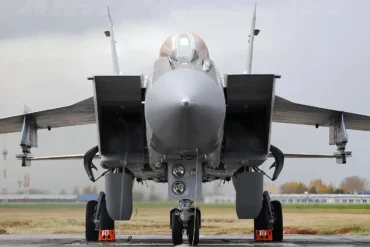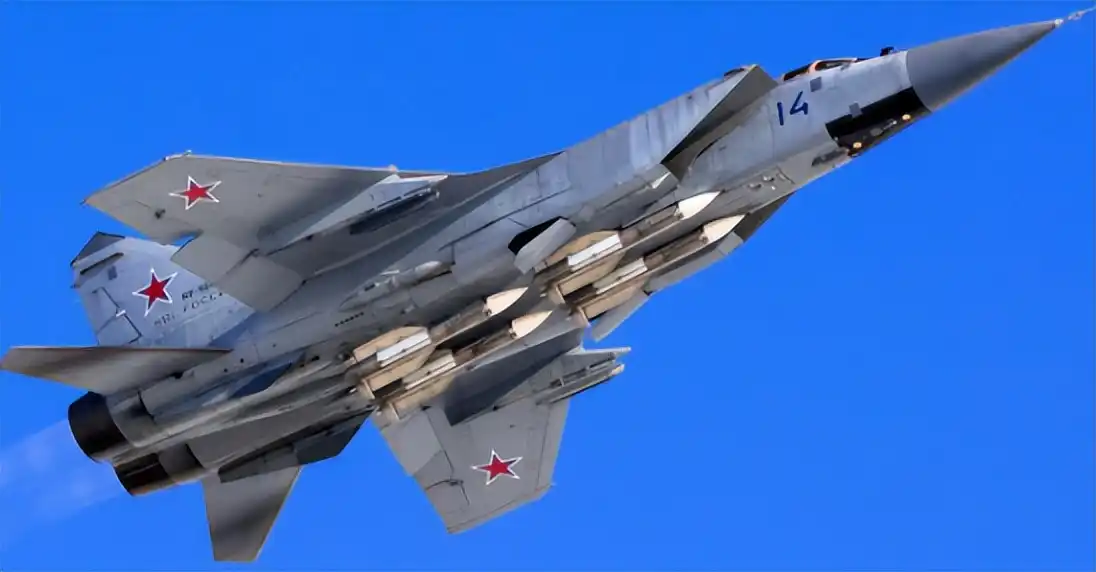
The MiG-31, a high-speed interceptor, has long been a key element of Russia’s air defense strategy. However, after its production began in 1979, the manufacturing of this iconic aircraft was officially halted after the collapse of the Soviet Union in the early 1990s. The cessation of MiG-31 production, while seemingly driven by economic and technical considerations, is a result of complex and interwoven factors that reflect the shifting priorities and realities in both Russian defense policy and aerospace technology. This article explores the multifaceted reasons behind Russia’s decision to stop producing the MiG-31, examining the historical, economic, and technological influences that have shaped this outcome.
The Soviet Union’s Collapse and Its Impact on MiG-31 Production
The MiG-31 was initially conceived as an advanced high-speed interceptor capable of engaging long-range targets in the harsh Cold War environment. First introduced in 1979, this aircraft was designed to counter the strategic bomber threat posed by the United States. However, with the dissolution of the Soviet Union in 1991, Russia faced a massive restructuring of its defense industry, which significantly impacted the continuity of MiG-31 production.
Economic and Technical Disruptions Post-Soviet Union
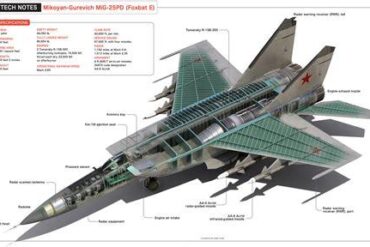
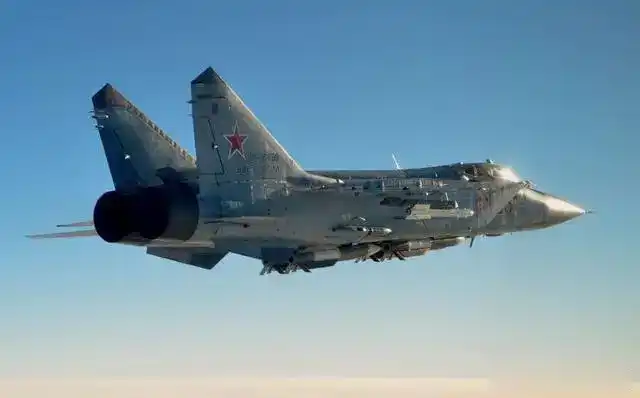
When the Soviet Union collapsed, it left behind a defense industry that was deeply fragmented, underfunded, and technologically unstable. The disintegration of the centralized economic and industrial structures meant that Russia’s aviation sector struggled to maintain its previously high levels of production. The MiG-31 was a sophisticated machine, dependent on high-tech components like the D-30F6 engine and advanced radar systems, but the financial collapse and loss of skilled labor significantly curtailed the capacity for producing these complex parts.
Although about 500 MiG-31 aircraft were produced during the Soviet era, Russia’s defense budget in the 1990s was insufficient to support the ongoing production of such advanced and expensive platforms. This period of economic downturn led to a severe reduction in defense spending, exacerbating the situation further. As a result, the production lines for the MiG-31 were abandoned, and the aircraft became relegated to servicing and maintenance of existing units.
Technological Evolution and the Shift in Strategic Focus
As the Cold War ended, the nature of air combat and defense priorities evolved. The MiG-31, with its origins firmly rooted in the Cold War, found itself increasingly mismatched with the requirements of modern warfare.
Technological Limitations of the MiG-31
The MiG-31, while an impressive interceptor by 1980s standards, lacked many of the features that would define the next generation of combat aircraft. Notably, it was designed without stealth capabilities, which were becoming essential as new radar detection systems advanced. Additionally, the MiG-31’s avionics, reliant on analog systems, were increasingly outdated in comparison to the digital and integrated systems seen in modern fifth-generation fighters.
One of the major disadvantages of the MiG-31 was its inability to compete with advanced stealth aircraft such as the U.S. F-22 and F-35. These aircraft incorporated cutting-edge technology, including stealth features, advanced sensor fusion, and superior air-to-air combat capabilities. The MiG-31, with its lack of stealth, struggled to keep up with the evolving needs of modern aerial warfare, making it a less viable option for the future of Russia’s air defense needs.
Strategic Shift to New Aircraft Designs
In response to these technological challenges, Russia redirected its resources toward the development of more versatile and technologically advanced aircraft, such as the Su-57 and the Su-35. The Su-57, a fifth-generation stealth fighter, offers capabilities that the MiG-31 cannot match, including radar-evading technology, superior avionics, and multi-role operational flexibility. By shifting its focus to these more advanced aircraft, Russia aimed to modernize its fleet in line with current and future combat requirements, ensuring a stronger, more adaptive air force.
Cost-Effectiveness and Strategic Choices: Upgrades Over Production
In addition to technological and strategic shifts, the cost-effectiveness of maintaining the MiG-31 also played a pivotal role in halting its production. Rather than restarting production, Russia opted to extend the service life of its existing MiG-31 fleet through a series of upgrades. This decision was driven by both economic considerations and the desire to preserve a strategic capability while conserving resources.
MiG-31BM Upgrades: Extending Life at Lower Cost
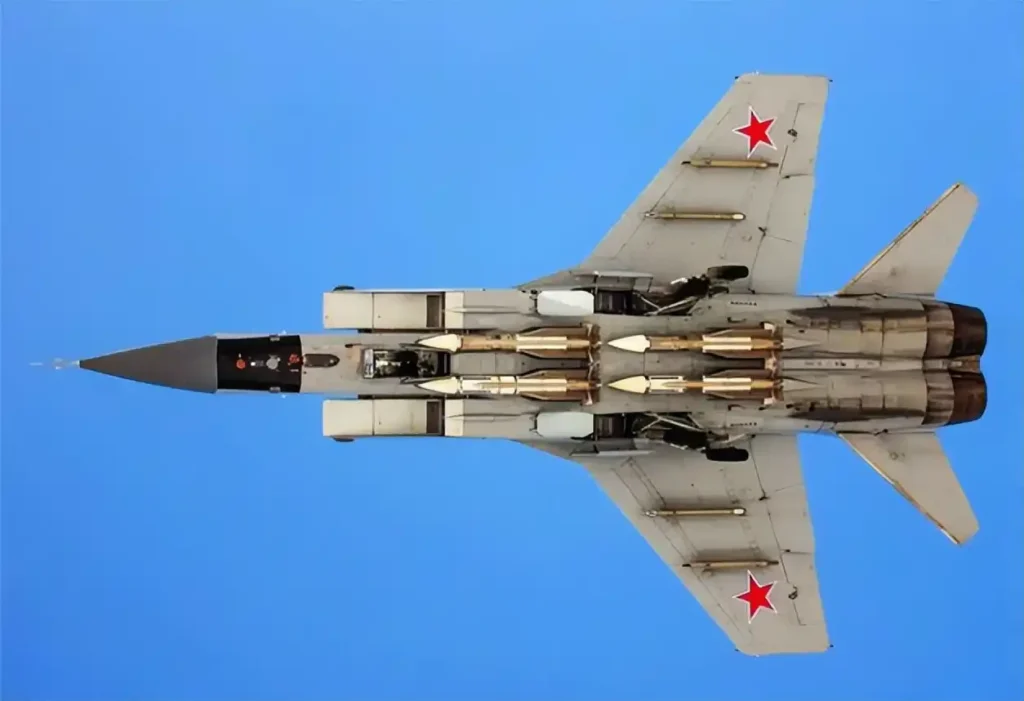
In the 2000s, Russia began upgrading its MiG-31 fleet to the MiG-31BM standard, which involved integrating more advanced systems, such as the Zaslon-AM phased array radar and the R-37M long-range air-to-air missile. These upgrades extended the service life of the MiG-31, allowing it to remain a valuable asset in Russia’s air defense strategy without the significant expense of producing new aircraft.
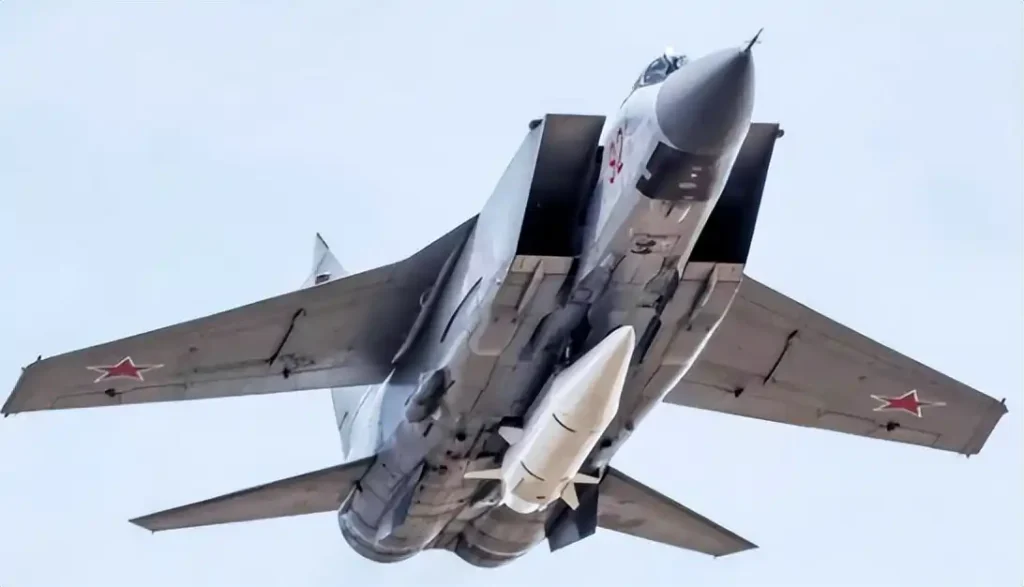
The MiG-31BM’s upgrades allowed it to meet the evolving challenges of modern aerial defense, including the capability to carry and launch Russia’s newest hypersonic missiles, such as the Kh-47M2 Kinzhal. This missile, capable of reaching speeds of Mach 10, requires an aircraft like the MiG-31 to serve as a launch platform. By modernizing its fleet, Russia ensured that the MiG-31 could continue to play a vital role in its defense strategy for years to come.
The Economic Reality of MiG-31 Production
While upgrading the MiG-31BM was a viable solution, it was also far more cost-effective than restarting full-scale production. The expense of developing a new production line, sourcing components, and training personnel would be staggering, especially given the MiG-31’s reliance on obsolete parts. For example, the D-30F6 engine, a crucial component of the MiG-31, ceased production in the 1990s, and while efforts have been made to restart its manufacturing for maintenance purposes, there are no significant moves to restart full-scale production of the engine for new aircraft.
The MiG-31’s continued service is thus dependent on maintaining existing parts and upgrading systems, rather than embarking on the costly and resource-intensive process of manufacturing new aircraft. This approach is much more in line with Russia’s defense budget priorities, especially when resources are increasingly funneled into the development of next-generation systems like the Su-57.
Declining Domestic and International Demand
Another key factor in the cessation of MiG-31 production was the reduced demand for the aircraft, both domestically and internationally. While the MiG-31 was an important part of Russia’s air defense capabilities, its specialized role and high operating costs limited its attractiveness on the global market.
Domestic Demand: Sufficient for Current Needs
At present, the Russian Aerospace Forces (VKS) operates approximately 120 MiG-31 aircraft, a number that is sufficient for their current operational requirements. The MiG-31’s primary tasks include long-range intercept missions and the deployment of hypersonic weapons like the Kinzhal missile. Given the capabilities of the existing fleet, there is little need for additional aircraft, reducing the urgency for restarting MiG-31 production.
International Export Challenges
The MiG-31 also faces significant challenges in terms of export potential. While a few countries, including Syria, have expressed interest in acquiring the aircraft, the MiG-31’s high operating and maintenance costs—estimated to be three times higher than those of lighter, multi-role fighters—have limited its export appeal. Furthermore, its specialized nature, being primarily a long-range interceptor, makes it unsuitable for many air forces that require versatile, multi-role aircraft.
The Decline of Russia’s Industrial Capacity
Beyond technological and financial factors, Russia’s aerospace industry has undergone significant changes since the Soviet era, with many production facilities and technological capabilities eroded or dispersed. The disintegration of the Soviet-era military-industrial complex left behind a fragmented defense sector that struggled to maintain the capacity to produce advanced aircraft.
Loss of Collaborative Networks
During the Soviet period, Russia’s defense industry relied on an extensive network of collaboration between different design bureaus, factories, and research institutions. However, following the collapse of the Soviet Union, these collaborative networks were largely dismantled, and many of the key partners in MiG-31 production ceased to exist in their previous form. The MiG-31’s production line relied on the cooperation of various Russian and former Soviet states’ defense enterprises, and this once tightly-knit network has proven difficult to reassemble.
Prioritization of New Aircraft
With limited resources available, Russia has prioritized the production and development of newer, more capable aircraft such as the Su-57. These aircraft align more closely with modern warfare requirements and are central to Russia’s evolving defense strategy. As a result, the MiG-31, despite its historical significance, has been sidelined in favor of more modern designs that promise greater long-term utility.
Conclusion: A Reflection of Changing Priorities
The cessation of MiG-31 production is not a singular event, but rather a culmination of various factors—economic, technological, and strategic—that have shaped Russia’s defense priorities in the post-Soviet era. While the MiG-31 remains a formidable interceptor with an important role in Russia’s air defense strategy, its lack of stealth capabilities, reliance on outdated technology, and high operating costs have rendered it obsolete in the face of modern demands. The decision to cease production and focus on upgrades and newer aircraft reflects Russia’s broader shift from quantity to quality in its air force, as it moves toward more advanced, versatile platforms for the future.