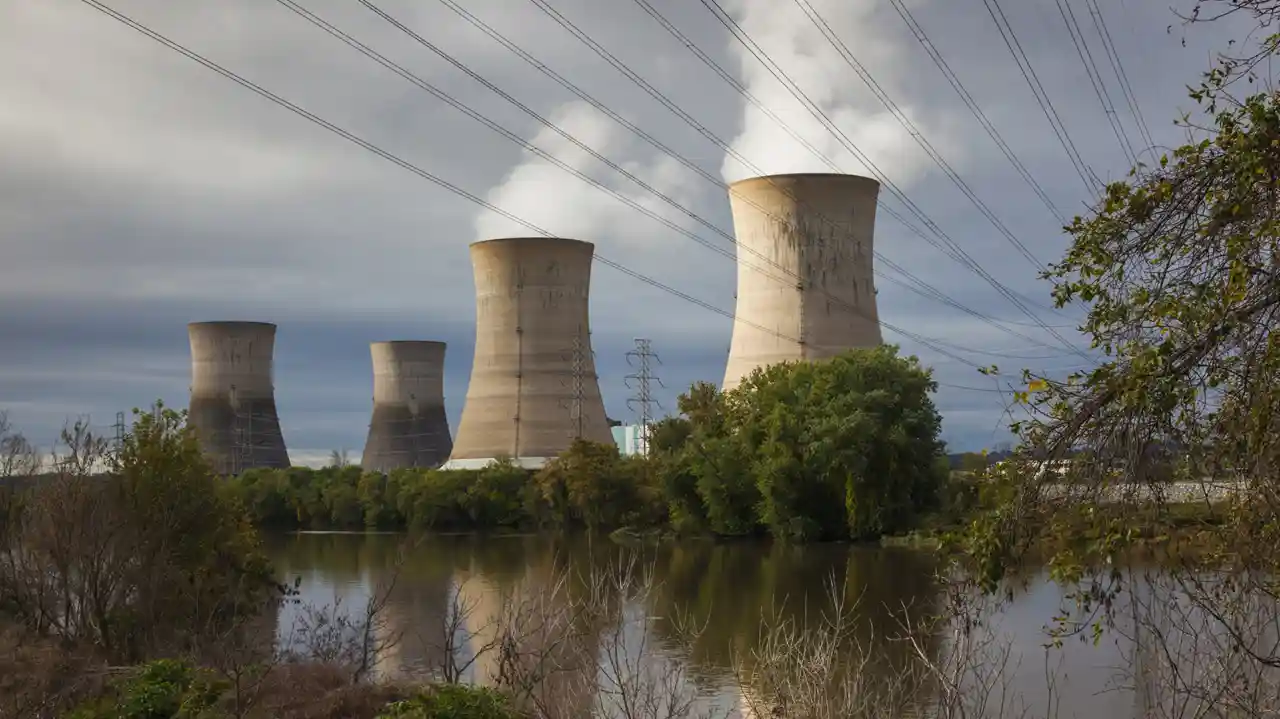
Nuclear meltdowns represent one of the most terrifying technological failures imaginable. The phrase evokes haunting images of mushroom clouds, devastated cities, and invisible waves of lethal radiation. Yet the scientific reality of a meltdown is less about cinematic explosions and more about systemic failure—specifically, the catastrophic breakdown of reactor cooling systems. The question remains: can a nuclear meltdown be stopped? Thanks to a new era of nuclear engineering, the answer is shifting toward a bold and hopeful “yes”.
The Anatomy of a Nuclear Meltdown
At the heart of every nuclear power plant lies a reactor core, densely packed with uranium fuel rods. These rods sustain a controlled fission reaction, where uranium atoms split apart and release massive amounts of energy in the form of heat. To regulate this fission reaction, two major safety systems are employed: control rods and coolant systems. Control rods, typically composed of cadmium or boron, absorb neutrons and can halt the chain reaction when inserted. However, even when fission stops, the core continues to emit radiogenic heat, necessitating continual cooling.
When the coolant system—usually involving high volumes of circulating water—fails, residual heat builds rapidly. Without coolant, water boils off, the pressure escalates, and the fuel rods overheat. At extreme temperatures, the zirconium cladding around the rods reacts with steam to produce hydrogen gas, a highly flammable compound. This gas buildup has been responsible for the explosions witnessed at both Chernobyl and Fukushima, transforming equipment malfunctions into full-blown disasters.
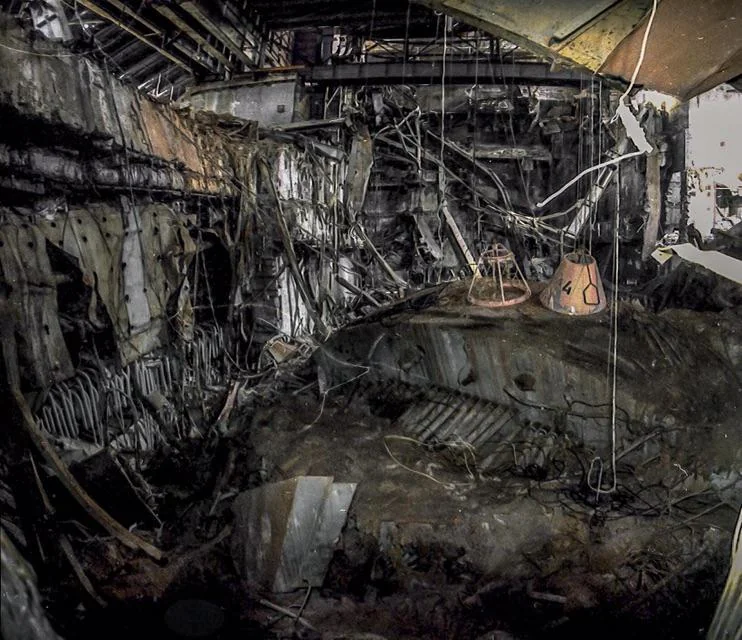
Once the fuel reaches 3,600°F (1,982°C), it can liquefy, forming a molten mass called corium. This radioactive lava has the capacity to burn through steel-reinforced concrete, seeping into the earth and contaminating groundwater and ecosystems. As a result, nuclear meltdowns aren’t just engineering crises—they’re long-term environmental catastrophes.
Historical Lessons: Chernobyl and Fukushima
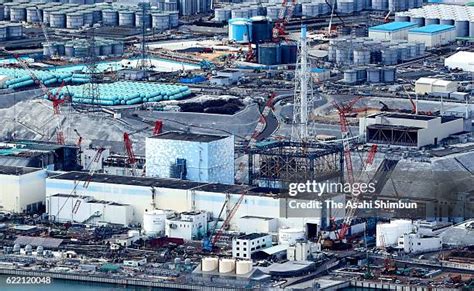
The meltdowns at Chernobyl in 1986 and Fukushima Daiichi in 2011 exposed the vulnerabilities of early nuclear reactor designs. Both facilities relied heavily on active cooling systems dependent on power to circulate water. In Chernobyl’s case, a botched safety test disabled critical systems, while Fukushima’s pumps were knocked out by a tsunami.
These two events are the only nuclear disasters to be classified as Level 7 incidents on the International Nuclear and Radiological Event Scale (INES). The widespread environmental and human impacts of these accidents—ranging from immediate fatalities to long-term radiation sickness and genetic mutations—fundamentally altered public trust in nuclear energy.
Yet, ironically, these disasters became catalysts for innovation. The nuclear community has since accelerated research into reactor designs that are not only safer, but self-correcting in the event of failure.
A New Era: Generation IV Reactor Designs
Enter Generation IV reactors, the next evolution in nuclear safety. Unlike their predecessors, which relied on water as a coolant, Gen IV designs experiment with alternative substances that are far less volatile under extreme conditions. Coolants such as liquid sodium, molten salts, and helium gas do not evaporate easily and remain stable at much higher temperatures.
This shift is revolutionary. In the event of a pump failure or power outage, these materials can continue absorbing heat without the risks associated with water-based systems. In essence, Gen IV reactors are being engineered to passively prevent meltdowns, without requiring operator intervention or external electricity sources.
Moreover, many of these reactors are designed with inherent safety features like gravity-fed cooling or thermal expansion mechanisms that slow the reaction as temperatures rise. In case of malfunction, they naturally wind down rather than spiral out of control.
While these designs are still undergoing testing, the U.S. government has committed to deploying next-generation reactors as early as 2026. Pilot plants are in development across North America and Europe, with billions in funding earmarked for R&D and commercialization.
The Obstacles Ahead
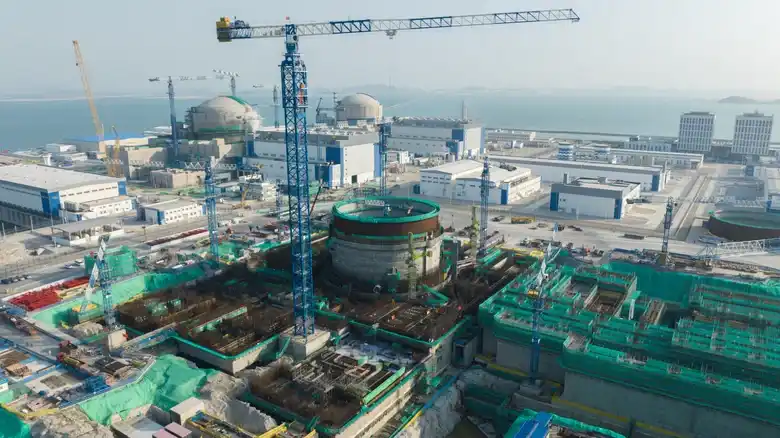
Despite the promise of Gen IV technology, several challenges remain. Many existing nuclear plants—particularly those built before the 1980s—still depend on traditional water-based cooling systems. Retrofitting these facilities with new technologies is often cost-prohibitive and politically fraught. As a result, we may continue to live with legacy reactors that bear the same risks as their predecessors.
Public perception also plays a pivotal role. Fear of radiation and the shadow of historical meltdowns make nuclear energy a hard sell in many regions, especially when clean energy alternatives like solar and wind enjoy wider acceptance. To overcome this, nuclear advocates must demonstrate the safety, scalability, and environmental benefits of Gen IV designs convincingly and transparently.
Toward a Meltdown-Free Future
So, can a nuclear meltdown be stopped? With existing reactors, complete prevention is a challenge—though modern safety protocols have dramatically reduced risk. However, the future holds immense potential. Gen IV reactors are not merely an upgrade; they represent a paradigm shift in nuclear safety. By eliminating the vulnerabilities that led to past disasters, these systems may eventually render the term “meltdown” a historical footnote.
The broader implications are profound. If nuclear energy can overcome its safety stigma, it has the capacity to become a dominant source of carbon-free baseload power—a critical component in the fight against climate change. But for this vision to be realized, innovation must be matched by investment, transparency, and the political will to embrace a safer nuclear era.
The future of nuclear energy hinges not just on what we build, but on what we choose to leave behind. Meltdowns may never be entirely erased from our collective memory, but with the right technology, we may finally ensure they are never repeated.