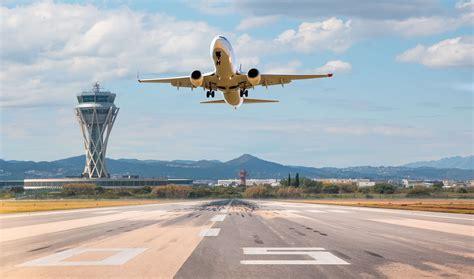
Traveling within China by air offers a fast, relatively affordable, and increasingly efficient way to traverse the vast and diverse regions of the country. For international travelers planning intra-China journeys, the question inevitably arises: “Which airline should I choose for domestic flights in China?” With three major players — China Eastern Airlines, China Southern Airlines, and Air China — dominating the skies, each with its own strengths and quirks, the choice is far from trivial.
Understanding the nuances of these carriers is essential for a smooth and informed travel experience, especially in a country with one of the most complex and tightly regulated airspaces in the world.
An Overview of the Big Three Chinese Airlines
All three major airlines — Air China, China Eastern, and China Southern — are state-owned entities under the oversight of the Civil Aviation Administration of China (CAAC). They operate under broadly similar guidelines and standards in terms of safety, customer service, and fleet operations.
- Air China is the flag carrier and often seen as the most prestigious, with slightly higher pricing and a focus on business-class services.
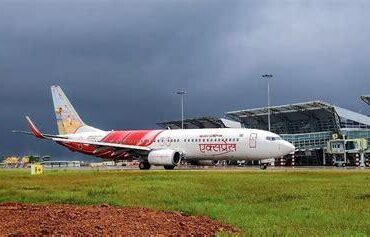
- China Eastern, based in Shanghai, is one of the most prominent airlines in Eastern China and is known for extensive domestic coverage and SkyTeam alliance benefits.
- China Southern, headquartered in Guangzhou, is Asia’s largest airline by fleet size and passenger volume, offering excellent southern and central China connectivity.
Despite government ownership and similar regulatory environments, operational nuances and customer experience may differ significantly, especially for travelers with specific preferences regarding loyalty programs, in-flight service, punctuality, or regional hub access.
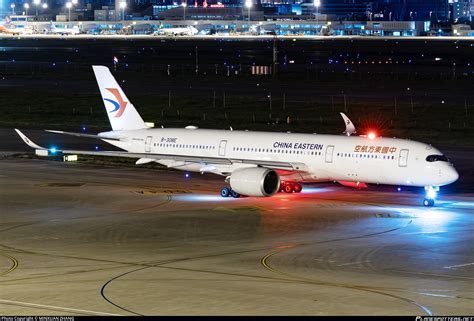
Air China: Prestige, Price, and Punctuality
Air China (中国国际航空) is widely perceived as the premium option among the three, often commanding fares up to 25% higher than its counterparts. As the flag carrier, Air China’s brand is linked closely with international prestige and government use. Travelers flying with Air China can expect:
- Extensive international connections, especially through Beijing Capital Airport.
- Slightly more refined business class services, with newer aircraft often reserved for premium routes.
- Star Alliance membership, which benefits frequent flyers connected to United, Lufthansa, ANA, and others.
However, higher pricing does not always translate to superior service, especially on short-haul domestic routes. Cabin cleanliness, meal quality, and boarding efficiency often vary and are not consistently better than China Eastern or China Southern. Still, Air China might appeal to those with existing Star Alliance status or those looking to collect premium loyalty points.
China Eastern Airlines: Shanghai’s Gatekeeper and SkyTeam Loyalty Benefits
China Eastern Airlines (中国东方航空) is headquartered in Shanghai, making it a strong choice for those planning to transit through or spend time in Eastern China. It is often favored by travelers for several practical reasons:
- Better airport lounge access and service infrastructure in Shanghai Hongqiao and Pudong airports.
- Competitive ticket pricing, often lower than Air China.
- SkyTeam Alliance membership, compatible with Delta, Air France, and Korean Air.
Frequent travelers with SkyTeam memberships will likely benefit more from flying China Eastern. In terms of service quality, most flyers find the in-flight experience consistent — neither exceptional nor poor. For short-haul flights of 1 to 3 hours, price becomes the more dominant factor, and China Eastern regularly wins in this category without sacrificing safety or core service quality.
China Southern Airlines: Dominance in the South and Fleet Versatility
China Southern Airlines (中国南方航空) commands a formidable presence in Southern China, with its main hub at Guangzhou Baiyun International Airport. It is also the only Chinese airline to operate Airbus A380s, although these are reserved for international long-haul routes.
For domestic flights, China Southern is often praised for:
- Extensive route coverage in South and Central China.
- A strong safety and maintenance record.
- Reasonable pricing and better seat availability during peak periods.
Though not a member of a major global alliance as of late (after exiting SkyTeam in 2019), China Southern maintains code-share agreements with American Airlines and others. Flyers connected with AAdvantage may still accrue and redeem miles.
Onboard experience is similar to China Eastern — efficient, generally well-maintained cabins, and a focus on safety. Cabin crew service, however, can vary across flights depending on crew assignment and regional management.
Key Considerations When Choosing a Chinese Domestic Airline
1. Flight Pricing and Booking Timing
Domestic airfares in China fluctuate dramatically. Most users on travel forums recommend booking flights about 4 weeks in advance, especially on platforms like Trip.com or using Google Flights. Closer to the departure date, especially during national holidays like Golden Week (May 1–5) or Chinese New Year, ticket prices spike and availability drops.
- For non-holiday travel, prices tend to decrease 3–4 weeks before departure.
- For holiday periods, book early. Prices won’t drop.
China Eastern and China Southern typically offer more flexible pricing structures, while Air China maintains more rigid pricing — partly due to government and business-class travel demand.
2. Alliance Memberships and Frequent Flyer Programs
Loyalty programs can provide significant value if you are a frequent traveler or part of an alliance:
- Air China → Star Alliance (ideal for United, Lufthansa, and Air Canada frequent flyers).
- China Eastern → SkyTeam (benefits Delta, KLM, Air France, Korean Air members).
- China Southern → No alliance, but partnerships with American Airlines.
For travelers without any alliance affiliations, choosing the cheapest option with a good schedule is usually the best route.
3. Flight Experience: Boarding, Delays, and Onboard Chaos
Regardless of the airline, domestic flying in China carries a few universal truths:
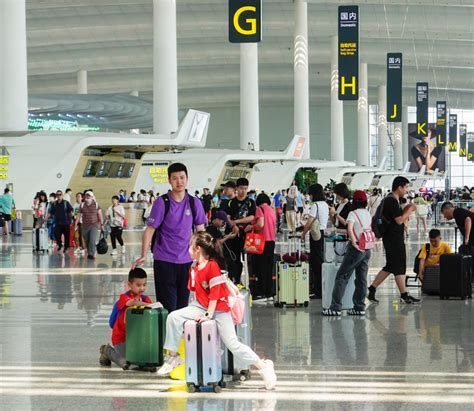
- Boarding and disembarkation can be chaotic. Expect queues and crowds.
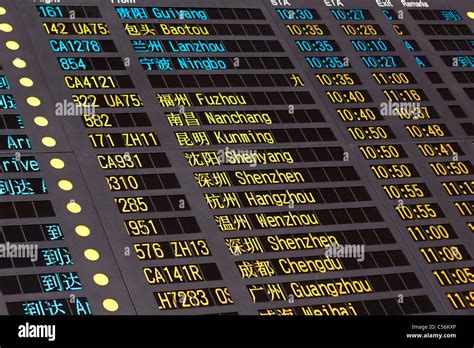
- Flight delays are frequent. Over 80% of Chinese airspace is military-controlled, and sudden airspace closures or diversions are common.
- Safety is prioritized heavily, sometimes at the expense of efficiency. Delays may be cited as “due to unknown reasons,” but often stem from airspace restrictions or weather routing.
- Cabin noise and onboard etiquette may differ from Western norms. Flyers seeking tranquility should consider earplugs and noise-canceling headphones.
4. Route Convenience and Hub Access
Choosing the right airline often comes down to which city you’re flying into or out of. Each airline has a dominant region:
- Air China: Beijing (Capital and Daxing)
- China Eastern: Shanghai (Hongqiao, Pudong)
- China Southern: Guangzhou, Shenzhen
For travelers with multi-city itineraries, mixing airlines based on route convenience is practical and often cost-effective. There is no penalty or restriction for flying with different domestic airlines within the same trip.
Customer Ratings and Perceptions
Online review platforms (e.g., Skytrax, TripAdvisor, and Reddit) provide a mixed bag of user experiences. While professional ratings might list one airline slightly higher than another, most individual reviews converge around average satisfaction, particularly on short domestic flights.
One Reddit user insightfully pointed out: >“I’d pay a bit extra to not be on a plane with folks who go for the cheapest ticket above everything else.”
This sentiment suggests that passenger composition, rather than airline, can influence overall flight experience. Air China’s higher prices may filter for a quieter crowd, while China Eastern and Southern may offer better deals with slightly more hectic boarding processes.
Final Recommendations: Which Airline Should You Choose?
If your primary concern is pricing, and you’re flying under 3 hours, choose whichever airline offers the best fare. All three maintain high safety standards, government oversight, and decent onboard service for short-haul travel.
If you prioritize loyalty programs:
- Go with Air China if you’re a Star Alliance member.
- Pick China Eastern if you fly SkyTeam carriers.
- Use China Southern if you hold miles with American Airlines.
For travelers transiting through specific regions:
- Fly China Eastern for Eastern China and Shanghai access.
- Choose China Southern if your route involves the Pearl River Delta.
- Select Air China for Northern China or if starting from Beijing.
And always remember: while minor service and operational differences exist, your preparation and flexibility matter more than the airline logo on your boarding pass. As with all things travel-related in China, expect the unexpected, stay adaptable, and plan ahead to ensure the smoothest journey possible.