
Airports have traditionally been designed around efficiency. Their purpose was simple: process passengers, move aircraft, and connect people from one destination to another. Yet the modern airport has evolved far beyond that narrow role. Some of the world’s most recognizable aviation gateways have become attractions in their own right, drawing architecture enthusiasts, aviation fans, families, and even local residents who have no intention of boarding a flight. In many cases, the airport experience itself has become part of the journey.
As competition between global hubs intensified, airports began investing heavily in experiences that transformed layovers into opportunities rather than inconveniences. Long connections became more enjoyable, retail revenue increased, and airports gained identities that extended beyond the airlines that called them home. Some embraced culture and art, others celebrated local traditions, while several became legendary because of geography or historic significance.
These airports prove that fascinating experiences are not always found after clearing customs. Sometimes, the adventure begins before takeoff.

Spectacular Airport Attractions Hidden Inside The Terminal
The best modern airports have discovered that passengers increasingly value memorable experiences alongside convenience. Instead of functioning purely as transportation centers, these hubs have created environments that feel closer to entertainment complexes and cultural destinations.
Singapore Changi Airport And The Rain Vortex Wonder
Singapore Changi Airport has redefined what an airport can be. The addition of Jewel Changi Airport transformed the complex into one of the most extraordinary destinations in aviation. At its heart sits the breathtaking Rain Vortex, a 130-foot indoor waterfall cascading through a massive glass dome surrounded by thousands of trees and tropical plants.
The surrounding Shiseido Forest Valley creates a lush sanctuary that feels remarkably disconnected from aviation. Walking trails, restaurants, luxury boutiques, playgrounds, and open spaces encourage visitors to spend hours exploring. For many travelers, a long layover at Changi feels like an opportunity rather than a burden. Even Singapore residents frequently visit Jewel without flying anywhere, illustrating how successfully the airport has evolved into a destination.
Doha Hamad International Airport Turns Transit Into Art
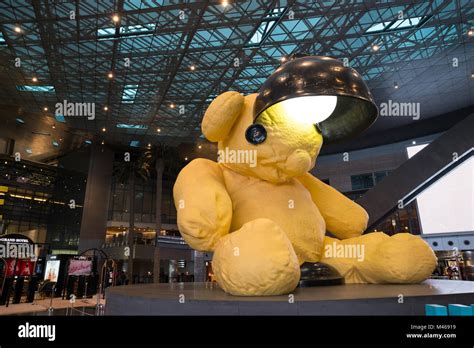
Doha Hamad International Airport chose culture over spectacle. Instead of relying on a single attraction, the airport transformed itself into an enormous gallery filled with world-class installations.
The most famous piece is Urs Fischer’s giant yellow Lamp Bear, which immediately became one of aviation’s most recognizable artworks. Yet throughout the terminal, sculptures and contemporary displays create an atmosphere that resembles a museum more than an airport. The careful integration of art reflects Qatar’s ambition to establish Doha as a premium global hub, giving travelers an environment that feels sophisticated and distinctive.
Munich Airport Brings Bavaria Into The Terminal
Few airports express their local culture as effectively as Munich Airport. Instead of relying on futuristic architecture, Munich celebrates Bavaria itself. Airbräu, the world’s first airport brewery, offers freshly brewed beer and traditional Bavarian cuisine, allowing visitors to experience local traditions before they even leave the airport grounds.
During winter, the Munich Airport Center transforms into a festive Christmas market complete with ice skating, food stalls, and seasonal decorations. Rather than creating a generic international atmosphere, Munich delivers a sense of place that immediately introduces travelers to Bavarian identity.
Aviation Museums Worth Leaving The Airport For
For aviation enthusiasts, some of the world’s greatest treasures lie only minutes from active runways. These museums preserve aircraft that shaped commercial aviation while telling the stories behind the machines.
Delta Flight Museum Near Atlanta’s Busy Hub
Adjacent to Hartsfield-Jackson Atlanta International Airport sits the Delta Flight Museum, housed inside historic maintenance hangars. The location itself creates an authentic atmosphere, connecting visitors directly with the airline’s operational history.
Its centerpiece is Ship 6301, the first Boeing 747-400 ever produced. Visitors can explore the legendary jumbo jet while also seeing The Spirit of Delta Boeing 767, vintage uniforms, engines, and artifacts documenting Delta’s transformation from a crop-dusting operation into one of the world’s largest airlines.
The museum bridges generations of aviation and demonstrates how dramatically commercial flight has evolved over the past century.
Aeroscopia In Toulouse Celebrates Airbus History
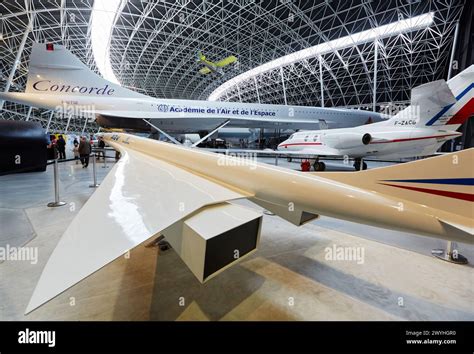
Toulouse occupies a special place in aviation. As one of Europe’s aerospace capitals, the city is inseparable from Airbus manufacturing. Near Toulouse-Blagnac Airport, Aeroscopia preserves this legacy through an extraordinary collection.
Visitors encounter Concorde, the Airbus A300B, the massive Super Guppy transporter, and numerous aircraft that illustrate the evolution of European aerospace engineering. The museum gains additional significance because many aircraft on display were conceived, built, and tested nearby.
Kyiv’s Antonov Museum Preserves Eastern Aviation Heritage
The Oleg Antonov State Aviation Museum near Kyiv offers one of the most remarkable collections of Soviet and Ukrainian aircraft anywhere. Massive Antonov transports, Tupolev airliners, Ilyushin aircraft, and helicopters illustrate decades of Eastern aerospace development.
Its importance extends beyond aircraft preservation. The museum safeguards a unique aviation heritage that often receives less international attention than Western aerospace history. Rare aircraft displayed there provide insight into an alternative chapter of aviation innovation shaped by Cold War competition.
Airports That Plane Spotters Dream About
Watching airplanes has become a passion shared by millions. Certain airports have embraced this enthusiasm by creating exceptional viewing opportunities.
Tokyo Haneda Offers Endless Action
Tokyo Haneda Airport ranks among the finest plane-spotting destinations in the world. Observation decks integrated into passenger terminals provide close views of one of Asia’s busiest airports.
The diversity of traffic is remarkable. Domestic Boeing 777s, regional jets, international widebodies, and long-haul aircraft constantly flow through the airport. Evening lighting combined with Haneda’s waterfront location creates stunning scenes that attract photographers from around the world.
Los Angeles International Airport And Aviation Culture
Few airports have become as closely associated with plane spotting as Los Angeles International Airport. Locations such as Imperial Hill, Clutter’s Park, and the famous In-N-Out Burger viewing area have become legendary among aviation enthusiasts.
Widebody aircraft from every continent arrive continuously. Transpacific flights dominate the skies while domestic traffic, cargo aircraft, and international carriers create extraordinary variety. Against the backdrop of Southern California sunshine, LAX has become one of aviation’s most photographed airports.

Zurich Airport Makes Plane Watching Family Friendly
Zurich Airport offers one of Europe’s most polished viewing experiences. Observation Deck B allows visitors to watch aircraft movements from close range while providing educational exhibits and family facilities.
The experience feels deliberate rather than accidental. Spotters enjoy excellent visibility while observing SWISS aircraft, European carriers, private jets, and long-haul arrivals. Zurich demonstrates how airports can embrace aviation enthusiasts rather than merely tolerate them.
Historic Airport Landmarks Still Alive Today
Commercial aviation’s glamorous past survives through remarkable structures that continue functioning within active airports.
The TWA Flight Center At JFK Captures Jet Age Elegance
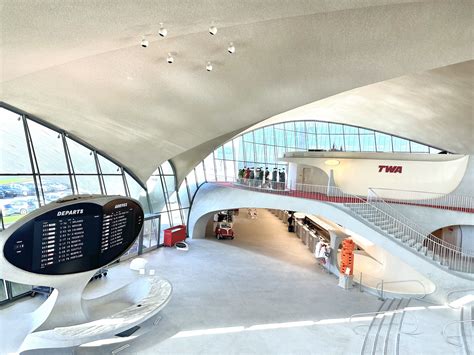
The TWA Flight Center at New York JFK remains one of the most celebrated airport buildings ever created. Designed by Eero Saarinen, its sweeping curves embodied the optimism and excitement of the Jet Age.
Although it no longer serves passengers, the building was reborn as the TWA Hotel. Visitors can experience the iconic lounges, retro interiors, and timeless architecture while staying within the airport itself. The preservation of the structure ensures that one of aviation’s greatest masterpieces remains alive rather than forgotten.
LaGuardia’s Marine Air Terminal Preserves The Flying Boat Era
Long before modern airliners crossed oceans, Pan American flying boats represented the pinnacle of luxury travel. The Marine Air Terminal at LaGuardia Airport was built to serve these legendary aircraft.
Completed in 1940, the Art Deco terminal survives as a rare reminder of a period when aviation mirrored ocean liner elegance. Historic murals and preserved architecture provide a tangible connection to a forgotten chapter of commercial flight.
Paris-Le Bourget Carries A Century Of Aviation Legacy
Paris-Le Bourget Airport opened in 1919 and entered history in 1927 when Charles Lindbergh landed there after completing his solo transatlantic flight. Decades before Charles de Gaulle Airport existed, Le Bourget served as Paris’ primary gateway.
Today, it remains active as a business aviation airport and hosts the prestigious Paris Air Show. Nearby museums and historical connections make Le Bourget one of the most significant aviation sites anywhere.
Airports Famous Because Of Geography
Sometimes the most memorable attraction lies outside the terminal.
Princess Juliana Airport And The Famous Maho Beach
Sint Maarten’s Princess Juliana International Airport created one of aviation’s most iconic images. Aircraft approaching Runway 10 pass dramatically low over Maho Beach, producing scenes recognized worldwide.
Tourists gather daily to watch jets skim overhead. Although the spectacle comes with safety warnings regarding jet blast, it has transformed the airport into one of the Caribbean’s most popular attractions.

Gibraltar Airport Exists Inside The City
Gibraltar International Airport occupies one of the most unusual settings in aviation. The runway intersects with Winston Churchill Avenue, placing aircraft operations directly within the urban landscape.
Rather than existing outside the city, the airport forms part of daily life. The surrounding Rock of Gibraltar creates a dramatic backdrop, making the location unlike almost any other commercial airport.
Paro Airport Delivers One Of The World’s Greatest Approaches
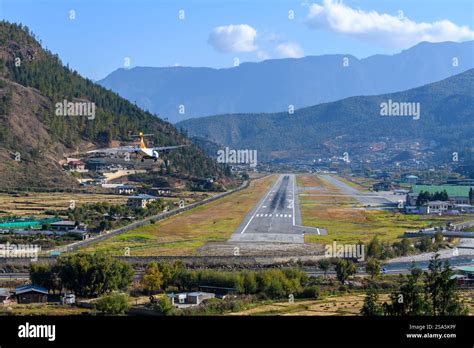
Paro Airport in Bhutan demonstrates how geography itself can become an attraction. Nestled inside a Himalayan valley, the airport requires aircraft to navigate mountainous terrain using visual approaches.
Passengers experience breathtaking views of forests, peaks, and villages during arrival. Few commercial airports offer such dramatic scenery. Landing at Paro feels less like transportation and more like an unforgettable adventure.
Airports Have Become Destinations Themselves
The world’s most memorable airports reveal how dramatically aviation has evolved. Some captivate visitors through architecture, others through history, culture, museums, or extraordinary geography. Together, they demonstrate that airports are no longer merely points on a map. They have become experiences worthy of exploration in their own right.
Whether standing beneath the Rain Vortex in Singapore, admiring the curves of the TWA Flight Center, watching widebodies descend over Los Angeles, or witnessing aircraft glide above Maho Beach, these places remind travelers that the magic of aviation often begins long before boarding and continues long after landing.