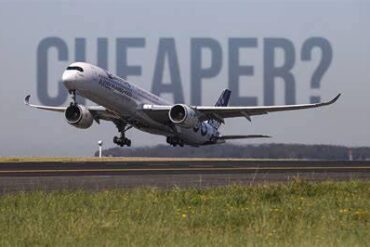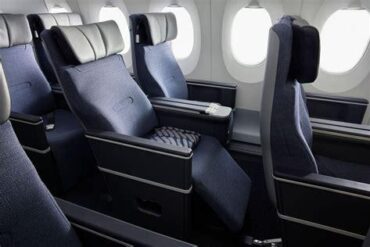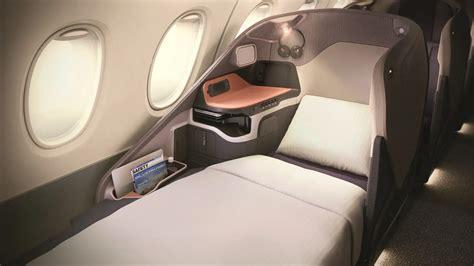
Flying business class no longer belongs exclusively to executives with corporate expense accounts or travelers willing to spend the price of a small car on a plane ticket. A growing number of airlines now compete aggressively for premium passengers, and that competition has quietly created one of the best opportunities in modern travel: genuinely affordable lie-flat business class seats.
For travelers who understand how airline pricing works, business class can sometimes cost only slightly more than premium economy on the same route. Flexible dates, one-stop itineraries, and “lite” fare structures have transformed the premium cabin market into something far more accessible than many passengers realize. The result is a new category of travel sweet spot — cabins that provide the comfort, sleep quality, and airport perks of international business class without the eye-watering price.
The difference between arriving exhausted and arriving functional often comes down to one thing: sleep. That is why these lower-cost premium products matter so much. A lie-flat seat on an overnight route can completely change the experience of long-haul travel, especially on transatlantic and transcontinental flights where rest directly affects the first days of a trip.
Rather than focusing purely on luxury branding, the smartest travelers increasingly focus on value-per-hour. Which airlines provide the best combination of comfort, route flexibility, modern cabins, and consistently reasonable pricing? These five carriers repeatedly emerge as some of the strongest bargains in global premium travel.
TAP Air Portugal Continues To Dominate Budget-Friendly Transatlantic Business Class
TAP Air Portugal has quietly become one of the most reliable airlines for travelers seeking affordable long-haul business class fares between North America and Europe. While major legacy carriers frequently push roundtrip business class tickets into the $5,000 range, TAP often sells similar routes for nearly half that amount.
The airline’s pricing advantage largely comes from geography and competition. Lisbon functions as an extremely efficient gateway into Southern Europe, allowing TAP to funnel passengers from American cities into dozens of European destinations through a single connection. Because the carrier competes directly against larger airline groups like Lufthansa, Air France-KLM, and British Airways, it routinely lowers fares to attract connecting passengers.
That pricing pressure benefits travelers enormously.
Passengers flying from East Coast gateways such as New York, Boston, Miami, or Washington frequently encounter business class fares between $2,400 and $3,000 roundtrip, especially during shoulder-season periods. Those prices become even more attractive considering what passengers actually receive onboard.
The business class product itself focuses more on practicality than over-the-top luxury. Travelers can expect fully lie-flat seats on long-haul aircraft, multi-course meals featuring Portuguese cuisine, airport priority services, and generous baggage allowances. The airline’s wine selection also consistently punches above its weight, which feels appropriate for Portugal’s national carrier.
TAP’s Airbus A330neo fleet delivers the strongest overall experience, featuring updated cabins with improved privacy and storage space. Some older aircraft feel denser and less refined, but even those cabins still provide the core element travelers truly care about: a bed capable of delivering real sleep across the Atlantic.
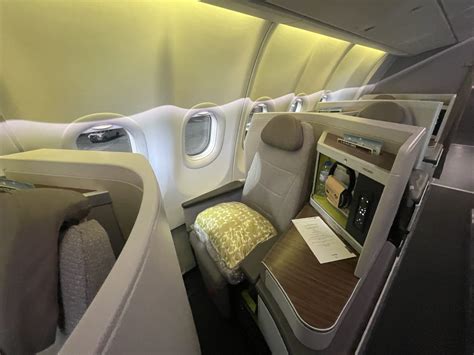
One of TAP’s biggest advantages is how cheaply it prices onward European connections. Travelers heading to Spain, Italy, France, or Morocco often discover that adding a second flight beyond Lisbon barely changes the overall fare. That creates enormous value compared to nonstop competitors charging premium prices for direct service.
The airline also leans heavily into stopover programs, allowing passengers to spend several days in Lisbon or Porto before continuing onward. For many travelers, this effectively transforms a simple connection into a second vacation destination at minimal additional cost.
There are compromises, of course. Cabin consistency varies more than on premium-focused carriers, and some seats feel noticeably tighter than competitors. Yet for travelers primarily interested in sleeping comfortably during overnight flights, TAP remains one of the strongest value propositions in aviation today.
Turkish Airlines Delivers Premium Service At Surprisingly Competitive Prices
Turkish Airlines occupies a fascinating position within the global airline industry. It operates one of the world’s largest international route networks while simultaneously maintaining pricing that frequently undercuts both European and American rivals.
That combination has made it a favorite among experienced travelers searching for affordable long-haul business class tickets.
The airline’s Istanbul hub acts as a giant global transfer point connecting Europe, Asia, Africa, and the Middle East. Because Turkish Airlines competes across such an enormous number of city pairs, it often prices aggressively in order to fill premium cabins and maintain traffic flows through Istanbul Airport.
For passengers willing to accept a connection rather than insist on a nonstop route, the savings can be substantial.
Business class fares commonly fall into the $2,500 to $3,000 range on routes that competing airlines price thousands of dollars higher. The difference becomes especially dramatic for travelers heading toward destinations in Asia, Africa, or Eastern Europe.
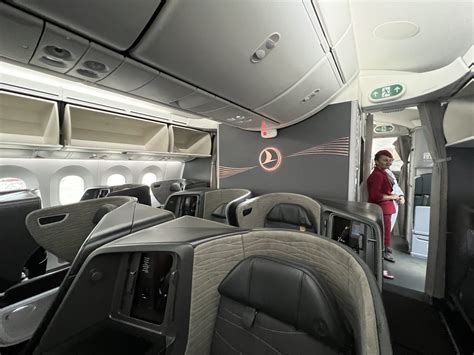
What makes Turkish Airlines particularly compelling is that the onboard experience rarely feels “discount.” The carrier continues to preserve many traditional premium-service elements that other airlines have reduced over time.
Long-haul cabins typically feature fully lie-flat seating, large entertainment screens, quality bedding, and one of the strongest catering reputations in commercial aviation. Turkish Airlines has long invested heavily in onboard dining, and even relatively inexpensive business fares still receive meal service that feels elevated compared to many competitors.
The airline’s newer Boeing 787-9 and Airbus A350 aircraft provide the best overall passenger experience, featuring modern seating layouts with improved privacy. Older Boeing 777 cabins remain comfortable but can feel less spacious and somewhat dated by current industry standards.
Another major advantage lies on the ground. Istanbul Airport has become one of the world’s largest aviation hubs, and Turkish Airlines business class passengers gain access to impressive lounges, fast-track security lanes, and streamlined check-in services that significantly reduce travel stress during long international journeys.
The biggest trade-off involves operational complexity. Connecting itineraries naturally increase the risk of delays or disruptions, and some lower-cost fares involve longer layovers. Still, for travelers focused on balancing comfort and price, Turkish Airlines consistently ranks among the smartest premium-cabin purchases available.
Condor Has Quietly Reinvented Affordable Leisure Business Class
Condor spent years operating in the shadow of larger European airlines, often viewed primarily as a leisure-focused carrier serving vacation routes. That perception has changed dramatically following the airline’s modernization efforts and introduction of updated long-haul cabins.
Today, Condor represents one of the most underrated business class bargains crossing the Atlantic.
The airline targets leisure travelers rather than corporate contracts, which fundamentally shapes its pricing strategy. Instead of relying on high-yield business passengers willing to pay premium rates, Condor focuses on filling aircraft consistently with price-conscious travelers seeking upgraded comfort.
That business model creates unusually attractive premium fares.
Roundtrip business class tickets between North America and Germany frequently appear between $2,200 and $3,400, often significantly below competing nonstop options from larger alliance carriers.
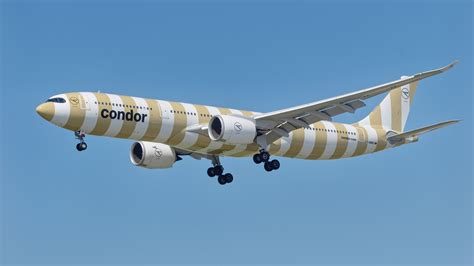
The game-changing factor has been Condor’s Airbus A330-900neo fleet. These aircraft introduced a dramatically more modern cabin experience than many travelers expect from a leisure airline.
Passengers now encounter sleek lie-flat seats, cleaner cabin aesthetics, improved entertainment systems, and upgraded finishes that feel closer to premium international airlines than budget operators. The difference between Condor’s older reputation and its current onboard product is substantial.
Frankfurt remains the airline’s primary gateway, making Condor especially attractive for travelers heading into Germany or connecting deeper into Europe. The carrier performs particularly well during shoulder seasons when demand softens and airlines become more aggressive with pricing.
Unlike some global network airlines, Condor keeps its value proposition refreshingly simple. Travelers are essentially paying for the core premium experience: space, sleep, meals, and reduced airport stress. The airline avoids excessive luxury marketing and instead concentrates on offering practical comfort at a lower cost.
That simplicity works remarkably well for overnight Atlantic crossings.
There are limitations. Flight frequencies remain thinner than larger competitors, reducing flexibility during disruptions. Frequent-flyer benefits and alliance integrations are also less compelling for travelers chasing elite status. Yet for passengers prioritizing actual onboard comfort over loyalty-program optimization, Condor delivers exceptional value.
Qatar Airways Business Lite Fares Create Access To Elite Cabins For Less
At first glance, Qatar Airways seems like an unusual inclusion on any list involving cheap business class tickets. The airline regularly ranks among the world’s most luxurious carriers, and its Qsuite product has earned near-mythical status among aviation enthusiasts.
Yet Qatar Airways has quietly introduced one of the smartest pricing strategies in premium travel through its Business Lite fare structure.
The concept is simple but highly effective. Rather than reducing seat quality or onboard service, the airline strips away selected ground benefits and flexibility options in exchange for substantially lower fares.
Passengers still receive the core premium experience that matters most during long-haul travel: lie-flat seating, premium meals, attentive cabin service, and access to Qatar’s excellent onboard product.
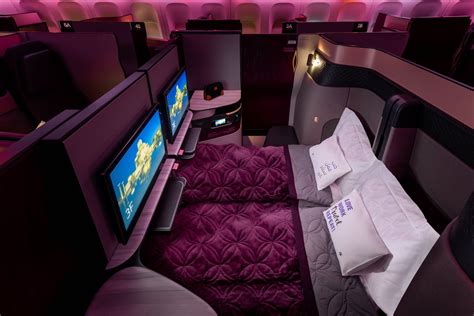
The reductions primarily affect extras such as advance seat selection, lounge access, and change flexibility. For many travelers, especially those already holding lounge memberships through credit cards or elite programs, those sacrifices barely matter.
The savings, however, absolutely do.
Business Lite fares regularly appear between $2,300 and $2,700 on highly competitive long-haul routes connecting Europe, Asia, Africa, and the Middle East through Doha. In some cases, travelers gain access to one of the world’s best business class seats for prices similar to premium economy on competing airlines.
Qatar Airways benefits enormously from Doha’s geographic position. The airline can efficiently connect passengers between continents while maintaining strong competitive pressure against both European and Asian carriers. That network competition often pushes fares downward, particularly on connecting itineraries.
Passengers willing to monitor fare sales carefully can uncover remarkable deals.
The onboard experience remains the major attraction. Qatar Airways continues to deliver polished service standards, quality catering, strong entertainment systems, and modern cabin environments even on discounted fare categories. The airline’s Airbus A350 and Boeing 787 fleets provide especially refined experiences.
Travelers do need to examine fare rules closely. Lite tickets typically impose stricter refund policies and additional fees for seat assignments. Availability can also disappear quickly during peak booking periods.
Still, for travelers prioritizing the actual flight experience rather than airport perks, Qatar Airways Business Lite fares offer one of the most compelling premium travel values currently available.
JetBlue Mint Makes Domestic Business Class Surprisingly Affordable
JetBlue fundamentally disrupted the premium transcontinental market when it introduced Mint service on key U.S. routes. Before Mint arrived, legacy carriers largely controlled premium coast-to-coast travel pricing, often charging enormous fares for outdated seats and inconsistent service.
JetBlue changed the equation almost overnight.
Instead of positioning Mint as an ultra-exclusive luxury product, the airline focused on delivering modern comfort at prices that felt achievable for regular travelers. That strategy forced competitors to respond while simultaneously making lie-flat domestic travel dramatically more accessible.
Routes such as New York to Los Angeles, Boston to San Francisco, and other premium transcontinental sectors became Mint’s core territory. On these flights, passengers frequently discover business-class-style seats priced only modestly above economy fares during off-peak periods.
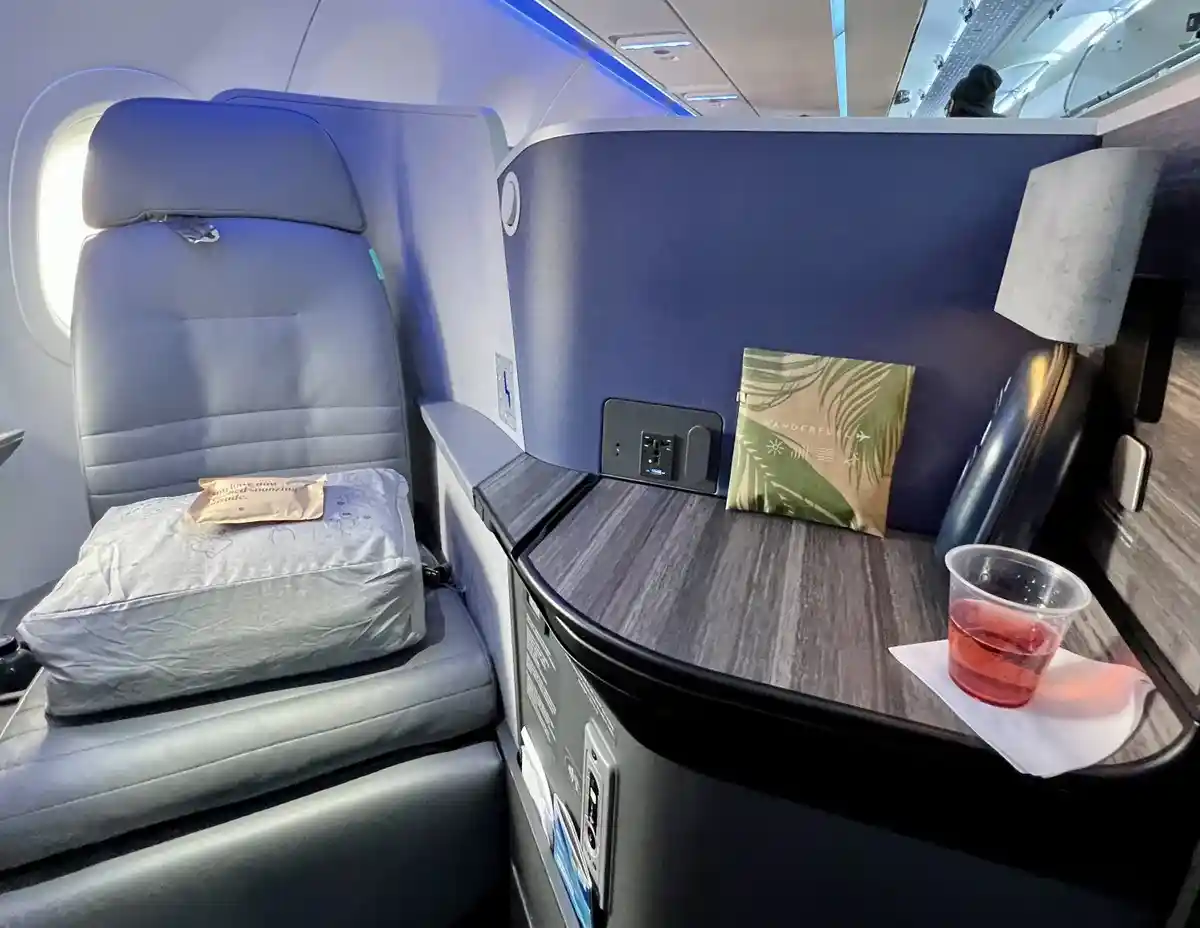
The cabin design itself emphasizes contemporary comfort rather than traditional corporate formality. Mint suites feature lie-flat seating, privacy doors on newer aircraft, upgraded dining, and a clean modern aesthetic that feels refreshingly different from older legacy airline products.
One reason Mint remains affordable is operational focus. JetBlue concentrates the product on specific high-demand routes rather than attempting to replicate an enormous international premium network. That targeted approach allows the airline to compete aggressively where it sees the strongest opportunities.
The Airbus A321LR aircraft operating many Mint routes also contribute to consistency. Unlike some competitors still flying older domestic configurations, JetBlue passengers are far less likely to encounter disappointing recliner seats marketed as premium products.
For travelers seeking the comfort benefits of business class without committing to ultra-long-haul international fares, Mint occupies an extremely attractive middle ground. Overnight coast-to-coast flights become dramatically more tolerable, and daytime flights feel substantially less exhausting.
The smartest strategy for securing low Mint fares involves flexibility. Midweek departures, alternative airports, and off-peak travel windows regularly produce impressive deals. Nonrefundable sale fares can sometimes drop low enough to make Mint feel like one of the biggest bargains in premium aviation.
As airlines continue battling fiercely for premium travelers, opportunities for affordable business class travel are likely to remain stronger than many passengers expect. The key lies in understanding where airlines compete hardest — and knowing which carriers consistently prioritize value over prestige pricing alone.