In 2026, quiet has become one of the most coveted luxuries in premium air travel, redefining how airlines compete in the business-class segment. No longer is comfort measured purely by seat width or gourmet dining; instead, the true differentiator lies in how effectively an airline can create a calm, insulated environment at 35,000 feet. For long-haul travelers, silence is not just a luxury—it is a functional necessity that enables deep sleep, focused work, and genuine recovery during flight.
The modern business-class cabin has evolved into a carefully engineered ecosystem. Every detail—from airframe acoustics and cabin pressurization to seat architecture and lighting design—plays a role in shaping how quiet a journey feels. Aircraft like the Airbus A350 and Boeing 787 have introduced lower cabin noise levels through advanced materials and engine design, but airlines themselves must translate these technical advantages into a cohesive onboard experience.
What distinguishes the quietest business-class cabins in 2026 is not simply low decibel levels, but the perception of silence. Privacy doors, intelligent layouts, reduced cabin traffic, and thoughtful service pacing all contribute to an atmosphere that feels controlled and serene. The following airlines stand out for mastering this delicate balance, delivering cabins that feel less like shared spaces and more like personal sanctuaries.
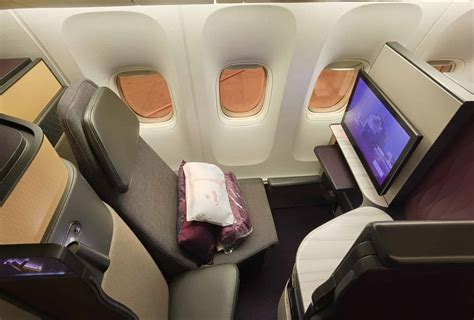
Qatar Airways Qsuite: A Benchmark in Private, Sound-Insulated Travel
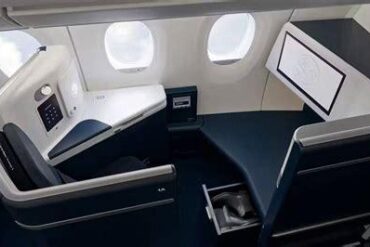
Qatar Airways continues to dominate conversations around premium travel with its Qsuite, a product that redefined business class by introducing true suite-style privacy with doors. Available on the Boeing 777 and Airbus A350, Qsuite is not just a seat—it is a modular environment designed to adapt to individual passenger needs while maintaining a remarkably quiet atmosphere.
The brilliance of Qsuite lies in its ability to control both physical and psychological noise. By enclosing each passenger within a private suite, it effectively eliminates visual distractions and dampens ambient sound from neighboring seats. This creates a cocoon-like experience where external disturbances are minimized, allowing travelers to focus entirely on rest or work.
The flexibility of the layout further enhances this sense of calm. Solo travelers can isolate themselves completely, while couples and groups can configure shared spaces without disrupting the overall cabin harmony. Features such as the “Do Not Disturb” indicator, ambient lighting controls, and generous storage compartments ensure that passengers can tailor their environment precisely to their preferences.
Even years after its introduction, Qsuite remains a gold standard because it was built around a simple but powerful idea: premium travel should feel personal, private, and quiet above all else.
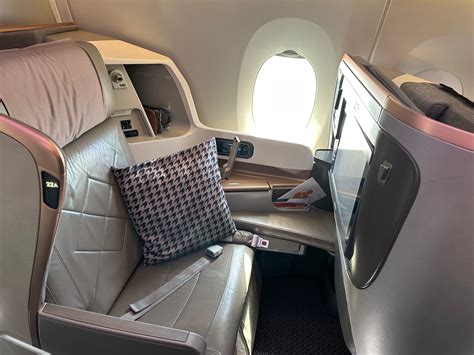
Singapore Airlines Business Class: Open Space Designed for Quiet Comfort
Singapore Airlines takes a different approach to silence, proving that openness and tranquility are not mutually exclusive. Its long-haul business-class cabins on the Airbus A350, Boeing 777, and select Airbus A380 aircraft emphasize spatial harmony and ergonomic comfort rather than full enclosure.
At the heart of this design philosophy is the idea that comfort reduces perceived noise. The airline’s signature seating positions, including the Lazy Z and Sundeck configurations, allow passengers to relax naturally without constant adjustments. This reduces movement within the cabin, contributing to a calmer overall environment.
The absence of doors might suggest less privacy, but Singapore Airlines compensates with careful seat spacing, intelligent layout, and impeccable service flow. Cabin crew interactions are discreet and well-timed, minimizing unnecessary interruptions. The result is a cabin that feels more like a quiet lounge than a busy aircraft interior.
When it is time to sleep, the seat transforms into a fully flat bed with premium bedding, creating a dedicated rest space that feels separate from the active cabin. Combined with soft lighting, muted color palettes, and meticulous organization, the experience becomes deeply soothing.
Singapore Airlines demonstrates that quiet can be achieved through balance and refinement, rather than isolation alone.
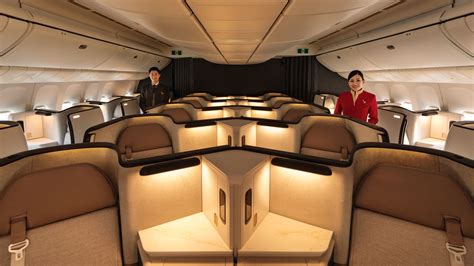
Cathay Pacific Aria Suite: Minimalist Design Meets Acoustic Calm
Cathay Pacific’s Aria Suite represents a new generation of business-class design where quiet is expressed through minimalism and technological integration. Introduced on the Boeing 777-300ER, this suite blends modern features with a restrained aesthetic that prioritizes clarity and calmness.
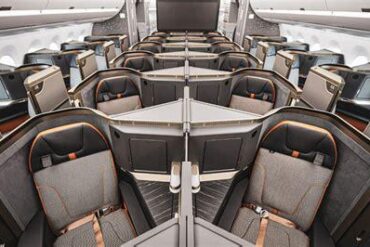
The suite’s wrap-around design and sliding door create a defined personal space, shielding passengers from both noise and visual clutter. Unlike more theatrical designs, the Aria Suite focuses on subtlety. Every element—from customizable ambient lighting to seamless touchscreen controls—is integrated in a way that avoids overstimulation.
Technology plays a crucial role in maintaining this tranquility. The inclusion of Bluetooth audio, wireless charging, and a high-resolution 4K HDR display allows passengers to engage with entertainment without intrusive cables or awkward setups. Storage is thoughtfully arranged, ensuring that personal items remain accessible yet out of sight, preserving a clean and uncluttered environment.
What sets Cathay Pacific apart is its understanding that quiet is as much about design language as it is about sound levels. The Aria Suite feels calm because it eliminates friction—both physical and sensory—creating a space where passengers can settle into a natural rhythm.
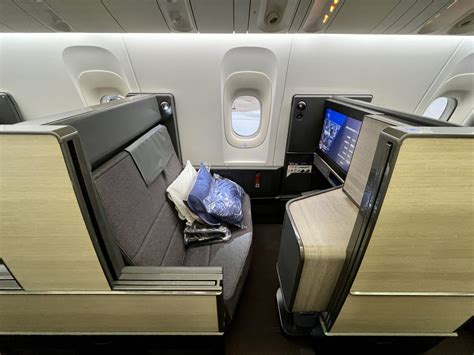
ANA “The Room”: Expansive Space That Redefines Silence
All Nippon Airways has taken a bold approach with its flagship business-class product, “The Room,” transforming the traditional seat into something closer to a private living space. Available on the Boeing 777-300ER and adapted for the Boeing 787-9 as “The Room FX,” this concept prioritizes width, openness, and personal control.
The defining characteristic of The Room is its sheer size. The seat is significantly wider than typical business-class offerings, allowing passengers to move freely without feeling confined. This physical freedom translates into a psychological sense of quiet, as there is less awareness of neighboring passengers and surrounding activity.
Sliding doors and alternating seat orientations further enhance privacy, while large tables and storage areas reduce the need for constant movement. The environment feels stable and grounded, which is particularly valuable on long-haul flights where small irritations can accumulate over time.
On the Boeing 787-9, the inherently quieter airframe amplifies these benefits. The combination of reduced engine noise, improved cabin pressurization, and advanced humidity control creates an atmosphere that is noticeably more comfortable and less fatiguing.
ANA’s approach proves that space itself can be a powerful tool for achieving quiet, offering passengers a level of comfort that borders on residential.
Air France Business Class: Subtle Elegance and Emotional Quiet
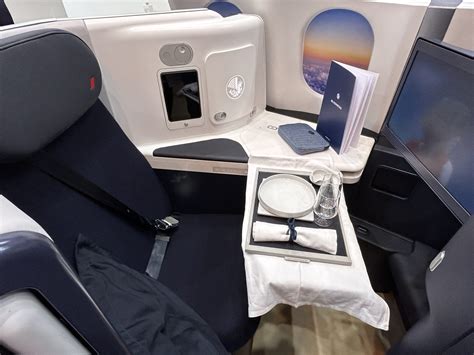
Air France brings a distinctly European perspective to the concept of quiet, focusing on emotional calm and aesthetic refinement. Its latest business-class cabins on the Airbus A350-900 and Boeing 777-300ER are designed to create a harmonious, understated environment that feels effortlessly relaxing.
The introduction of sliding doors adds a layer of privacy, but the real strength of Air France’s product lies in its holistic design approach. Soft color palettes, carefully calibrated lighting, and high-quality materials work together to reduce visual noise, which in turn enhances the perception of acoustic quiet.
The seating itself features improved foam and a fully flat bed, ensuring physical comfort throughout the flight. Paired with noise-canceling headphones and a thoughtfully curated entertainment system, passengers can immerse themselves in a controlled sensory environment.
Air France understands that quiet is not just about eliminating sound—it is about creating a sense of ease and continuity. The cabin feels cohesive, with every element contributing to a seamless experience that encourages relaxation from takeoff to landing.
Why Quiet Cabins Define the Future of Business Class Travel
The emergence of ultra-quiet business-class cabins signals a broader transformation in the aviation industry. As aircraft technology continues to reduce baseline noise levels, airlines are increasingly focused on how passengers experience that silence. The goal is no longer just to transport travelers efficiently, but to ensure they arrive rested, focused, and ready to perform.
Several factors are driving this shift. The rise of ultra-long-haul routes has made in-flight rest more critical than ever, while the growing demand for productivity in transit has elevated the importance of distraction-free environments. At the same time, passengers are becoming more discerning, recognizing that true luxury lies in comfort that feels effortless and unobtrusive.
The airlines leading this evolution are those that understand the interplay between engineering, design, and human psychology. They recognize that a quiet cabin is not achieved through a single feature, but through a series of deliberate choices that collectively shape the passenger experience.
In 2026, the quietest business-class cabins are not defined by extravagance alone. They are defined by intentional design, intelligent technology, and a deep understanding of what travelers truly value. Whether through enclosed suites, open yet balanced layouts, or expansive seating concepts, these airlines have set a new standard—one where silence is not just a feature, but the foundation of premium travel.