Military collectors and history buffs have always shared a fascination with wartime relics, from old maps and combat gear to rare surplus uniforms. But nothing speaks to the power of history more than owning an actual military vehicle. These machines, forged in the crucible of conflict, offer more than just nostalgia—they’re physical links to the battlefield, and yes, some are legal for civilian ownership.
After World War II, veterans began snatching up military motorcycles and Jeeps, planting the seeds of a booming enthusiast community. Today, with the right paperwork and funds, civilians can acquire vehicles once reserved for front-line duty. The following five military vehicles stand out as not only bizarre or unexpected, but also surprisingly accessible to the public.
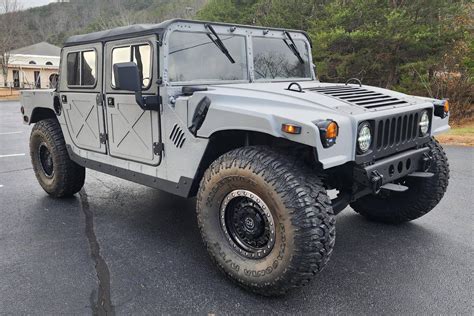
The Original Humvee: Civilian Power Meets Battlefield Toughness
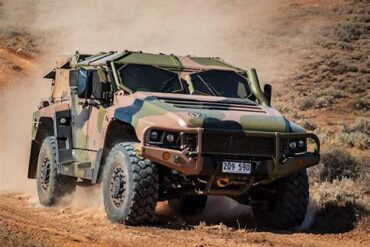
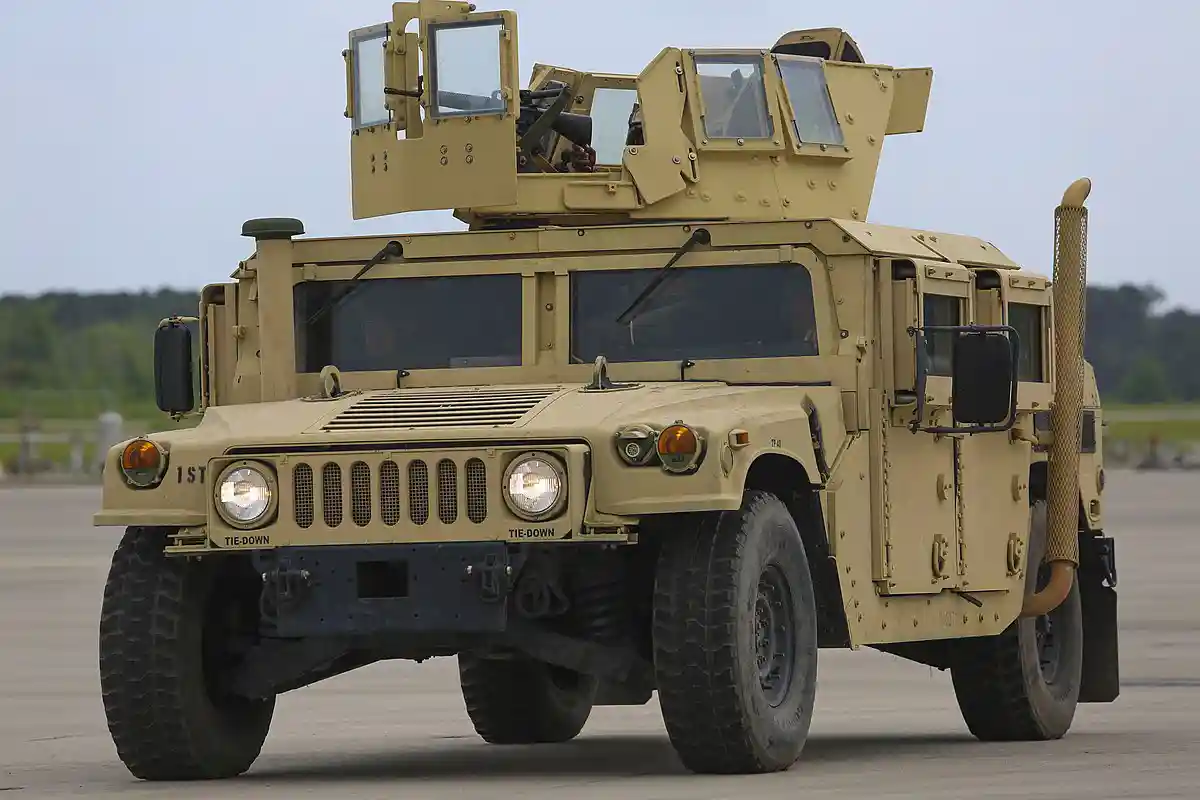
No military vehicle screams post-Vietnam era utility quite like the Humvee. Formally known as the High Mobility Multipurpose Wheeled Vehicle (HMMWV), the Humvee was designed in the early 1980s to replace aging military Jeeps. Its rugged construction, aggressive stance, and modular design gave it an unmatched presence both on and off the battlefield.
First deployed in combat during Operation Just Cause in Panama (1989), the Humvee would go on to become a cornerstone of U.S. military mobility, with over 280,000 units produced across multiple variants. Civilians interested in owning a Humvee can find them through government auctions, with some models starting at just $3,000. Higher-condition models usually cap out around $10,000, making it one of the most accessible military vehicles for private ownership.
Driving one is an experience in itself—think of it as piloting a rolling piece of military history. And with a growing ecosystem of aftermarket parts, you can customize your ride while preserving its historical integrity.
DUKW “Duck” Amphibious Vehicle: From Warfront to Waterfront Tours
The DUKW, affectionately called the “Duck,” was one of the most innovative military solutions of WWII. Born from a General Motors 2.5-ton truck and transformed with a boat hull, propeller, and rudder, the Duck became a vital tool for amphibious operations. It saw heavy use in the Pacific theater and was instrumental during the Normandy landings.
What makes the Duck particularly fascinating is its crossover into civilian tourism. You’ve likely seen one ferrying tourists through rivers and city streets in places like Boston, Dublin, or Singapore. But the original wartime versions weigh over 13,000 pounds and are powered by six-cylinder gasoline engines, demanding mechanical know-how and plenty of storage space.
Owning one isn’t as far-fetched as it seems. Surplus DUKWs are occasionally sold by museums, collectors, or through specialized military auctions. They’re often restored for display or personal recreation, and if you live near water, they make for one seriously unconventional boat.

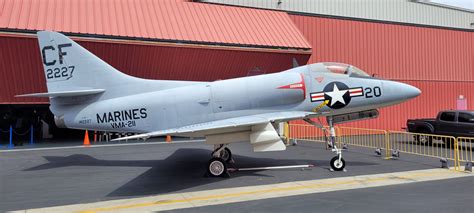
Douglas A-4C Skyhawk: A Supersonic Artifact with a Vietnam Legacy
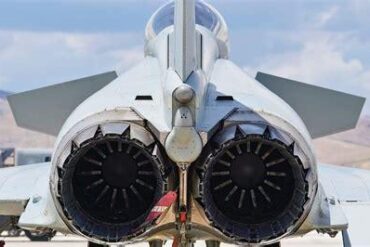
Aircraft ownership is a niche hobby, but the Douglas A-4C Skyhawk elevates that obsession to a whole new level. This nimble, single-seat ground attack aircraft became a symbol of U.S. air power during the Vietnam War, conducting more missions than any other aircraft in the theater. Its compact design and ability to carry nuclear payloads also earned it a legendary status among Cold War-era machines.
Skyhawks were famously flown by the Blue Angels from 1974 to 1986, and John McCain piloted one when he was shot down over Hanoi. Today, decommissioned A-4Cs are occasionally available through private sellers and aviation brokers. However, owning one requires more than just a deep bank account—you’ll need hangar space, special certifications, and a licensed mechanic familiar with vintage jets.
While all military hardware is demilitarized before civilian sale, the Skyhawk remains a head-turner with real flight capability. It’s one of the few jets that offers both historical prestige and the adrenaline of actual flight.
Tucker Sno-Cat: Cold Weather Domination on Tracks
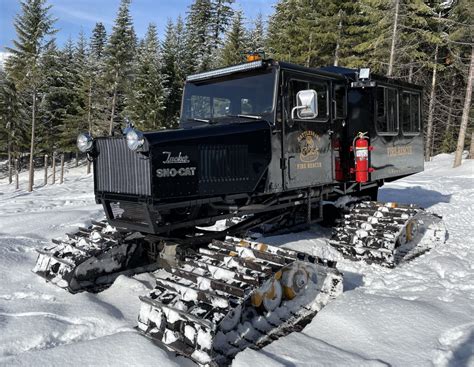
The Tucker Sno-Cat might not carry weapons or fly at Mach speeds, but in snowy warfare, it’s unmatched. Designed for arctic and mountainous terrains, the military edition comes with four independent track systems, allowing it to glide across deep snow, ice, and uneven surfaces with ease.
Tucker Sno-Cats were originally used by the U.S. Marine Corps and in Antarctic exploration. Unlike their two-track civilian siblings, military-grade Sno-Cats feature enhanced durability, weight distribution, and insulation, making them ideal for extreme environments.
Today, surplus Sno-Cats are prized by remote homeowners, ski resort operators, and wilderness rescue teams. Their resale value depends on condition and year, but they typically range from $25,000 to $60,000. For outdoor adventurers or survivalists, it’s a practical vehicle that doubles as a historical collectible.
The M4 Sherman Tank: A Rolling Relic of WWII Might
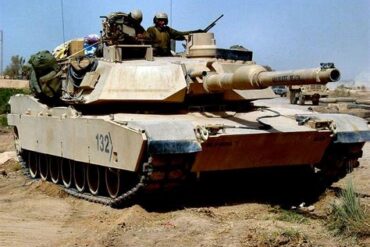
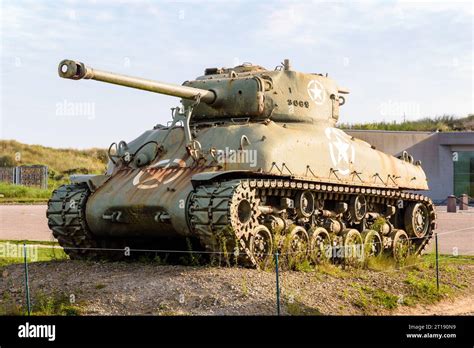
Owning a Sherman tank may sound like something out of a Hollywood fantasy, but for collectors with enough patience—and money—it’s absolutely possible. As the backbone of the Allied tank fleet in WWII, over 50,000 Sherman tanks were produced. They played decisive roles from North Africa to the European front, and many were distributed to Allied nations via Lend-Lease agreements.
The M4 is as legendary as it is massive. Weighing approximately 33 tons, it comes with a Ford GAA V8 engine, and even decommissioned, it’s still armed to the teeth (though the weapon systems are permanently disabled). Civilians can own one legally in the U.S., assuming the cannon has been rendered inoperable and the vehicle is properly registered.
Prices are steep—$400,000 to $800,000, depending on restoration and functionality. And that’s before considering the cost of transportation, maintenance, and storage. Still, for collectors looking to make the ultimate historical investment, nothing beats a Sherman in the driveway.
Civilian Ownership: Legality, Logistics, and Legacy
Bringing a military vehicle into civilian hands involves more than a transaction—it’s a commitment to preservation. Most former military equipment is sold only after being thoroughly demilitarized. Firearms are removed or disabled, communications gear is stripped, and armor plating may be modified to meet public safety standards. Yet despite these changes, the essence of each vehicle remains intact.
Acquisition channels include:
- GovPlanet and IronPlanet: Government surplus auction platforms.
- Private sellers and restorers: Often specialists in military hardware.
- Museums and historical societies: Sometimes liquidating surplus inventory or redundant displays.
In addition to acquisition, state laws differ dramatically when it comes to registration, road legality, and operational use. Some states allow street use of certain surplus vehicles like Humvees and Sno-Cats, while others strictly limit their movement to private land or events.
However, there’s no denying the emotional and cultural resonance of these machines. They aren’t just mechanical curiosities—they are living history, with steel and rubber serving as tangible proof of past conflict and innovation.
Final Thoughts: History in Your Garage
For those who appreciate mechanical excellence and historical weight, owning a former military vehicle is an unmatched experience. Whether it’s the raw utility of a Humvee, the amphibious prowess of a Duck, the airworthy ambition of a Skyhawk, the snow-traversing capability of a Sno-Cat, or the battlefield glory of a Sherman, these machines each carry a story worth preserving.
They turn heads, spark conversations, and invite deeper understanding of military evolution. But above all, they offer a bridge between the present and the past—one you can drive, float, or even fly.