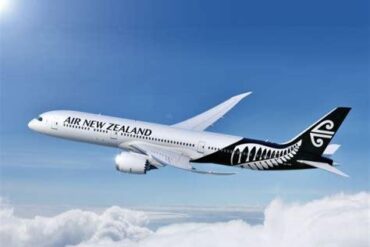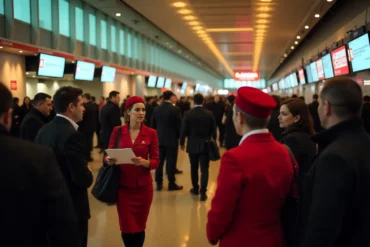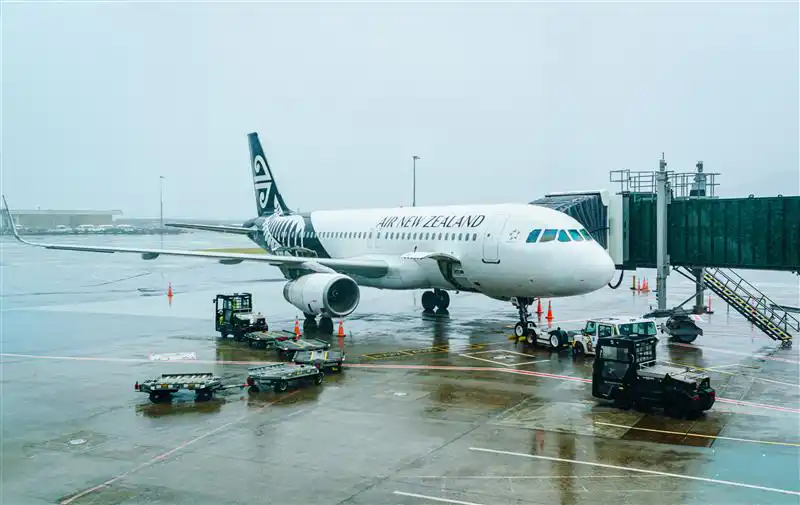
After months of unresolved negotiations and growing unrest among staff, Air New Zealand is bracing for a major disruption as more than 1,250 cabin crew members prepare to strike on December 8, escalating a contentious pay dispute that has cast a spotlight on worker conditions within the airline.
The industrial action—organised by E tū, the union representing the cabin crew—will span the international, domestic, and regional operations of the carrier. It involves three separate strikes under three collective agreements, effectively covering the entire operational network. The strike notice was formally delivered on Friday, and the company has since acknowledged the potential for widespread disruption.
A Growing Divide: Crew Fatigue, Pay Demands, and Eroding Trust
The heart of the dispute centers on what union members describe as a disconnect between executive expectations and frontline realities. Crew members argue that the airline’s latest pay proposal fails to recognise the complexity, pressure, and fatigue risks inherent in their roles. These conditions, they say, have been exacerbated post-COVID, with leaner rosters and tighter turnaround times becoming the norm.
One anonymous crew member voiced a sentiment that appears increasingly common within the workforce: “We’re being asked to trade away hard-won conditions just to receive a pay rise that merely matches inflation. That’s not a fair deal.” The crew member further described a deteriorating sense of morale, stating that “crew feel disconnected from management, undervalued, and ignored.”
This erosion of trust comes despite years in which crew have been lauded for their resilience and professionalism—particularly during the pandemic, when travel restrictions and changing health protocols created constant operational uncertainty.
Management Response: Reassurances Without Resolution
Air New Zealand CEO Nikhil Ravishankar responded publicly, stating that while the company respects the right to strike, efforts will be made to minimise disruptions for customers. This includes rebooking affected passengers and offering meals, refreshments, or accommodation if needed.
“We will do everything we can to get customers to their destination as soon as possible while keeping them informed throughout their journey,” Ravishankar said.
However, such reassurances do little to address the core grievances of the cabin crew. Union representatives have criticized the company’s stance as insufficient and dismissive, particularly given the financial and emotional strain crew have endured during and after the COVID-19 crisis.
Union’s Demands: Fairness, Safety, and Recognition
Rachel Mackintosh, national secretary for E tū, issued a pointed reminder of the sacrifices and commitment shown by the crew during the most volatile period in aviation history. According to Mackintosh, what the members are asking for is not excessive, but rather a baseline recognition of their responsibilities and contributions.
“Cabin crew have gone above and beyond for Air New Zealand and for the travelling public,” she said. “If the company wants to reach a settlement, they need to make real changes to their position. Our members are seeking a fair deal that reflects their skill, responsibility, and the vital safety role they play every day.”
Negotiations are scheduled to continue in the week leading up to the strike, but insiders suggest that unless the airline significantly adjusts its offer, December 8 will mark one of the most visible displays of discontent in Air New Zealand’s recent history.
Implications for Passengers and the Brand
The looming strike poses not only logistical challenges but also a potential public relations crisis for Air New Zealand. As the busy holiday travel season begins to ramp up, disruptions could lead to customer dissatisfaction and reputational damage. More importantly, the strike reveals underlying systemic tensions that could further impact staff retention, workplace culture, and service quality in the months ahead.
For an airline that frequently promotes its crew as the heart of its brand, resolving this dispute is about more than cost-efficiency—it’s a litmus test for how genuinely it values its people.