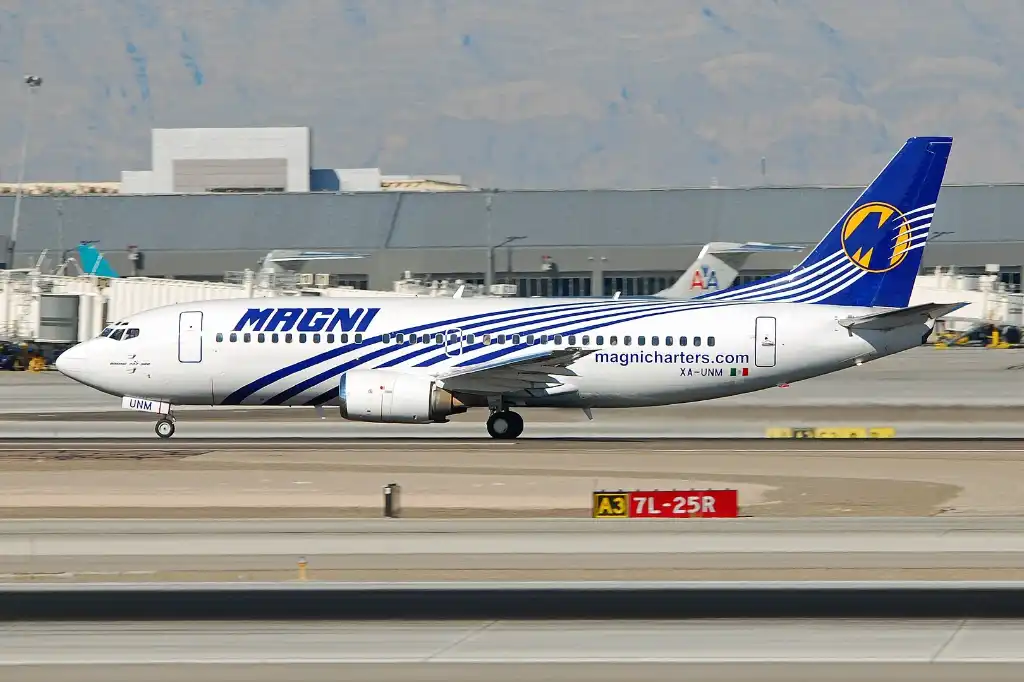
A chilling moment unfolded in the heart of Latin America’s busiest aviation hub when a Boeing 737 captain from MagniCharters initiated a cockpit standoff, prompting a hijacking-level security response. The shocking event threw a spotlight on airline labor unrest, sparking debate across the aviation industry and passenger advocacy groups.
Cockpit Chaos: Pilot Refuses to Fly Over Unpaid Wages
It was an ordinary Friday afternoon at Mexico City International Airport (Benito Juárez International) when passengers boarding MagniCharters Flight UJ780 were met with an extraordinary and unsettling announcement. As the Boeing 737 prepared for departure, the captain took to the intercom, informing passengers he would not fly until the airline paid him what he claimed were several months of overdue wages.
Footage rapidly surfaced on social media, capturing the pilot’s declaration and the passengers’ bewilderment. Reports indicate the incident began at approximately 3:00 PM local time, with the pilot locking himself inside the cockpit shortly after his address to passengers.
The Claims: Five Months Without Pay & Sudden Termination
The pilot alleged that MagniCharters had failed to pay him for up to five months—an accusation that, if true, points to deep-rooted financial instability within the airline. Some outlets, including Infobae and The Cancun Sun, reported that the pilot had also been abruptly terminated just before the flight. Rather than stepping aside, he staged a one-man protest, choosing to hold the cockpit hostage as leverage to demand his final paycheck.
This extreme move—echoing the tone of a hijacking event—triggered immediate concern from authorities, especially in a region where airline safety is an ongoing regulatory focus.
Federal Forces Step In: Navy Called to Calm the Storm
Realizing the gravity of the situation, the airport quickly escalated the matter. The Mexican Navy, along with other federal agencies, was dispatched to the aircraft. Trained crisis negotiators approached the locked cockpit with caution, negotiating directly with the captain.
After tense deliberations, authorities successfully de-escalated the confrontation, removing the pilot from the aircraft without injury or harm to the passengers. Although no formal charges were filed immediately, aviation and legal experts are closely watching the fallout.
Airline Under Scrutiny: Who Is MagniCharters?
The standoff has placed MagniCharters under an unforgiving spotlight. Officially registered as Grupo Aereo Monterrey S.A. de C.V., the airline is based in Mexico City and primarily operates leisure and charter flights catering to tourists, especially between Mexico City and Cancun.
Established in 1994 by the Bojórquez family, MagniCharters began as a dedicated service for the Magnitur travel agency. Over the years, the carrier has added both seasonal and year-round domestic routes and international destinations including Cuba (Havana, Varadero) and the Dominican Republic (Punta Cana). At one point, it also offered service to U.S. cities like Las Vegas and Dallas/Fort Worth.
Despite its bold expansion plans, including a $2.5 million fleet growth initiative in 2014, the airline now faces serious questions about its financial stability, labor relations, and fleet maintenance practices.
Aging Aircraft, Lean Operations: Inside MagniCharters’ Fleet
MagniCharters operates a fleet that could be described as anything but modern. According to aviation database ch-aviation, the airline runs three Boeing 737-300s, each over 30 years old:
- XA-VCE – Configured for 122 passengers, delivered in 2018 (ex-Southwest N631SW)
- XA-VDM – Seats 143, delivered in 2019 (ex-Southwest N607SW)
- XA-VCI – Seats 143, delivered in 2019 (ex-Southwest N605SW)
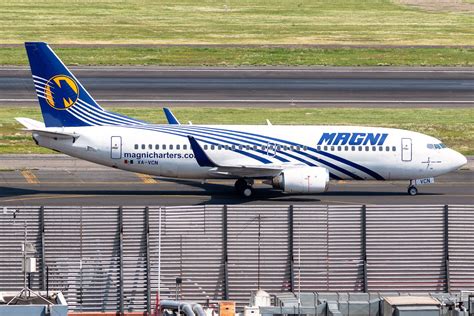
These aircraft require intensive upkeep and significant investment—something MagniCharters appears to be struggling with. Allegations of delayed payments, both to staff and creditors, have been whispered for years in aviation circles, but this cockpit standoff dragged them into the public eye with full force.
Safety Perception at Stake: Passengers Lose Trust
Passenger confidence in MagniCharters took a nosedive following the incident. For those on board UJ780, the moment was more than inconvenient—it was a frightening display of instability within the cockpit, the very symbol of control and safety.
“It felt like we were part of something out of a movie,” one passenger posted on X (formerly Twitter), recounting how they feared the situation might escalate into a full hijacking event. Despite the fact that no weapons or violence were involved, the hijack-level response from authorities underscored how serious the potential threat was considered.
The psychological impact on passengers, especially those with young children or connecting international flights, cannot be underestimated. Airline reputation damage—both domestically and internationally—is now a significant consequence for MagniCharters.
Airline Labor Unrest: A Broader Issue in Latin America
The MagniCharters standoff is not an isolated case of labor tension in Latin American aviation. Airlines operating under tight margins often resort to cost-cutting strategies that affect pilot pay, maintenance schedules, and customer service quality.
Labor unions have repeatedly flagged concerns about unpaid wages, excessive flying hours, and contract terminations without due process. As the region’s aviation market tries to recover from the effects of the pandemic, many low-cost and charter carriers remain under pressure to scale operations without adequately investing in human capital.
This crisis reveals not just an individual pilot’s desperation, but a systemic issue within charter airlines that prioritize volume over value, pushing operational teams to the brink.
Legal Fallout: What Happens Next for the Pilot?
Although the pilot was removed peacefully, his fate remains unclear. He could face multiple legal consequences, including:
- Federal aviation violations for interfering with scheduled operations
- Security breach charges if authorities deem his actions endangered passengers
- Civil litigation from passengers or the airline for delays and reputational damage
At the same time, if his claims of non-payment are verified, labor courts may consider his actions a form of protected protest, opening a complex legal debate around whistleblower protection, union rights, and ethical boundaries.
Regulatory Oversight Tightens: Government Eyes on Charter Airlines
Following the incident, Mexico’s Federal Civil Aviation Agency (AFAC) and the Ministry of Communications and Transportation have pledged to review financial compliance and employee treatment at MagniCharters. These agencies may demand:
- Full documentation of wage payments and staff contracts
- Aircraft maintenance logs to verify airworthiness of the aging fleet
- Enhanced passenger compensation policies in the event of similar disruptions
Such oversight could affect other low-cost operators in Mexico who are walking a fine line between profit and regulatory compliance.
Public Reaction and Industry Implications
Social media erupted in response to the viral videos, with many voicing support for the pilot. “If he hasn’t been paid for months, he did what he had to do,” one user commented. Others condemned the action, highlighting how it endangered passengers and disrupted trust in airline security.
Meanwhile, the aviation industry is forced to reckon with hard questions:
- Are charter airlines cutting corners at the expense of flight crews?
- How can authorities ensure that financial disputes don’t spill into the cockpit?
- Should there be stricter protocols for pre-flight crew clearance in the wake of personnel disputes?
MagniCharters, for its part, has remained tight-lipped, issuing only a brief statement that the matter is under investigation. They did not confirm or deny the pilot’s employment status or wage claim.
Conclusion: A Flight That Never Took Off, But Sparked Turbulence Across the Skies
This cockpit standoff will likely be studied for years to come as a case of individual rebellion against corporate neglect. It embodies a growing tension between pilots and operators in resource-constrained regions, especially in the charter and leisure travel segment.
As investigations unfold and authorities untangle fact from speculation, one thing is clear: MagniCharters will need more than damage control to restore its credibility. The broader airline community must also take note—when cockpit doors become battlegrounds, aviation safety is no longer just about engines and airspeed, but ethics and equity.