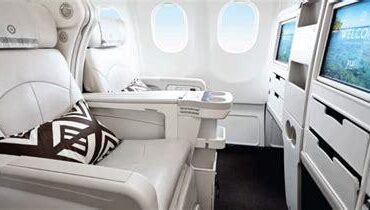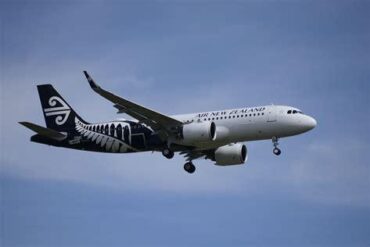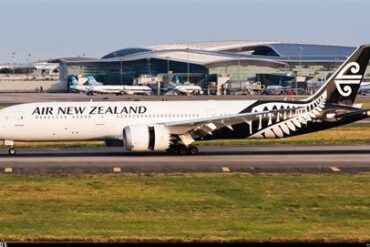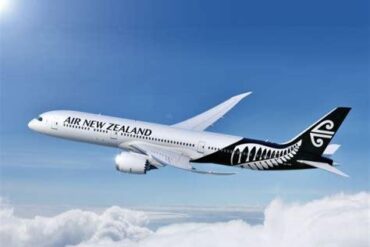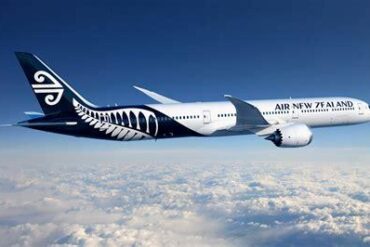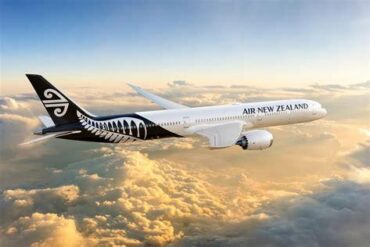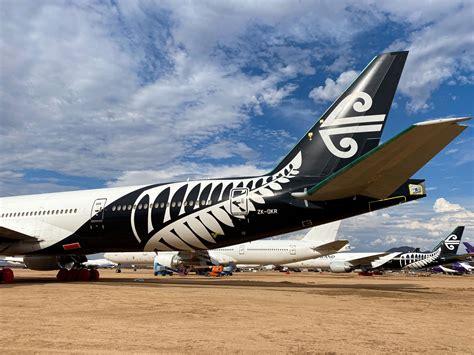
Air New Zealand has taken a transformative step toward inclusive air travel with the launch of a pioneering programme designed to reduce anxiety for neurodivergent children and their families. In partnership with Autism New Zealand and Acorn Neurodiversity, the airline has delivered an immersive, full-scale flight familiarisation experience to prepare passengers before ever leaving the ground. This initiative reflects the airline’s commitment to accessibility, empathy, and community-driven innovation, reinforcing its role as a leader in socially conscious aviation.
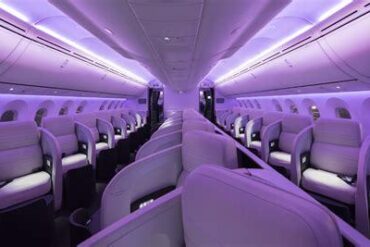
Held on Saturday, 7 June, the simulation took place within Air New Zealand’s state-of-the-art training facility, recreating key stages of the air travel journey. Participants moved through a low-stress version of airport check-in, security screening, boarding, and in-cabin procedures — each phase tailored to be calming and predictable. For many neurodivergent travelers, these otherwise routine checkpoints can feel overwhelming, confusing, or even distressing. By deconstructing these moments into manageable, rehearsed steps, the airline aims to build confidence and reduce travel-related fear.
Flight Familiarisation: A Grounded Yet Empowering Journey
Rather than waiting for discomfort to occur during actual flights, Air New Zealand has taken a proactive, empathy-first approach. Families were guided through the experience by staff trained in neurodivergent support, offering patient, step-by-step explanations. Importantly, the environment was curated to minimize sensory overload — with reduced noise, gentle lighting, and longer transition times between activities. This attention to detail was instrumental in enabling participants to feel safe, seen, and respected.
The experience underscores how environmental predictability can change perceptions. When neurodivergent individuals know what to expect, they can focus on adapting rather than coping. For caregivers, witnessing their child or family member successfully navigate the steps of travel without distress brought immense relief and renewed confidence in their ability to consider real travel.
The Enable Network: Inclusion Driven From Within
The initiative was developed by Air New Zealand’s Enable Network, an internal support body composed of employees who either live with disabilities or care for someone who does. At the helm of this effort was Ed Collett, Senior Aircraft Programme Manager and Enable Network Lead, who brought both professional and personal insight to the table.
“As the father of a young adult with autism,” said Collett, “I know firsthand how lonely and overwhelming air travel sometimes feels. That’s why I’m incredibly proud to support Air New Zealand in offering trial flights for neurodiverse children and their families. These experiences do more than simulate travel — they build confidence, reduce fear, and help remove the invisible barriers that too often limit opportunity.”
Collett also highlighted how the programme extended beyond passenger support. It became a lesson in empathy for airline staff, many of whom reported a deeper appreciation for the nuances of neurodivergent experiences. From subtle changes in tone to increased patience during boarding, the training reshaped how employees approach service.
Autism New Zealand: Turning Possibility Into Practice
The partnership with Autism New Zealand was foundational to the programme’s success. Dane Dougan, Chief Executive of the organisation, praised the experience as far more than a dry run. “For many families in our community, flying can feel like an impossible task. This experience gave them the tools, the time, and the space to make it possible,” Dougan explained. “We’re proud to work with Air New Zealand to bring understanding and accessibility into the heart of the travel journey.”
The power of such simulations lies not only in creating a safe space, but in bridging the gap between anxiety and action. For families that have long avoided flying due to uncertainty or fear of judgment, this opportunity offered a rare sense of readiness and hope. By working alongside specialists and individuals with lived experience, the airline moved beyond symbolic gestures to design an initiative that was meaningful and highly functional.
Acorn Neurodiversity: Co-Design That Centers Lived Experience
Integral to the programme’s design was the guidance of Acorn Neurodiversity, an organisation rooted in the values of equity, authenticity, and neurodiverse-led innovation. Chief Executive Tami Harris lauded the initiative as a model for co-design done right.
“This is what co-design looks like,” said Harris. “This initiative was shaped with lived experience at the centre. It’s a reminder that inclusion isn’t about grand gestures, but meaningful, thoughtful changes that make people feel safe, welcome, and understood.”
Harris emphasized the importance of consulting neurodivergent individuals during planning rather than retrofitting accessibility after the fact. This foundational perspective not only informed environmental adjustments but also shaped the communication, language, and tone used by staff throughout the experience.
Empathy in Action: An Industry Template for Inclusive Travel
Air New Zealand’s flight familiarisation programme is a bold reimagining of what accessibility in aviation can look like. It acknowledges that inclusion is not a check-box compliance measure, but a living, evolving dialogue between service providers and the communities they serve. By hosting this experience before passengers ever reach the airport, the airline is removing barriers at the root, rather than responding to issues mid-flight.
The airline’s internal and external collaborations demonstrate the potential of cross-sector partnerships in building empathetic infrastructure. From the Enable Network’s ground-level insight to Acorn and Autism New Zealand’s advocacy, every element was designed not just for neurodivergent people, but with them.
This programme is not a one-off. Air New Zealand has committed to ongoing work with community partners, with the goal of continually refining and expanding inclusive practices. Future plans may include:
- Customised pre-flight materials in multiple formats (visual stories, tactile guides)
- Onboard sensory-friendly kits
- Additional trial flights in regional hubs
- Training modules for all frontline staff
These enhancements will set a new standard for how airlines can meet the diverse needs of their passengers — not as a courtesy, but as a central tenet of quality service.
A Broader Shift in Aviation’s Approach to Accessibility
This initiative by Air New Zealand is part of a growing global recognition that travel must evolve to accommodate a broader spectrum of human needs. Neurodivergent travelers represent a significant portion of the global population, yet until recently, their needs have largely been overlooked in mainstream travel design.
By addressing these challenges head-on, Air New Zealand is sending a clear message to the aviation industry: accessibility is not a niche add-on, but a core responsibility. As more airlines look to replicate or adapt this model, the ripple effect could catalyse a much-needed paradigm shift — from reactive compliance to proactive inclusion.
Inclusion, when done thoughtfully and authentically, enriches the travel experience for everyone. It cultivates more patient staff, more informed travellers, and a deeper sense of connection between airlines and the communities they serve. Air New Zealand’s efforts reflect not just leadership, but humanity — and for many neurodivergent families, that can make all the difference.